DNA Barcodes Show California Has More Than 60,000 Insect Species
A study in Ecography used DNA barcoding on over one million insects and estimates California has more than 60,000 species, many still unnamed.
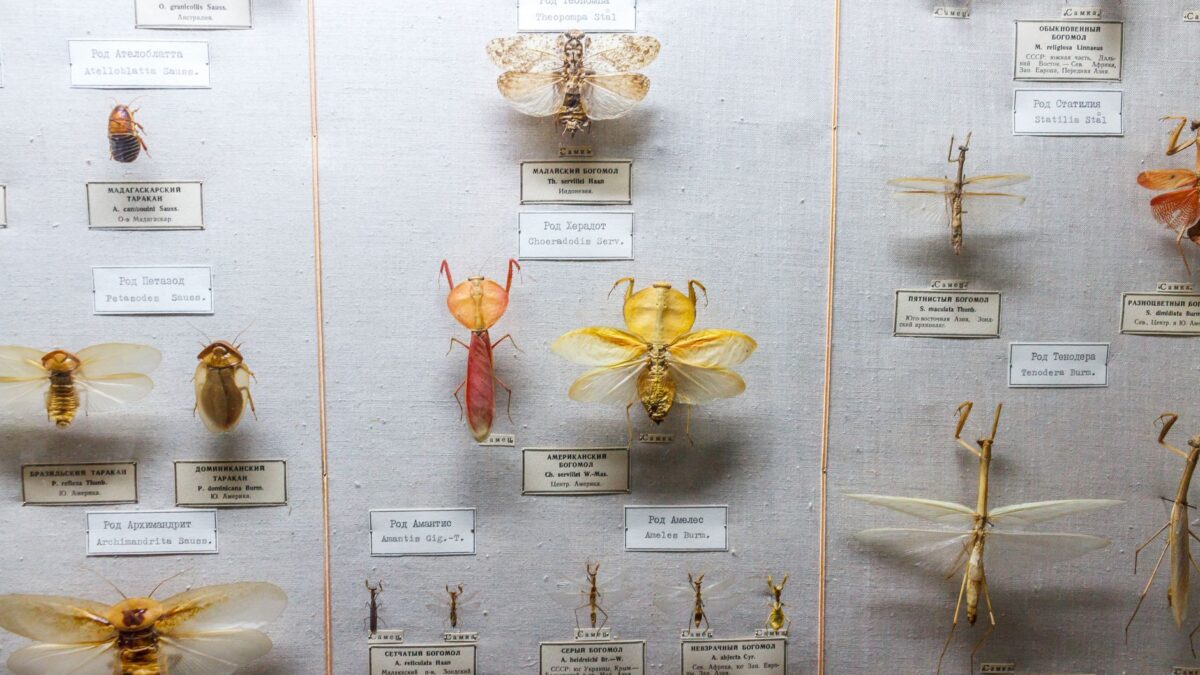
California supports more than 60,000 insect species, far above earlier estimates, according to a new study in the journal Ecography reported by SciTechDaily. Scientists have formally described only about two-thirds of them, which leaves thousands of species without a name.
The work was led by researchers at the Natural History Museum of Los Angeles County. It also found that almost every place sampled had its own distinct community of insects, so protecting the state’s insect life will take many different habitats.
How researchers counted the insects
The study is the first publication from the California Insect Barcode Initiative (CIBI), a $6 million project that aims to collect and identify every insect species in the state. Insects are the most varied group of land animals, yet they are underrepresented in large conservation assessments.
The team used DNA barcoding on more than one million specimens. The method compares short stretches of DNA to tell species apart, which helps when species are hard to separate by appearance alone.
Specimens came from three sources. Researchers took tissue samples from museum collections, placed Malaise traps (passive traps that catch flying insects) across 72 ecoregions, and visited 454 additional locations on collecting trips. Partners included the California Department of Food and Agriculture, UC Berkeley, UC Riverside, the San Diego Natural History Museum and the California Academy of Sciences.
Volunteers kept the traps running
Malaise traps catch insects without anyone present, but emptying and maintaining them takes steady work. Volunteers handled much of that. “This is an example of community science,” said study co-author Giar-Ann Kung, the museum’s entomology collections manager. She said weekly sampling would not have been possible without them.
Some volunteers kept sites going for years. Kung named Sara Fairchild and Michael Nance, who managed a trap in the high desert for more than three years, the project’s longest continuous site.
Every region has its own insects
To see how diversity varies, the team compared ecoregions, areas the Environmental Protection Agency groups by shared ecosystem traits. They used its Level 3 classes, among them the Mojave Basin and Range, the Southern California Mountains and the Sierra Nevada. The Mojave Basin and Range had the most insect species.
Similar environments share some patterns. Co-author Megan Barkdull said the deserts resemble each other and the mountains of northern California resemble each other somewhat, but every part of the state has a very different insect fauna. Even collecting sites within a single ecoregion held distinct communities.
What it means for conservation
Because similar climates and landscapes can still host different species, no single protected area can stand in for the whole state, the researchers’ findings suggest. SciTechDaily reports that conserving California’s insects will call for protecting a wide range of habitats.
Where to find the study
The paper is titled “DNA barcoding of more than one million insect specimens indicates that at least one third of California’s insect biodiversity remains undiscovered.” It was published Nov. 4 in Ecography, with the DOI 10.1002/ecog.08572, and its authors include Austin J. Baker and Brian V. Brown.
Source: SciTechDaily