Stopping Statins After 70: 12.7% vs 9.2% Had Heart Attack, Stroke or Death
A trial of 1,880 adults over 70 found stopping statins safe for about two years, but more heart attacks, strokes and deaths over up to four years.
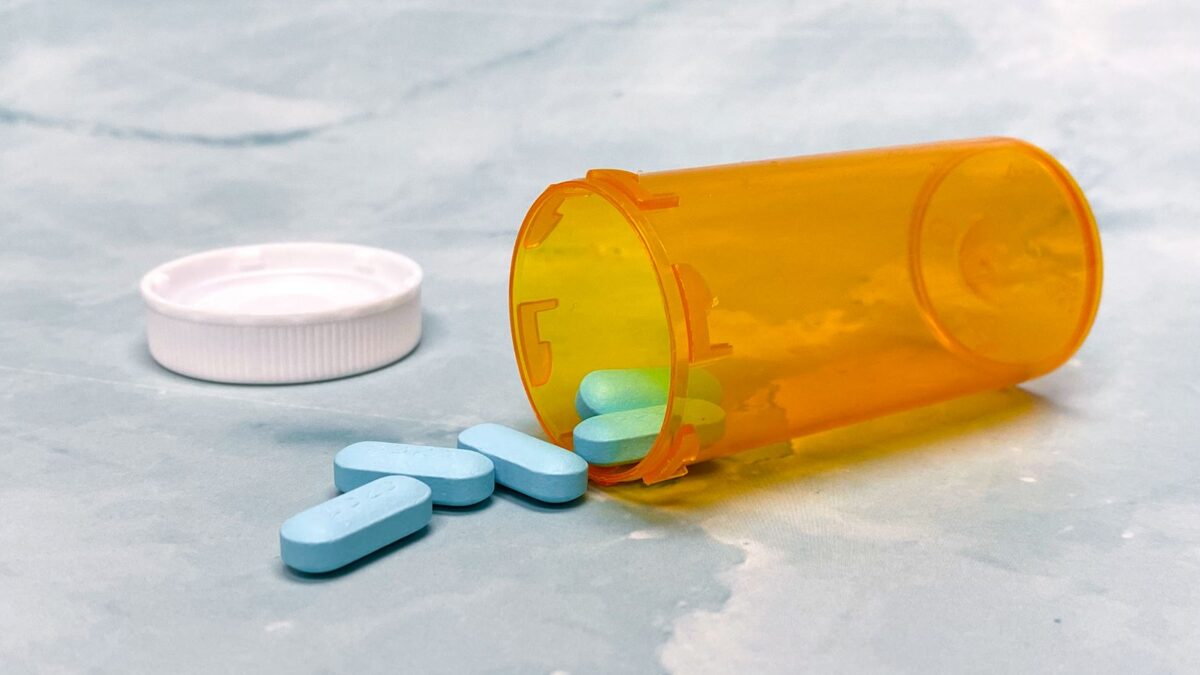
Adults 70 and older who stopped taking statins had a heart attack, stroke or died at a rate of 12.7% over up to four years, compared with 9.2% of those who kept taking the drugs, according to a trial of 1,880 people presented at the American Heart Association’s Scientific Sessions 2026 in Chicago. Over the first two years or so, the gap was small and not statistically significant.
The study is preliminary: it was presented at a conference held Nov. 6 through 9 and has not been described as published in a peer-reviewed journal. Its lead author says it does not support a blanket rule on stopping the drugs.
Who was in the trial
All participants were taking statins for primary prevention, meaning to avoid a first heart attack or stroke. Anyone with established cardiovascular disease or a past cardiovascular event was excluded. Each person also had at least two chronic conditions, such as a history of cancer or lung disease. The average age was 77, and the group was 53% men and 47% women.
Researchers ran the trial between November 2021 and April 2026 at 24 medical centers in Switzerland, France and the Netherlands. They assigned 938 people to stop their statin and 942 to continue it. The team tracked heart attacks, acute ischemic strokes (strokes caused by a blocked artery) and deaths from any cause, and surveyed participants on quality of life, muscle pain, falls and sarcopenia, the age-related loss of muscle.
What the two-year and four-year results showed
After about two years, the group that stopped statins did not have a statistically significant rise in heart attacks, strokes or deaths. The numbers still leaned one way: roughly one extra cardiovascular event for every 40 people who stopped treatment.
Stopping did not bring the benefits some patients hope for. Quality of life, muscle discomfort, falls and muscle wasting were similar in both groups.
The longer follow-up, up to four years, showed the clearer difference of 12.7% against 9.2%. Study author Rita F. Redberg, a professor of cardiology at the University of California, San Francisco School of Medicine, said this higher rate is a new finding in research on stopping statins in older adults. She suggested earlier studies may have missed it because they were smaller and shorter.
Limits of the study
About 14% of participants did not stay in their assigned group. Some told to stop later went back on statins, and some told to continue quit. The researchers ran several extra statistical analyses to check whether this switching changed the outcome, and the results held.
The findings come from conference materials released by the American Heart Association. No journal or DOI was given, and the work had not gone through full peer review at the time of the presentation.
Why it matters for older adults on statins
Statins lower low-density lipoprotein cholesterol (LDL-C), the “bad cholesterol” that can build up in arteries, restrict blood flow and lead to heart attacks and strokes. An estimated 25% of American adults have high LDL-C, and preventive statin use is part of the American Heart Association’s 2026 joint guideline on dyslipidemia, the medical term for unhealthy blood fat levels.
How much the drugs help people in their 70s and beyond who have never had a heart attack or stroke has been less clear. Redberg said a few earlier studies found no difference in deaths after stopping, and one suggested quality of life improved.
She said the small rise in risk means “one cannot make a general recommendation” about stopping. She called for shared decision-making between patients and their health care professionals, while saying that discontinuation is generally safe for most people in this age group without a prior cardiovascular event.
Source: ScienceDaily