Do You Lose Most Body Heat Through Your Head? Myth Explained
No. The head is roughly 9 percent of an adult's skin area and loses about that share of heat. Why the myth stuck and how to dress for cold weather.
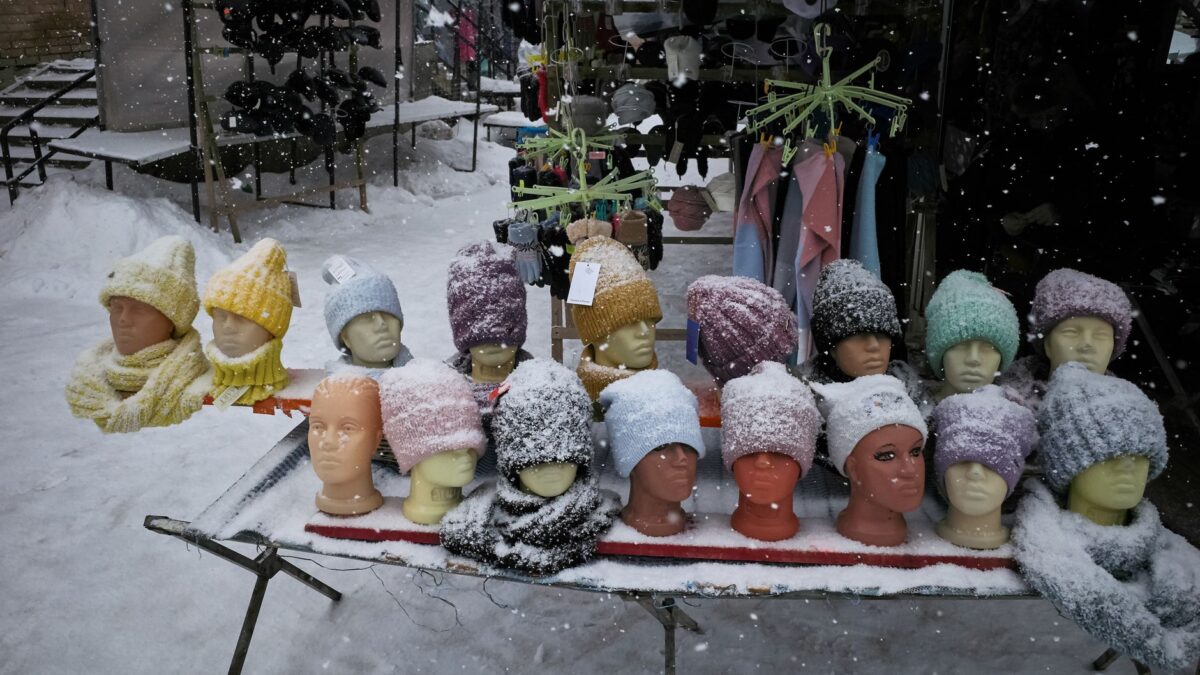
No. An uncovered head loses heat roughly in proportion to its size, which is about 9 percent of an adult’s skin area, so it accounts for a similar small share of total heat loss. Any other bare part of the body of the same size would lose about as much. The claim that 40 to 50 percent of body heat escapes through the head is a myth.
A hat still helps on a cold day, but it helps for the same reason a pair of gloves or a scarf does: it covers skin that would otherwise be exposed.
Where does the “most heat through the head” idea come from?
The figure traces back to old cold-weather experiments in which volunteers wore insulated survival suits that covered everything except the head. With the rest of the body sealed in insulation, the bare head was the only place heat could easily escape, so it appeared to lose a huge share. The result was then repeated as a general fact about human bodies.
Later work that compared covered and uncovered body parts, including a head versus the same area elsewhere, found that the head loses heat at about the rate its surface area predicts. The number only looked large because everything else was wrapped up.
How does the body actually lose heat?
The body loses heat in four ways: radiation, conduction, convection and evaporation. Most of the loss in cold air is radiation and convection from exposed skin, plus evaporation from sweat and breathing.
- Radiation: warm skin gives off infrared heat to cooler surroundings, even without touching anything.
- Conduction: heat flows straight into anything cold that touches you, such as wet ground or cold metal. Water pulls heat from the body much faster than air at the same temperature.
- Convection: moving air or water carries away the thin warm layer next to the skin. This is why wind makes cold feel colder. The site’s article on how wind chill is calculated explains that effect in detail.
- Evaporation: sweat and moisture in the breath take heat with them as they turn to vapor.
Skin area, insulation, wind and wetness decide how fast heat leaves. Which body part is exposed matters far less.
Is the head different from the rest of the body at all?
Slightly, yes. The head and face have a rich blood supply near the surface, and the scalp and face stay well supplied with blood even in the cold, while blood flow to hands and feet narrows to save heat for the core. Skin on the hands, feet and limbs tightens its blood vessels when it is cold, which cuts heat loss from those areas. The face and scalp respond less, so an uncovered head can lose a little more heat per square inch than a covered, narrowed-vessel arm or leg.
That difference is modest. It does not turn the head into a chimney, and it does not change the basic arithmetic of surface area. Faces and ears are also among the first places to suffer frostbite, which is a separate reason to cover them in freezing weather.
What does the body do when it is losing heat?
The brain keeps core temperature near 98.6°F (37°C) by narrowing skin blood vessels, making you shiver and prompting you to put on clothes or move indoors. Shivering is the body burning energy in rapid muscle contractions to make heat. A fever works through a similar thermostat adjustment, described in the piece on why we get a fever.
When heat loss outruns heat production, core temperature falls. Hypothermia is generally defined as a core temperature below 95°F (35°C). Early signs include intense shivering, clumsiness, slurred speech and confusion. Shivering can stop as the condition worsens, which is a danger sign. Hypothermia is an emergency: call emergency services, move the person out of the cold, remove wet clothing and wrap them in dry layers. The Centers for Disease Control and Prevention publishes guidance on cold-weather illness and injury.
How should you dress to stay warm?
Cover as much skin as you can and keep the layers dry. The following points are standard cold-weather advice.
- Wear several thin layers instead of one thick one. Trapped air between layers insulates.
- Choose a wicking inner layer, an insulating middle layer and a windproof, water-resistant outer layer.
- Cover the head, ears, hands and feet. Fingers, toes, ears and the nose are the parts most prone to frostbite.
- Change out of damp clothing quickly. Wet fabric conducts heat away far faster than dry fabric.
- Stay out of the wind where possible, since moving air strips heat from the skin.
- Do not rely on alcohol to feel warmer. It widens skin blood vessels and increases heat loss.
Infants, older adults and people with some medical conditions lose heat more easily and should be watched closely in cold conditions. A doctor can give advice for individual health situations.
Quick answers
Is it a myth that you lose 40 to 50 percent of your heat through your head?
Yes. Measurements that compare equal areas of covered and uncovered skin show the head loses heat in line with its size, around 9 percent of the body surface for an adult.
Does a hat still matter in winter?
Yes. A bare head is exposed skin, and covering it cuts heat loss and protects ears from frostbite. The same applies to gloves and a scarf.
Why does the head feel so cold in winter?
The face and scalp have many temperature-sensitive nerve endings and stay well supplied with blood, so cold air registers quickly there. The sensation is stronger than the actual share of heat lost.
Does heat leave the body the way a heat pump moves it?
Not in the same way. A heat pump uses a refrigerant cycle to move heat against its natural direction, as shown in the article on how heat pumps make heat from cold air. Bodies lose heat by simple flow from warm to cold.