Does Turkey Make You Sleepy? What Tryptophan Really Does in the Body
Turkey does not make you sleepy on its own: its tryptophan level is similar to other meats. What tryptophan does and why big holiday meals bring on naps.
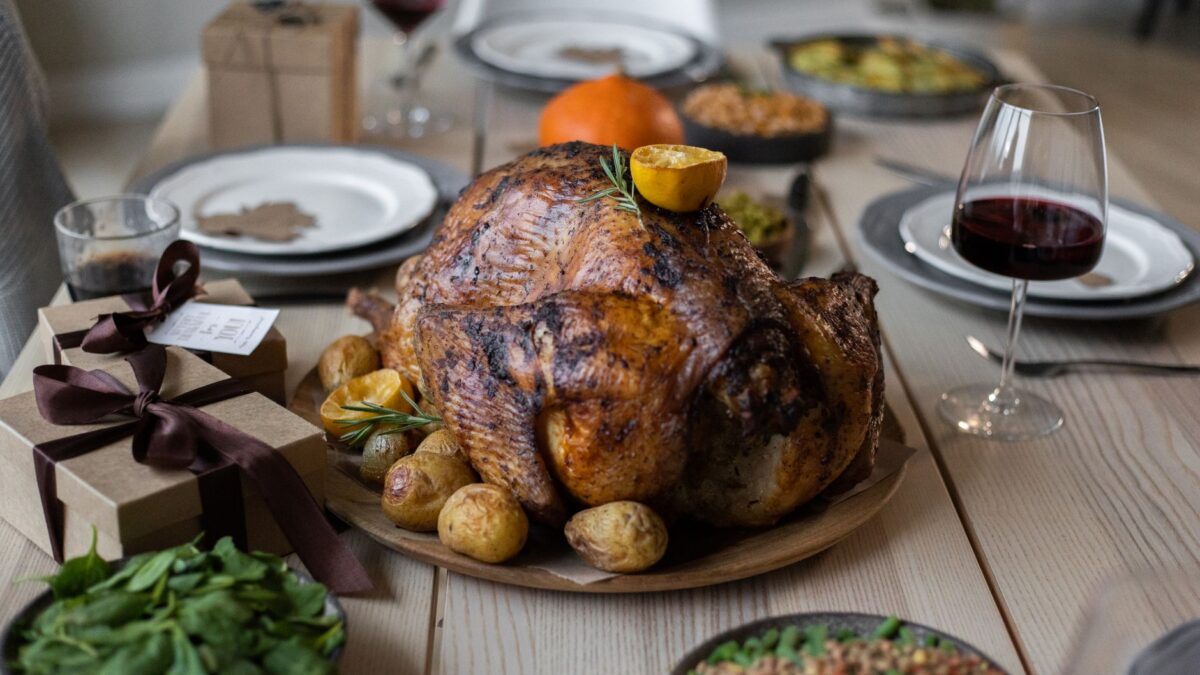
Turkey does not make you sleepy any more than chicken, beef or cheese would. Turkey does contain tryptophan, an amino acid the body uses to make serotonin and melatonin, but in amounts similar to other common protein foods, and eating it does not send a meaningful extra dose of tryptophan to the brain. The drowsiness after a holiday dinner comes mostly from the size of the meal, the carbohydrates and alcohol that come with it, and the late nights and travel around the holiday.
What is tryptophan?
Tryptophan is one of the essential amino acids, the building blocks of protein that the human body cannot make and has to get from food. Almost any food with protein contains some. Poultry, meat, fish, eggs, milk, cheese, soy, nuts and seeds are all ordinary sources.
The body uses tryptophan in several ways:
- To build proteins, like every other amino acid.
- To make serotonin, a chemical messenger involved in mood, appetite and digestion.
- To make melatonin, the hormone that helps time the sleep and wake cycle. Melatonin is made from serotonin, mainly at night.
- To make niacin (vitamin B3), part of which the body can produce from tryptophan.
The link to serotonin and melatonin is the source of the turkey myth. The chain from a slice of turkey to a sleepy brain breaks down at the next step.
Why doesn’t the tryptophan in turkey reach the brain?
Tryptophan has to compete with other amino acids to get into the brain, and a protein-rich meal brings plenty of competitors. To cross the blood-brain barrier, the protective filter around the brain, tryptophan uses the same transport system as several other large amino acids, such as leucine, valine and tyrosine. Turkey contains all of them, and most of them in larger amounts than tryptophan.
So when you eat turkey, blood levels of tryptophan rise, but so do the levels of the amino acids it competes with. The share of tryptophan that gets into the brain stays about the same. This is why protein-heavy meals in general are not known as sleep aids, even though they all contain tryptophan.
Turkey is also a bird, and birds are living dinosaurs; paleontologists recently described a turkey-sized “hell chicken” that may have been the first fruit-eating dinosaur. None of that history adds anything sleep-inducing to the meat.
Why do people feel sleepy after Thanksgiving dinner?
A very large meal is the main reason. Feeling drowsy after eating has a name, postprandial somnolence, and it happens after big meals of all kinds. Several things add up on a holiday:
- Meal size. A holiday dinner is often far larger than a normal meal, and digesting it takes time and shifts how the body regulates energy and alertness.
- Carbohydrates. Stuffing, potatoes, rolls, pie and sweet drinks raise blood sugar and insulin. Insulin moves many amino acids into muscle but leaves more tryptophan in the blood, which can raise the share that reaches the brain. Here the carbohydrates matter more than the turkey.
- Alcohol. Wine, beer and cocktails are sedatives and make drowsiness stronger.
- Timing. Many families eat in the early to mid afternoon, close to the natural dip in alertness that most people feel after lunch.
- Sleep debt. Travel, cooking, early starts and late nights before the holiday leave many people short on sleep, and a calm afternoon on the couch lets that tiredness show.
Does turkey have more tryptophan than other foods?
No, turkey has roughly as much tryptophan as chicken and is in the same general range as other meats. Some foods, including certain cheeses, soy products and seeds, contain as much or more by weight. If turkey caused sleepiness through tryptophan, a chicken sandwich or a plate of cheese would do the same, and they do not have that reputation.
For nutrition data on specific foods, the USDA National Agricultural Library points to the government’s food composition databases.
Can tryptophan or melatonin supplements help you sleep?
Tryptophan taken as a supplement acts differently from tryptophan in food, because it arrives without the competing amino acids from a full meal. Research on whether it improves sleep has given mixed results, and supplements are regulated less strictly than medicines in the United States. In the late 1980s, an outbreak of a serious illness called eosinophilia-myalgia syndrome was linked to contaminated L-tryptophan supplements, and sales were restricted for years afterward.
Melatonin supplements are a separate product, and they also carry questions about dose and quality. Anyone thinking about either supplement, especially people who take antidepressants or other medicines that affect serotonin, should talk to a doctor or pharmacist first. MedlinePlus, run by the National Library of Medicine, has plain-language information on both.
How can you avoid the post-dinner slump?
The factors that cause the slump are the ones that can be changed: portion size, alcohol and sleep. Eating moderate portions, spreading food over a longer time, drinking water alongside any alcohol, taking a short walk after the meal and getting enough sleep in the days before the holiday all reduce the after-dinner crash. Skipping the turkey will not.
If you do nap, a short nap is less likely to leave you groggy than a long one. People who feel unusually exhausted after ordinary meals, not just after feasts, should mention it to a doctor, since it can have medical causes worth checking.
Quick answers
Is turkey higher in tryptophan than chicken?
Not in any way that matters. Turkey and chicken contain similar amounts, and both are ordinary protein sources.
Does warm milk before bed work because of tryptophan?
The tryptophan in a glass of milk is small and faces the same competition from other amino acids. Any calming effect is more likely to come from the bedtime routine itself.
Why does the myth persist?
Tryptophan really is used to make serotonin and melatonin, and Thanksgiving really does make people sleepy. Turkey is the most famous food on the table, so it took the blame for the whole meal.
Is it safe to eat turkey leftovers the next day?
Yes, if they were refrigerated within about two hours of cooking and reheated thoroughly. The USDA Food Safety and Inspection Service publishes guidance on storing and reheating leftovers.