How Animals Survive Winter: Hibernation, Torpor and Brumation
Animals survive winter by hibernating, dropping into torpor or brumating. How each works, which animals use it and how bears, bats and turtles differ.
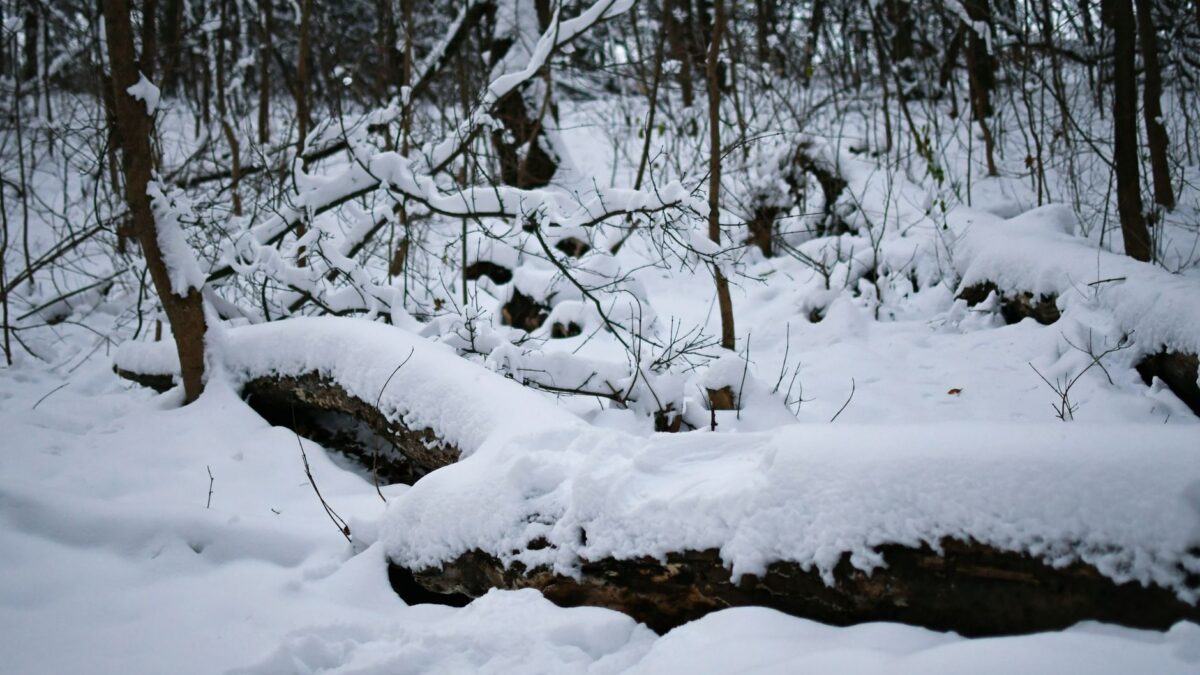
Animals survive winter in three main ways that save energy: hibernation, torpor and brumation. Hibernation is a deep, weeks-long drop in body temperature, heart rate and metabolism used by mammals such as ground squirrels, woodchucks and many bats. Torpor is the same kind of shutdown kept short, often a single night, while brumation is the winter slowdown of cold-blooded reptiles, whose body temperature follows the air, water or soil around them.
All three solve one problem. In winter, food gets scarce at the same moment a warm body needs more fuel to stay warm, so many animals cut their energy use until spring.
What happens to an animal’s body during hibernation?
A hibernating mammal lowers its body temperature, slows its heartbeat and breathing, and reduces its metabolism to a small fraction of the normal rate. A ground squirrel in deep hibernation can feel cold to the touch and breathe only a few times a minute. The arctic ground squirrel goes furthest: its body temperature can fall slightly below freezing, around 27°F (-3°C), without its tissues freezing.
Hibernation needs preparation. In late summer and fall, hibernators eat heavily and build fat stores, and that fat is what they live on through the winter. Some species, such as chipmunks, store seeds in their burrows and wake to eat them.
Hibernation is not one unbroken sleep. Most small hibernators rouse every week or few weeks, warm up to normal temperature for less than a day, then sink back down. Biologists still debate why these arousals happen, but they are costly: warming up again burns a large share of the fat an animal spends all winter.
- Common true hibernators: ground squirrels, woodchucks (groundhogs), marmots, jumping mice and many cave bats.
- Places they use: underground burrows below the frost line, caves and mines with steady temperatures, hollow trees.
- Main fuel: fat stored before winter, sometimes topped up from food caches.
Do bears really hibernate?
Yes. Most biologists now count bears as hibernators, although bears do it differently from small mammals. A black bear’s body temperature drops only a few degrees, while its metabolism falls sharply. Bears can go for months in the den without eating, drinking, urinating or defecating. Their bodies recycle the waste that would normally leave in urine, and they lose fat while keeping most of their muscle.
Because their temperature stays fairly high, bears can wake quickly if disturbed. Females give birth in the den during winter and nurse the cubs there until spring. The National Park Service advises visitors to stay well away from any den, since a roused bear burns energy it cannot replace.
What is torpor, and how is it different from hibernation?
Torpor is a short, controlled drop in body temperature and metabolism, usually lasting hours rather than weeks. Hibernation is a long series of torpor bouts strung together over a season, so the two differ mainly in length.
Hummingbirds are the classic example. On cold nights they can enter torpor and cut their energy use sharply, then warm themselves at dawn. Black-capped chickadees lower their body temperature on winter nights to stretch their fat reserves until morning. Many mice and bats use daily torpor too. The common poorwill, a bird of the western US, can stay torpid for days or weeks at a time, the closest any bird is known to come to hibernation. Torpor also shows up in the wider story of how animals sleep and rest, where it sits at the far end of the scale.
What is brumation in reptiles?
Brumation is the winter dormancy of reptiles such as snakes, turtles and lizards. Reptiles do not make their own body heat, so when the weather cools their temperature drops with it, and they become slow and stop feeding. They retreat to a sheltered spot and wait.
Brumation differs from mammal hibernation in a few ways:
- Reptiles do not pay for a warm body, so they have no heating cost to save. The cold itself slows them down.
- Brumating reptiles often stay lightly active. Some move on mild days, and many need to drink.
- Snakes often gather in shared dens, sometimes in large numbers, using rock crevices or old burrows that stay above freezing.
- Many aquatic turtles spend winter at the bottom of ponds under ice, taking in small amounts of oxygen from the water through their skin and other body surfaces.
Pet reptiles kept indoors may slow down in winter as well. Whether a pet tortoise or turtle should brumate depends on the species and its health, so owners should ask a reptile veterinarian before letting temperatures drop.
How do frogs and insects survive freezing?
Some amphibians and insects survive winter by tolerating ice. The wood frog of North America can freeze for much of the winter: ice forms in the spaces around its cells, its heart stops and it stops breathing. Its liver floods the cells with glucose, which works as an antifreeze and keeps the cells themselves from freezing. When the weather warms, the frog thaws and starts moving again.
Many insects take a different route and avoid freezing altogether. They clear out water that could seed ice crystals and load their bodies with substances such as glycerol that lower the freezing point. Others pass the winter as eggs or pupae, a stage that needs no food.
Which animals stay active all winter instead?
Plenty of animals never shut down. They rely on other strategies:
- Migration: many birds, some bats and monarch butterflies travel to warmer places. Their routefinding is covered in how animals navigate with magnetic maps and sun compasses.
- Food caching: red squirrels, jays and nutcrackers store seeds and nuts in fall and find them again months later.
- Insulation: deer, foxes and many birds grow thicker winter coats or fluff their feathers to trap warm air.
- Huddling and shelter: small birds crowd into tree cavities, and voles and shrews tunnel under the snow, where temperatures stay steadier than in the open air.
- Shivering: many birds and mammals make extra heat by shivering, which burns food fast.
Why does disturbing a hibernating animal cause harm?
Waking a hibernator forces it to spend fat it needs to last until spring. Bats are especially at risk. A bat roused by people entering a cave can burn through days of its winter fat, and it has no insects to eat until warm weather returns.
White-nose syndrome, a fungal disease of hibernating bats in North America, makes this worse. The fungus grows on bats’ skin and causes them to wake more often, so they use up their fat early. The disease has killed millions of bats. The US Fish and Wildlife Service leads the national response and asks people to respect cave and mine closures.
Quick answers
Does hibernation help animals live longer?
Among small mammals, species that hibernate tend to live longer than similar-sized species that do not, and some bats live for decades. Long lifespans across the animal kingdom are covered in the longest-living animals and how scientists know their ages.
Do animals sleep during hibernation?
Hibernation is a different state from sleep. Brain activity in deep hibernation is very low, and some researchers think arousals partly let animals catch up on real sleep.
What triggers hibernation?
Shorter days, falling temperatures and dwindling food act as signals, together with internal yearly rhythms. Some ground squirrels enter hibernation on schedule even when kept warm and fed.
Is brumation the same as hibernation?
No. Brumation is the reptile version of winter dormancy, driven mainly by cold, while hibernation is a controlled drop in body temperature by warm-blooded mammals.