Birds of Prey Left 8,000 Roman-Era Frog Bones in an English Ditch
Owls and harriers likely ate the frogs whose 8,000 bones filled a Roman-era ditch in Cambridgeshire. How scientists worked it out and what remains unclear.
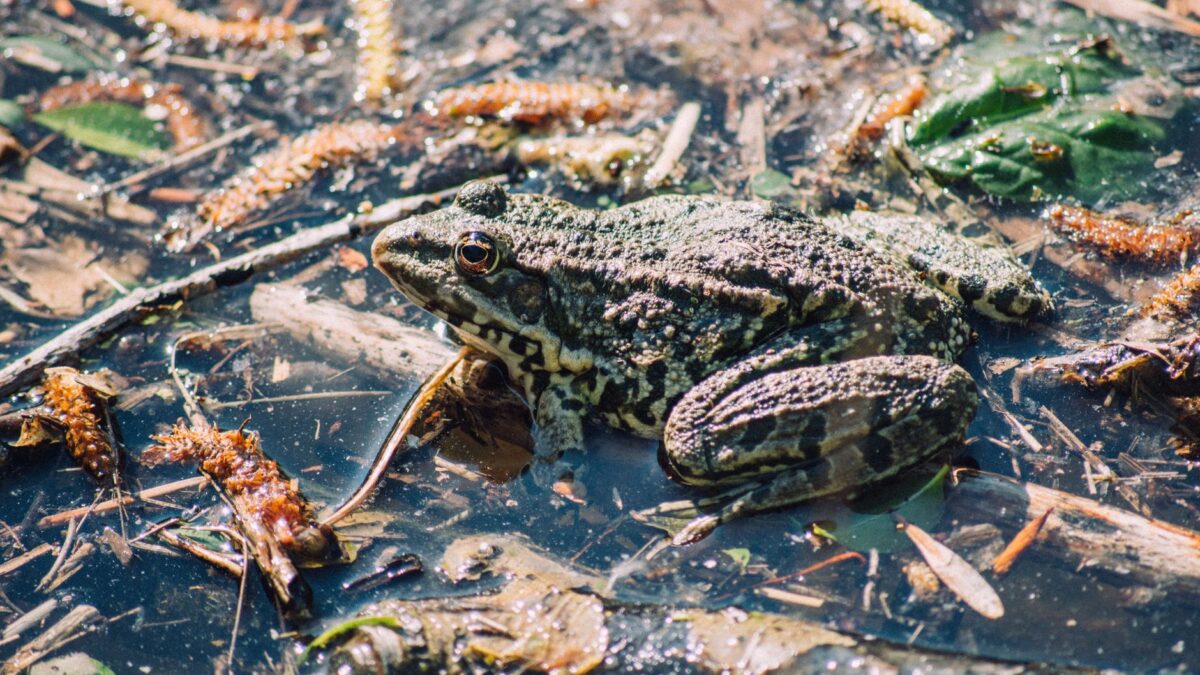
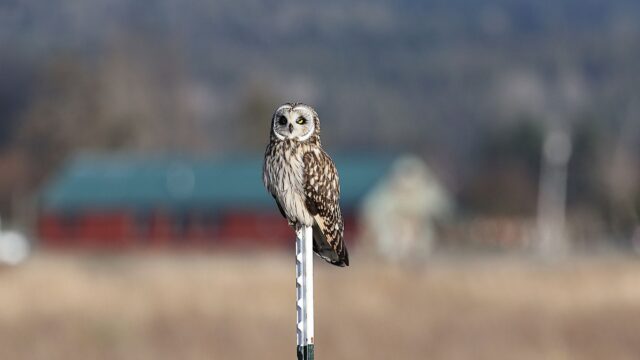
About 8,000 amphibian bones found in one ditch in Cambridgeshire, England, were most likely left by birds of prey that gorged on young frogs some 1,700 years ago, according to a study in the journal Environmental Archaeology reported by Smithsonian Magazine. The researchers point to medium-sized hunters such as short-eared owls and hen harriers, feeding during what the paper calls a “short, intensive predation event” in the second or third century C.E., when Britain was under Roman rule.
The finding settles a puzzle from excavations along a planned section of the A14 highway between Cambridge and Huntingdon. From 2016 to 2022, that work recovered more than 280,000 artifacts covering roughly 12,000 years of the region’s past. The frog-filled gully came from the Bar Hill site.
How the team read the frog bones
The study was led by Vicki Ewens, a senior zooarchaeologist at the Museum of London Archaeology (MOLA), and Paul Clarkson, an archaeologist at Bournemouth University. To work out how old the frogs were when they died, the team measured the distal humerus, the lower end of the upper arm bone. Clarkson and several co-authors had described this aging method in a 2025 paper.
Many of the frogs died in their first or second year. The deaths appear to cluster between autumn and the following spring, probably along the routes frogs took to and from their hibernation sites. Most bones came from frogs and toads, mainly common frogs, though shrews, voles and mice were mixed in. In total the remains represent at least 469 individual animals.
Clues on the bones pointed to the culprits. Based on how the bones broke and on signs of digestion, the authors ruled out otters, gray herons and grass snakes, all regular frog eaters. Bones that were lightly digested and mostly unbroken fit better with medium-sized birds such as short-eared owls.
A drying marsh and missing trees
The site sits in the Fens, a marshy wetland. According to the paper, water levels there dropped during the Roman period, and frogs in shrinking ponds bred faster. People had also cut down nearby trees to open land for grazing animals, which left the frogs with little cover from hunters overhead. The glut of frogs likely drew local and migrating predators, which also took other prey in the area, including voles, birds and fish.
Earlier explanations had included frogs falling into the gully and getting stuck, frogs freezing during hibernation, or people eating them. The lack of cut marks on the bones made a human meal unlikely.
A date pushed later by radiocarbon
Archaeologists first read the gully as part of an Iron Age roundhouse inside an enclosure. Britain’s Iron Age began around 750 B.C.E. and ended with the Roman invasion in 43 C.E. Radiocarbon dating of the bones moved the event several hundred years later, into the Roman era.
What it means for the people nearby
The study also says something about the humans who lived there. The researchers considered whether people dumped the bones on purpose, but the only hint of that was a Roman-era brooch found among the remains. The authors argue the feeding happened because people stayed away. Short-eared owls roost only in quiet places, so visitors, especially with dogs, must have been rare.
Why locals avoided this spot in autumn and winter is still unknown. The scientists consider seasonal movement of livestock the most likely reason and say social or ritual causes are also possible.
“We don’t often get an owl’s eye view of what it was like in the past,” Clarkson said in a statement. Ewens said the work shows that even the smallest animals found at a site can reveal past environments and how people used the wider area.
Source: Smithsonian Magazine