Florida Swamp Mushroom Makes Both Psilocybin and Deadly Toxins
A small brown Florida mushroom, Galerina indica, is the first known to make both psilocybin and amatoxins, University of Florida researchers report.
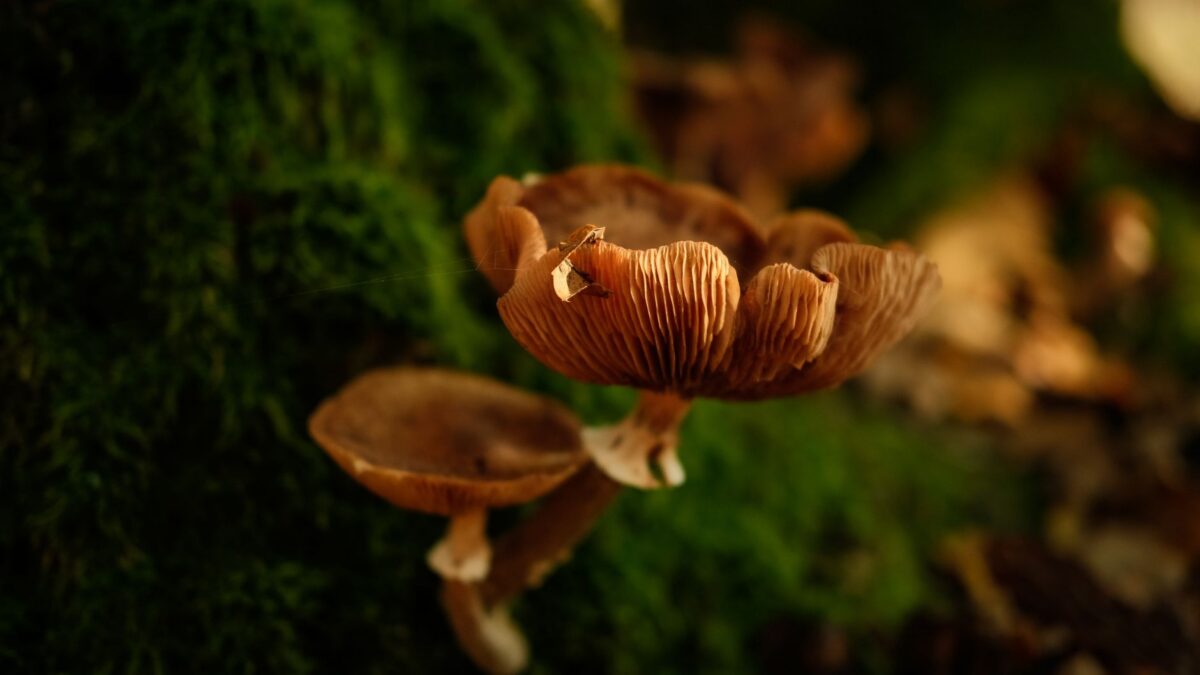
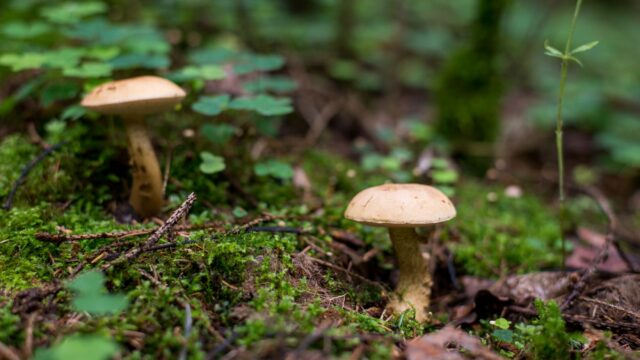
A small brown mushroom from Florida wetlands makes both psilocybin, the psychedelic compound of “magic mushrooms,” and amatoxins, the poisons behind most fatal mushroom poisonings worldwide. According to a University of Florida team, Galerina indica is the first mushroom known to produce both.
The finding appears in the journal Current Biology. One of the toxins the researchers detected, alpha-proamanitin, is new to science.
How the mushroom was found and tested
The fungus was growing on moss-covered palm trunks in Florida wetlands. The researchers had set out to look for little-known poisonous mushrooms in the southeastern United States and did not expect to find psychedelic chemistry, according to the Daily Mail’s account of the work.
Chemical tests showed psilocybin and psilocin, its related compound, alongside two amatoxin compounds. The paper says these substances occur in several distantly related groups of fungi but had never before been shown together in a single species.
Where the psychedelic genes may have come from
The team believes the mushroom picked up its genes for making psychedelic compounds from unrelated fungi. The process is called horizontal gene transfer, in which an organism takes in genetic material from another species instead of inheriting it from its parents. It is rare.
According to the study, the transfer happened after the mushroom’s ancestors had already evolved the ability to make deadly toxins. In other words, the poison came first and the psychedelic pathway was added later.
Why it matters for mushroom hunters
The authors say the result carries a public health message. Many foragers assume a mushroom that bruises blue is likely psychedelic and not dangerously poisonous. The blue color comes from psilocin oligomers, chemical chains built from psilocin.
The paper cautions against treating blue bruising as evidence that an unstudied psilocybin-containing mushroom is free of amatoxins. In the authors’ words, the color may only be a useful guide in well-characterized or cultivated species with a tradition of human use.
Matthew Smith, a professor in the University of Florida’s Department of Plant Pathology and Florida’s state mycologist, said part of his job is identifying poisonous or potentially poisonous species. He said he regularly consults with Florida Poison Control, emergency room doctors and veterinarians when someone suspects a person or dog ate a mushroom. Knowing which species occur in the state helps in those cases, he said.
Smith also said the mushroom is hard to find because it is small and brown, like hundreds of other species. Even a trained expert has trouble telling it apart from the others, he said.
What scientists still do not know
Researcher Andrew Kunik said scientists do not fully understand why mushrooms make psilocybin at all. Amatoxins may protect mushrooms from animals that eat them, but their exact role in nature is also unclear, he said.
That leaves an open question about why one species would carry both compounds and what advantage the pairing gives it. Kunik described the discovery as a sign that small, plain-looking fungi can hide chemistry researchers are only beginning to understand.
The reports do not describe how many specimens were studied or where else the mushroom might grow. They also do not say whether the toxins in this species have been tested for effects on people or animals. Psilocybin is a controlled substance in many countries, though it is also being studied as a possible treatment for conditions including depression and PTSD.
The effects of psilocybin typically begin within an hour of eating and can last for several hours, according to the Daily Mail. They can include changes in perception, mood and sense of time.
Source: Daily Mail