Heart Scans Steered Fewer People to Statins, Same 2.7% Event Rate
In a trial of 5,772 adults, calcium heart scans led to far fewer statin picks with the same event rate. What it showed and what it could not prove.
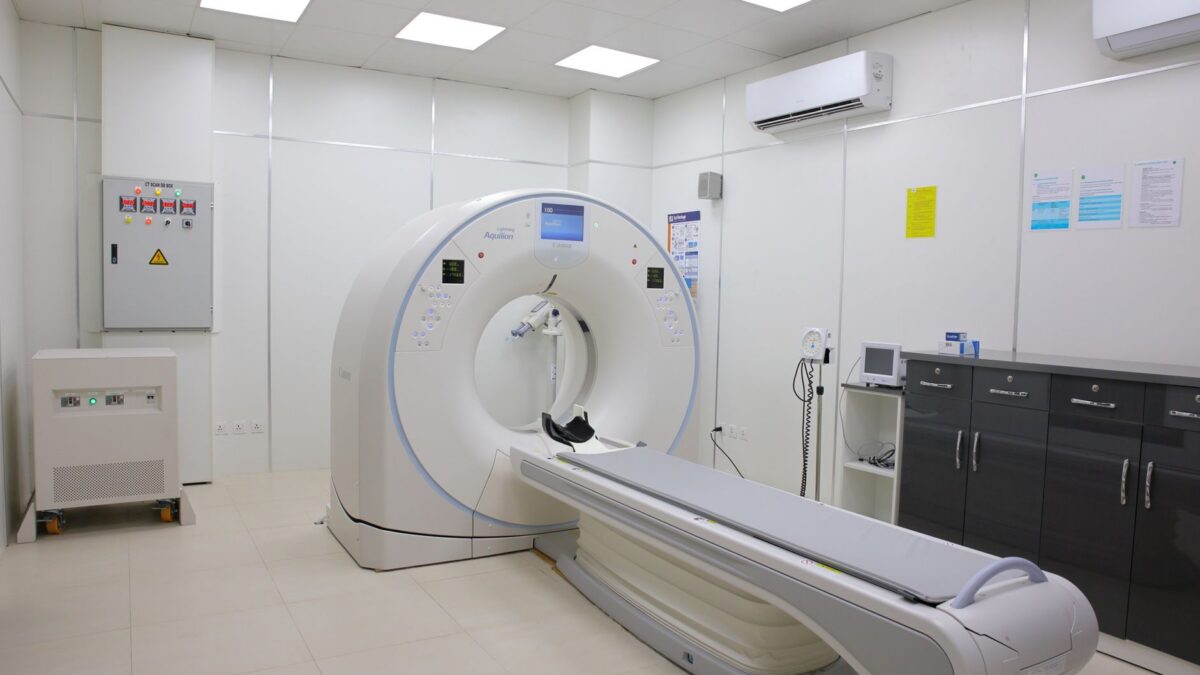
In a trial of 5,772 adults, choosing who gets statins by scanning the heart’s arteries for calcium produced the same observed rate of heart attacks, strokes and other major events as the usual risk calculator: 2.7% in each group over an average of 4.2 years. The scan-guided group was advised to start statins far less often.
People told to take statins because of their scan results were also much more likely to keep taking them, 62% compared with 23%. The researchers say the trial still did not prove that the scan approach protects the heart as well as the standard method.
Two ways to pick statin patients
Statins lower LDL cholesterol, the “bad” kind, and reduce the chance of heart attacks and strokes caused by atherosclerotic cardiovascular disease (ASCVD). That disease develops as fatty plaque builds up inside arteries and narrows them. Deciding who should start a statin before any symptoms appear is hard, and doctors usually rely on risk calculators.
A widely used tool is the pooled cohort equations, which estimate future risk from factors such as age, cholesterol, blood pressure and smoking. A coronary artery calcium scan works differently. It uses a CT scan to look for calcium deposits in the arteries that feed the heart. Calcium collects inside plaque, so the scan shows disease that is already there, even in people who feel fine.
“For far too many patients, the first symptom of ASCVD is a heart attack,” said Dr. Joseph B. Muhlestein of Intermountain Medical Center in Murray, who led the CorCal Outcomes trial. He has said that many people, younger adults in particular, have their first heart attack without ever having scored high enough on standard tools to be offered a statin.
How the CorCal Outcomes trial worked
Participants came from the Canyons and Desert regions of Intermountain Health Care. None had known ASCVD or diabetes, and none had taken statins before. Their average age was 64, and 51% were women.
Patients were randomly split 1:1. One half got a statin recommendation based on traditional risk scores, the other half based on calcium scan results. Patients and their doctors saw the recommendation, but the final choice to start a statin stayed with them.
The team counted major cardiovascular events, a combined measure of death from any cause, heart attack, stroke and procedures to reopen narrowed or blocked arteries. The results were presented in a Hot Line session at ESC Congress 2026, according to the European Society of Cardiology.
What the numbers showed
Event rates matched at 2.7% per group, and the hazard ratio, a measure of relative risk over time, was 0.99 (95% confidence interval 0.71 to 1.38; p=0.045 for noninferiority). People assessed with the risk calculator were told to start statins more than three times as often as those assessed by scan.
Among patients advised to take a statin, scan-guided patients were about 2.7 times as likely to stick with the drug. One possible reason is that seeing plaque in their own arteries gave people more motivation, but the trial did not test why adherence differed.
What it means and where the evidence stops
The trial missed its preset statistical bar for showing that the scan strategy is no worse than the standard one. Fewer participants had heart events than the investigators expected, which left the study with less power to detect a real difference between the two approaches.
Muhlestein said the lower-than-expected event rates reduced the study’s power and that noninferiority was not demonstrated. He described the results as hypothesis-generating and said the data could help plan a larger, well-powered randomized trial comparing calcium scoring with current risk-factor tools.
So the study suggests calcium scans might target statins at fewer people and help those people stay on treatment. It does not show that this leads to equal or better protection over the long term.
European guidance already gives the scans a role. The 2025 Focused Update of the 2019 ESC/EAS Guidelines for managing blood lipids says a raised calcium score, when available, can be counted as an extra factor in risk assessment, mainly for people at moderate risk or close to the point where a statin would normally be offered. Decisions about statins belong with a patient and their doctor.
Source: ScienceDaily