Isotopes in Cremated Bone Show Colchester Burials Held Far Travelers
Durham University researchers analyzed isotopes in cremated remains from 22 Roman burials in Colchester, and several people grew up far from Britain.
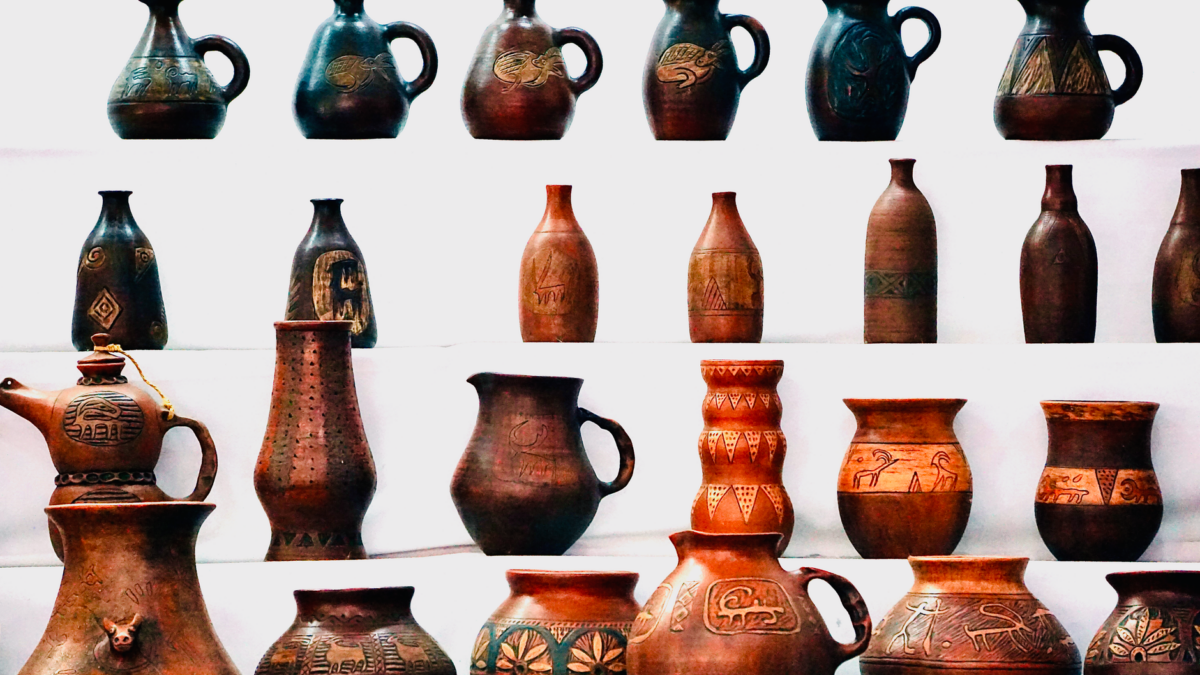
Several of 22 people buried in Colchester about 2,000 years ago grew up thousands of miles from Britain, according to a statement from Durham University. Colchester was the first capital of Roman Britannia, and the finding comes from chemical analysis of cremated remains from its burials.
One of them was buried in the Colchester Vase, a container decorated with scenes of gladiatorial combat and animal hunting. The analysis found that this person grew up in the Mediterranean region, as reported by Archaeology Magazine.
How the team read cremated bone
Joanna Moore, Janet Montgomery and Geoff Nowell of Durham University, with colleagues, measured strontium and lead isotopes in the remains. Isotopes are versions of an element with different weights. The strontium and lead in a person’s body come from the local ground, water and food, so the ratios in bone and teeth can point to the region where someone grew up.
Cremation makes this harder, because the heat of a funeral pyre alters bone. The team developed a way to run the analysis on remains that had been through that heat. The work was published in Royal Society Open Science.
What the vase suggests
The images on the vessel indicate the person may have trained gladiators or may have been a patron who funded gladiator fights, according to the report. That is an interpretation based on the decoration, not something the isotopes themselves show. The chemistry shows only where the person spent their childhood.
The finding adds to evidence that the population of Roman Britain included people from distant places. Archaeology Magazine points readers to its earlier coverage of ancient DNA on that theme. For a different example of Roman-era material science, see our report on why Roman concrete has lasted 2,000 years.
How sure is this?
The research was published in a peer-reviewed journal, Royal Society Open Science. The sample is small: 22 individuals from one city, and the sources say several of them, not all, showed origins far away. The source material does not give how many, or the specific places beyond the Mediterranean region for the vase burial.
The gladiator connection rests on the vase decoration and is stated as a possibility. Isotope ratios indicate a region of origin, not a precise birthplace, and the sources do not describe how the new method was validated beyond its development by the team.
Source: Archaeology Magazine
Site editor: Nikita Sheikin