Nasal mRNA Drops Return Aged Mice to Youthful Memory Scores
University of Sydney researchers report that nasal mRNA drops restored memory in aged mice and halted decline in Alzheimer's-model mice. The work is in mice only.
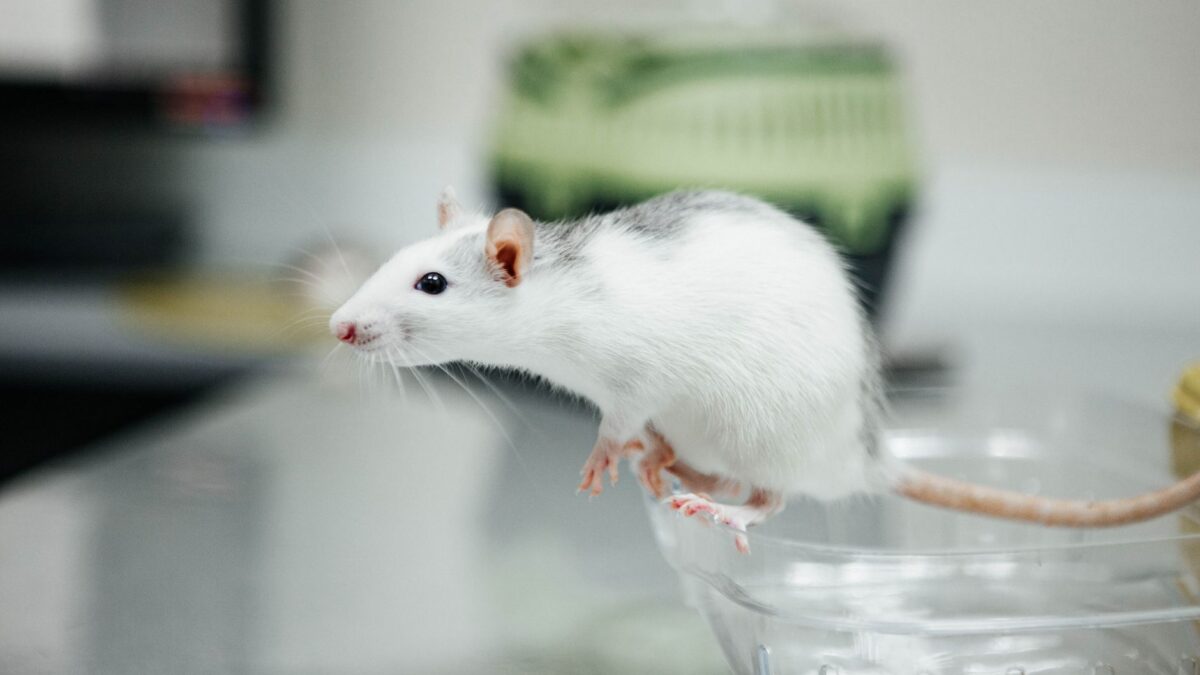
Nose drops carrying mRNA, the genetic instructions used in COVID-19 vaccines, brought older mice back to the memory performance of young mice, according to a University of Sydney study in Advanced Science. In mice engineered to develop Alzheimer’s-like disease, the same treatment stopped the severe memory decline normally seen in that model. The work was done only in mice.
The treatment did not clear amyloid plaques, the protein deposits that build up in the brains of people with Alzheimer’s. The mice kept their memory anyway, which points to a mechanism different from that of many current Alzheimer’s drugs, which aim to remove amyloid.
How the drops were built and tested
The team, led by Professor Greg Neely at the university’s Charles Perkins Centre, packed mRNA into lipid nanoparticles, tiny fat-based capsules that protect the mRNA and help it enter cells. The mRNA carries instructions for brain-derived neurotrophic factor (BDNF), a natural protein that helps neurons survive, form connections and adapt as the brain learns. BDNF levels tend to fall with age and are also linked to Alzheimer’s disease. The university said the system builds on the BioNTech platform used for COVID-19 vaccination.
Once the drops are given in the nose, cells in the nasal tissue make BDNF, which can then reach the brain. The paper’s title refers to BDNF production in the nasal epithelium, the lining of the nose. The route is meant to avoid the blood-brain barrier, the filter that keeps many drugs out of brain tissue.
In aged mice, the treated animals performed about as well as young mice on standardized tests of working memory, spatial memory and object recognition. Untreated older mice showed the usual age-related decline.
For the Alzheimer’s experiments the researchers used 5XFAD mice, which carry mutations that cause brain changes by two months of age and measurable cognitive decline around four months. Treatment began at two months and continued twice a week. By four months, the treated mice showed no further cognitive decline. The team also detected more neurogenesis, the formation of new neurons, in the hippocampus, a brain region central to learning and memory.
The researchers reported no major side effects in the mice.
How sure is this?
The study is peer-reviewed (DOI: 10.1002/ADVS.78225), but it is limited to mouse models. The sources do not give the number of mice used. Neely said human noses differ from mouse noses, so the delivery route may not work the same way in people. Additional animal safety studies are required before any human trial, and long-term safety is unknown.
Neely said the individual components are known from earlier clinical trials to be safe in humans, but the complete nasal treatment still needs its own safety evaluation. Whether it improves memory in people is an open question.
Neely and first author Dr. Maria Bergamasco are listed as inventors on a provisional patent application tied to the work. The other authors reported no competing interests. Funding came from Australia’s National Health and Medical Research Council, the NSW Ministry of Health and a philanthropic gift from Dr. John and Anne Chong. The animal work was approved by the University of Sydney Animal Ethics Committee.
Neely also said that just under a third of Alzheimer’s patients have serious plaques but no dementia, and that these patients show naturally higher BDNF levels. He presented this as a reason to think raising BDNF could allow people to live with Alzheimer’s pathology. The study itself tested only mice.
What comes next
The team plans to refine the nasal delivery technology and run longer studies of safety and effectiveness. Neely said he hopes to move through the required safety studies and begin human trials within two years. He also suggested that, if the approach works in people, it might be combined with plaque-clearing drugs. That idea has not been tested.
Source: ScienceDaily
Site editor: Nikita Sheikin