Old Prescriptions Leave Marks in Gut Bacteria Years After Use
A study of more than 2,500 people found that common drugs leave lasting gut microbiome changes after use stops. Here is the method and its limits.
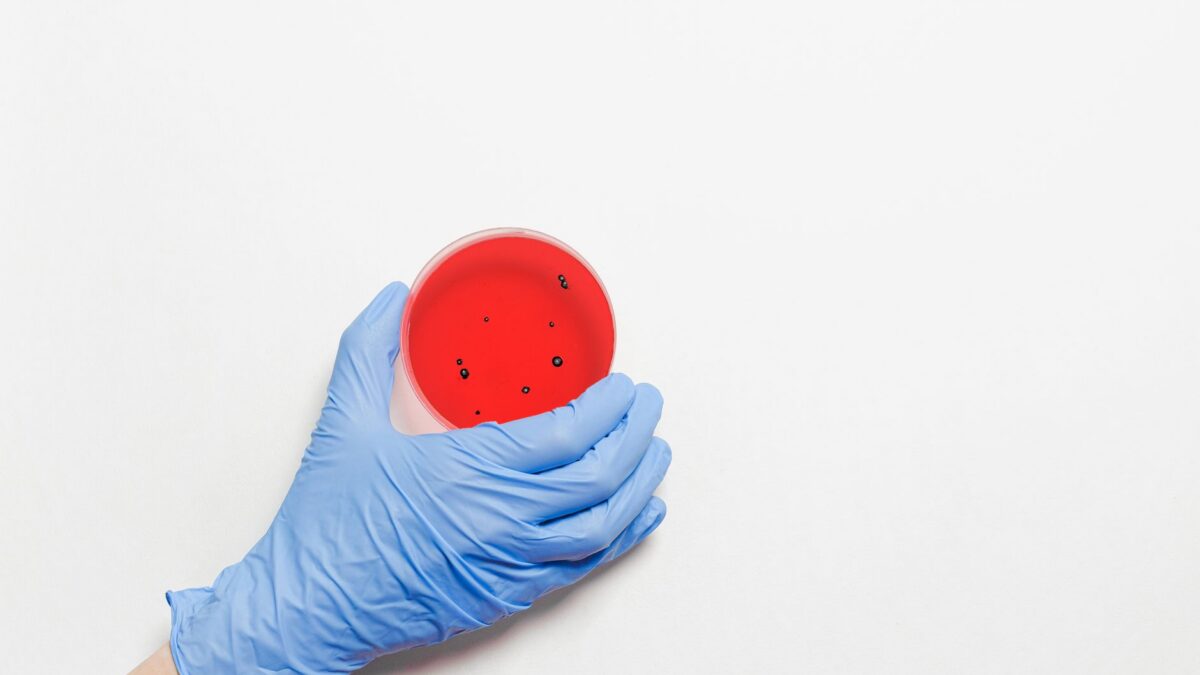
Drugs a person stopped taking years ago can still show up in the makeup of their gut bacteria. Researchers at the University of Tartu Institute of Genomics in Estonia reached that conclusion after comparing stool samples and prescription records from more than 2,500 people.
Most of the medications they examined were tied to differences in gut microbes, and a substantial number left a detectable microbial “fingerprint” long after the last dose. The Estonian Research Council released the findings, and the study appeared in the journal mSystems.
What the team compared
The participants came from the Estonian Microbiome cohort, part of the Estonian Biobank. The researchers lined up each person’s stool sample against their medical health records, which show what was prescribed and when. That let them ask about drugs people take now and also about drugs they used in the past.
Antidepressants, beta-blockers, proton pump inhibitors and benzodiazepines were all linked to differences in the gut microbiome. Beta-blockers are prescribed for high blood pressure and some heart conditions. Proton pump inhibitors lower stomach acid and are common for acid reflux. Benzodiazepines are often used for anxiety.
Benzodiazepines stood out. According to the researchers, their association with gut bacteria was comparable to that of broad-spectrum antibiotics, which hit many kinds of bacteria at once and are known to disrupt the gut community. Drugs in the same class did not behave alike either: diazepam and alprazolam, two benzodiazepines used for similar conditions, appeared to differ in how strongly they disturbed gut bacteria.
Testing whether the drugs caused the shifts
A link between a drug and a microbiome pattern could simply mean that people who take the drug were different to begin with. To test that, the team collected extra stool samples from a smaller group of participants and watched how their microbiomes changed when they started or stopped certain medications.
The team saw predictable shifts in gut bacteria, which pointed to the drugs themselves as a cause. The follow-up group was small, but the researchers say they verified lasting effects for several drug categories: proton pump inhibitors, selective serotonin reuptake inhibitors (SSRIs, a common type of antidepressant) and certain antibiotics, including combinations of penicillins and macrolides, a class used against various bacterial infections.
Lead author Dr. Oliver Aasmets said most microbiome studies look only at current medications, while past drug use turned out to be a surprisingly strong factor in explaining why one person’s microbiome differs from another’s.
How sure is this?
The main analysis is large and draws on real-world medical records, which corresponding author Professor Elin Org described as a comprehensive systematic evaluation of long-term medication effects. The evidence that drugs drive the changes rests on the smaller follow-up group, and the study did not test every medication that way.
The work does not show that the lingering changes are harmful or that they lead to specific health problems. The authors present the findings as a caution for microbiome research rather than a health warning. Differences in gut bacteria that scientists attribute to a disease could partly come from treatments received years earlier. The researchers hope other scientists and clinicians will factor medication history into their interpretation of microbiome data.
Readers who want background on the community itself can read about what scientists know about the gut microbiome. The researchers are the University of Tartu authors Aasmets, Nele Taba, Kertu Liis Krigul, Reidar Andreson, Org, Mait Metspalu, Andres Metspalu, Lili Milani and Tõnu Esko. The paper is titled “A hidden confounder for microbiome studies: medications used years before sample collection” (DOI: 10.1128/msystems.00541-25).
Source: ScienceDaily
Site editor: Nikita Sheikin