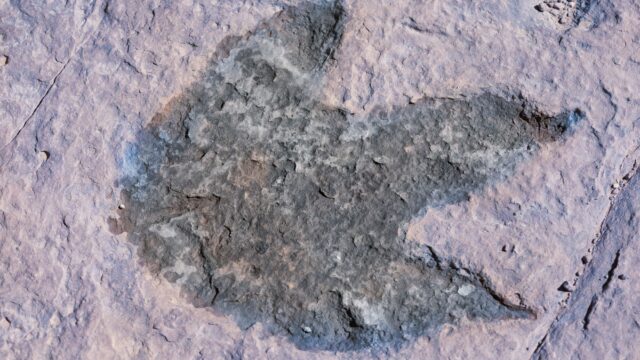
Only Known Dubreuillosaurus Fossil Heads to Paris Auction on Nov. 18
The only known fossil of Dubreuillosaurus, a 167-million-year-old dinosaur from Normandy, goes up for sale in Paris. Why paleontologists object.
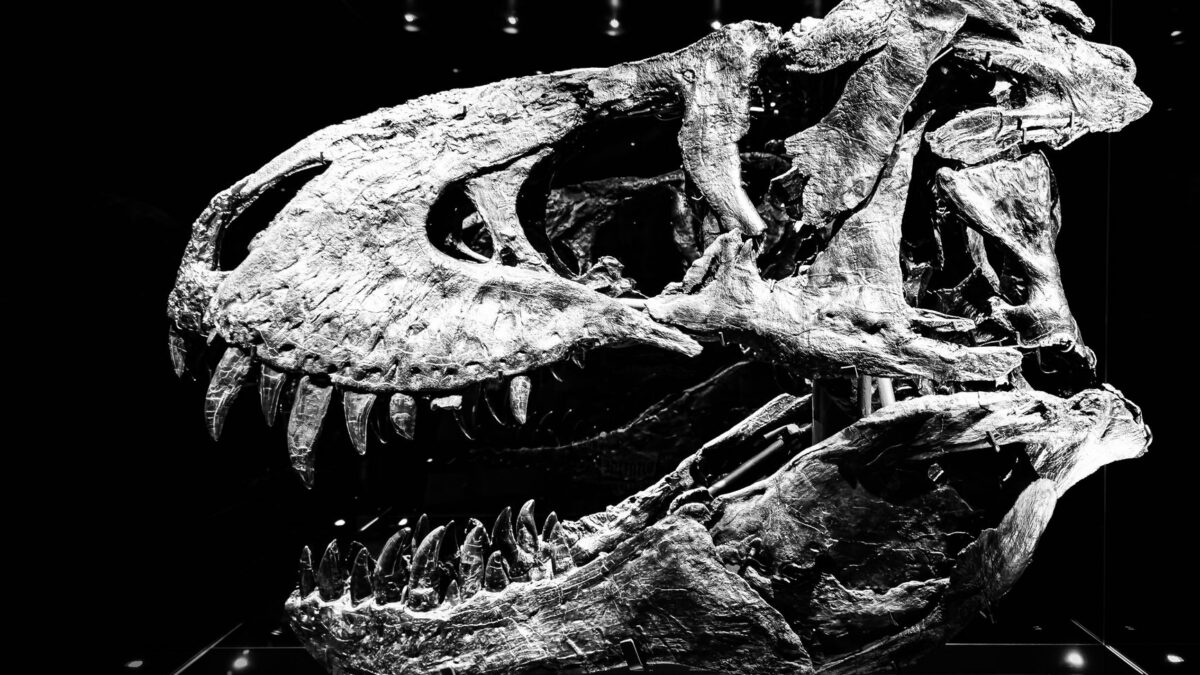
The only fossil ever found of Dubreuillosaurus valesdunensis, a 167-million-year-old meat-eating dinosaur from Normandy, is scheduled to be sold on Nov. 18 in Paris by the Millon auction house, National Geographic reported. The specimen is a holotype, the reference fossil that defines the species, and paleontologists say they know of no earlier case of a dinosaur holotype being put up for sale.
The auction is expected to bring between $280,000 and $390,000. Researchers worry a private buyer could take the bones out of scientific reach for good.
What a holotype is and why this one is unusual
When scientists name a new species, they pick one specimen as its anchor. Every later find is compared against that holotype to decide whether it belongs to the same species. If the holotype disappears, so does the standard for that name.
Recent dinosaur sales such as Gus the T. rex and Jodi the Nanotyrannus each went for more than $45 million this year. Dubreuillosaurus differs because it is the only specimen of its kind ever discovered. Steve Brusatte, a paleontologist at the University of Edinburgh, told National Geographic he was not aware of any other sale of a dinosaur holotype. Tyler Lyson of the Denver Museum of Nature & Science said he had heard of holotypes lost, stolen or destroyed in war, but never sold.
A mayor, a quarry and 2,000 fragments
André Dubreuil, then mayor of the small Normandy town of Conteville, found bone fragments and teeth in 1994 while checking a quarry on land he had recently bought. A team from the National Museum of Natural History in Paris dug at the site in 1998 and found a jaw from a carnivorous theropod related to Megalosaurus, which in 1824 became the first dinosaur ever named.
Over more field seasons between 1999 and 2001, the team collected more than 2,000 fossil fragments. Ronan Allain, then a doctoral student at the museum, spent two years rebuilding the skull with colleagues, working two hours each morning. The result is one of the best preserved megalosaur skulls ever recovered.
Allain first thought the bones belonged to Poekilopleuron, a dinosaur whose holotype was destroyed in a World War II bombing. Further study showed it was a new animal, and he named it in a 2005 paper. The animal was a juvenile about nine feet long with a long snout that it likely used to catch fish. Adults probably reached about 20 feet. The species name honors Dubreuil and the Battle of Val-ès-Dunes, won in 1047 by William, later known as William the Conqueror.
How the fossil ended up for sale
Dubreuil kept ownership the whole time. He lent the fossil to the Paris museum, where it carried the catalog number MNHN 1998-13, until 2013, when he asked for it to return to Normandy for display at a regional museum called Paléospace. After he died in 2024, his heirs chose to sell it. Allain says the sale is legal under French law because the bones came from private land and ownership was never transferred to a museum.
Isabelle Boudot de La Motte, an auctioneer at Millon, argues that collectors buy, preserve and lend fossils, and that private ownership has not stopped this specimen from being shown. The auction house points to Apex, a $44.6 million Stegosaurus now on a four-year loan to the American Museum of Natural History in New York. It also notes that the Dubreuillosaurus fossil has been on loan to museums for nearly 30 years while privately held.
Why it matters for science
Kristina Curry Rogers, incoming president of the Society of Vertebrate Paleontology, said she fears the precedent of treating unique holotypes as financial assets. Marie-Béatrice Forel, chief scientist of paleontological collections at the Paris museum, where the fossil was kept for 15 years, has campaigned against the sale. “A holotype should never be put up for auction,” she said.
If the buyer locks the fossil away, researchers could no longer check its classification or test whether new finds belong to the same species. Brusatte warned that “this species will become a taxonomic black hole.” Thomas Holtz Jr. of the University of Maryland, who peer-reviewed the 2005 paper, compared losing access to the fossil to a museum fire that destroys it.
Petition and fundraising before the sale
A petition calling for a boycott of the auction has passed 4,000 signatures. The French Paleontological Association set up a fund to buy the fossil, but it had raised only about $16,000 as of National Geographic’s report.
Source: National Geographic