Student Anxiety Over the Unknown Rose Three Times Faster Since 2012
A review of 137 studies covering 37,298 North American college students found intolerance of uncertainty climbing about three times faster since 2012.
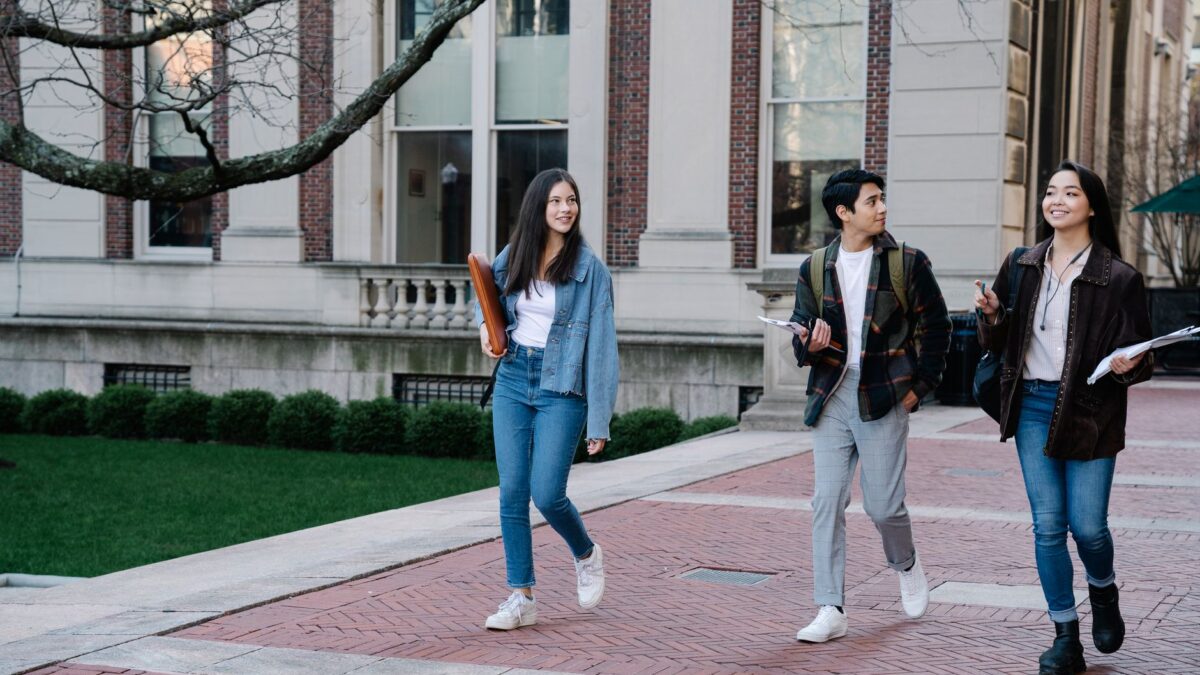
College students in the United States and Canada have become steadily less comfortable with not knowing what comes next, and the shift sped up after 2012. A pooled analysis of 137 studies found that scores on a trait called intolerance of uncertainty rose about three times faster from 2012 to 2023 than they did in the two decades before, according to Health Chosun’s report on the work.
The study was led by Professor Catherine Keith of Columbia University, with colleagues at Boston University, and appeared in the journal JAMA Psychiatry.
What the researchers measured
Intolerance of uncertainty is a tendency to feel strong anxiety and discomfort when the outcome of a situation is unknown or when information is missing. A person with a high score might worry a great deal about what to do in a new class, or about what will happen at a gathering with unfamiliar people. People who score higher on the trait face a greater risk of problems such as anxiety disorders and depression.
The team did not survey anyone itself. It combined results from 137 earlier studies of college students in the two countries, conducted between 1992 and 2023. Together they included 37,298 participants.
Across those three decades, average scores climbed. The yearly increase was 0.02 standard deviations from 1992 to 2011. From 2012 to 2023 it was 0.06 standard deviations per year. A standard deviation is a common yardstick for how far a score sits from the average of a group, so the figures show how quickly the typical student’s score was moving each year.
Why the authors doubt it is only awareness
Young people are more aware of mental health than they used to be, and that is one reason reported anxiety and depression have gone up: people recognize their symptoms more readily and say so in surveys. The researchers argued that awareness does not fully explain this result. Intolerance of uncertainty is a psychological concept the general public rarely meets, so a steady rise in the scores suggests that students’ actual psychological states may have changed.
The team named several possible contributors: the spread of smartphones and social media, stiffer academic competition, economic instability and loneliness. The researchers said several social factors may have acted together. The study did not test whether any of them directly raised intolerance of uncertainty.
How sure is this?
The work is a published analysis in a peer-reviewed journal, and its sample is large. It also has limits that the report spells out. The data come from different groups of students surveyed at different times, so the analysis tracks a trend across studies and cannot follow individuals. It did not identify what caused the rise. And the findings cover college students in the US and Canada, so applying them to all young people calls for caution.
Keith described the trait as an intermediate step in how anxiety develops: in her words, it is not itself a disease or the root cause of one. The researchers noted that the tendency can be improved with treatment. Cognitive behavioral therapy in particular may help people change thoughts and reactions that treat uncertain situations as far more dangerous than they are.
Source: Health Chosun
Site editor: Nikita Sheikin