Heavier Phone Use Tracks With More Distress in 283 Young People
A study of 283 children and teens in Québec and Algeria links problematic smartphone use to more depression, anxiety and stress. Exercise may soften it.
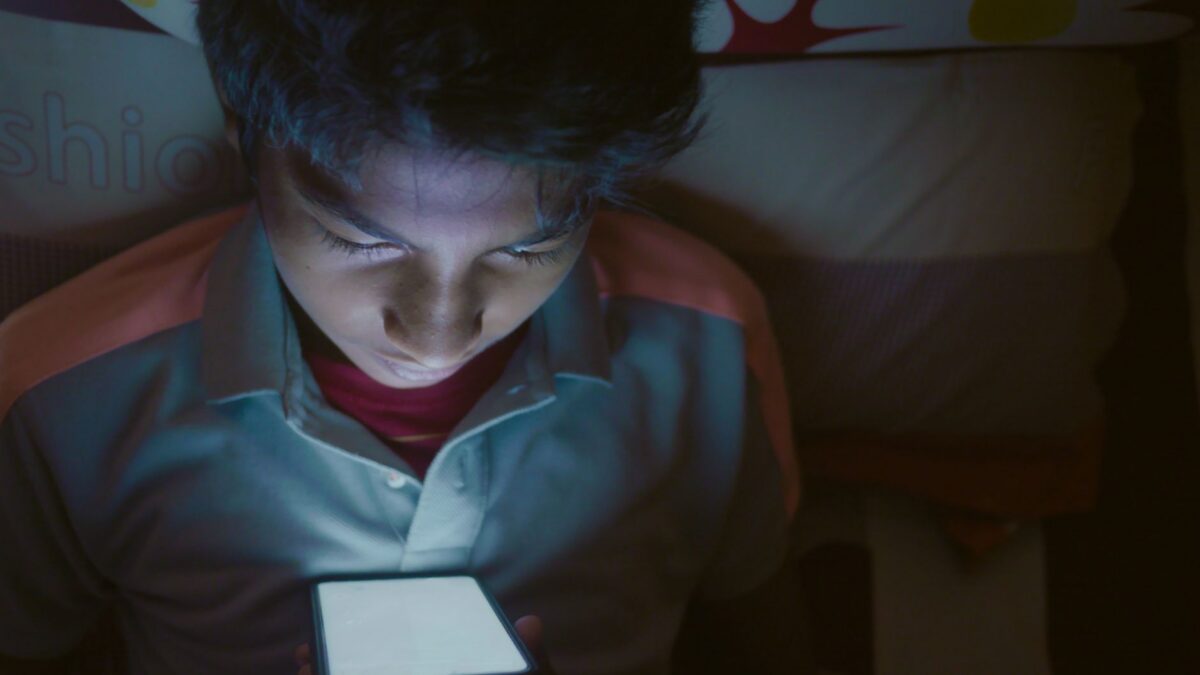
Children and teenagers whose smartphone use is more problematic report more depression, anxiety and stress, according to a study in the Journal of Activity, Sedentary and Sleep Behaviors. The work compared young people in Québec, Canada, and in Algeria, and found the same pattern in both places.
The result is a correlation from a single point in time. It cannot show that phones cause distress, and the authors say as much.
How the researchers measured it
A team led by Brahim Zeroual, with Emma Cristini, Robin Chaverot, Michael Pereira da Silva, Noémie Carbonneau, Évelyne Touchette, Marie-Eve Mathieu, Caroline Fitzpatrick and Roseane de Fátima Guimarães, analyzed baseline data from the SMARTKids Québec study and its extension in Algeria.
The sample had 283 participants aged 6 to 17, with an average age of 11.5. Of these, 153 were recruited in Québec and 130 in Algeria. Each person filled out a questionnaire on family background and two standard scales. The Smartphone Addiction Scale–Short Version (SAS-SV) rated problematic phone use. The 21-item Depression, Anxiety and Stress Scale (DASS-21) rated mental health symptoms. The team also recorded daily physical activity, nightly sleep and total screen time.
What the numbers show
Nearly one in five participants scored above the SAS-SV cutoff for problematic use. In regression models, a higher severity of problematic use went with more psychological distress. The unstandardized coefficient was 0.57, with a 95% confidence interval of 0.46 to 0.68, and the result was statistically significant at p < .001.
The link did not differ meaningfully between Québec and Algeria, or between families with different levels of parental education. The authors caution that these comparisons may have lacked enough participants to detect a difference.
Where physical activity comes in
Physical activity changed the picture. Among active young people, the connection between phone use and distress was weaker than among inactive ones. The interaction term was 0.28, with a 95% confidence interval of 0.03 to 0.52 and p = .026.
That finding did not hold up under a stricter test. After the team adjusted for age, sex and study location, the adjusted p-value was .126, which is no longer statistically significant. Sleep duration and total screen time showed no moderating effect.
Why it matters and what is still unclear
Problematic smartphone use is increasingly tied to worse mental health in young people, yet it has been unclear whether habits such as exercise and sleep change that relationship. This study points to physical activity as a possible buffer but does not confirm it.
Because the data come from one moment in time, the direction of the link is unknown. Distress could drive heavier phone use just as easily as the reverse. The authors say larger studies that follow young people over time are needed to test the idea.
The paper is titled “Associations between problematic smartphone use and mental health in children and adolescents: a comparative study in Québec (Canada) and Algeria” (DOI 10.1186/s44167-026-00123-0).
Source: BIOENGINEER