Taurid Fireballs Can Shine as Bright as Venus, NASA Says
The Southern Taurids peaked Nov. 4-5 with fireballs as bright as Venus, and the Northern Taurids peak Nov. 11-12. How to watch and where they come from.
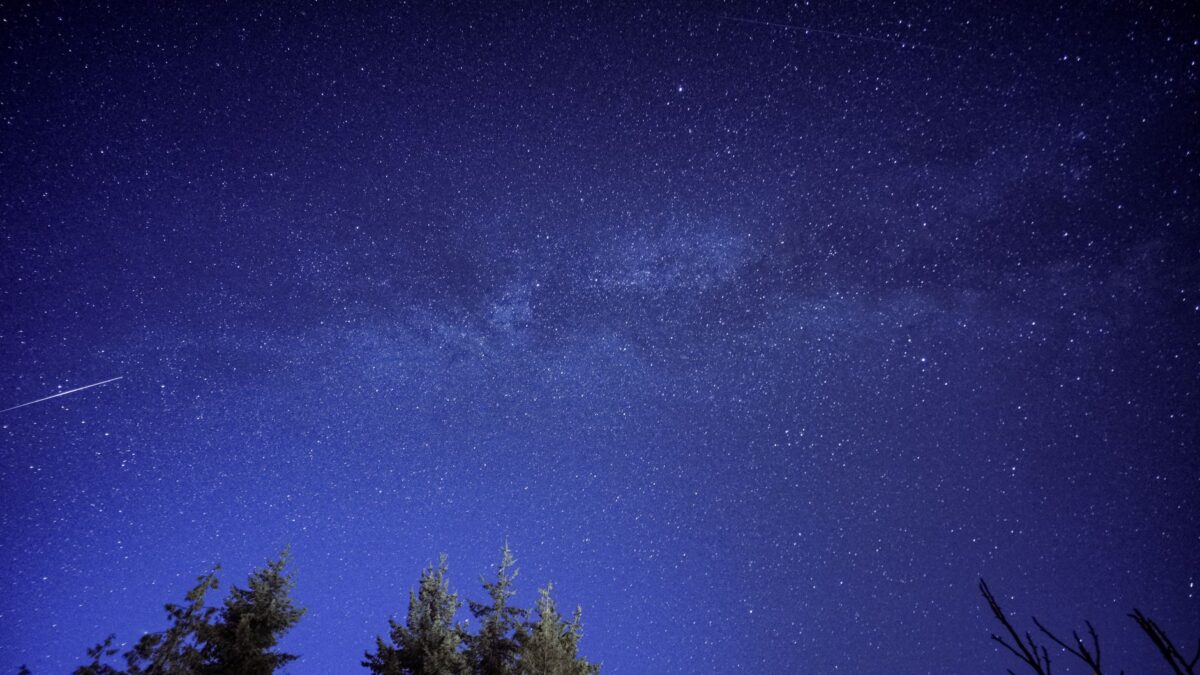
The Southern Taurid meteor shower produces only about five meteors per hour, but some of them are fireballs that can match Venus in brightness, according to NASA’s Meteoroid Environment Office. The shower reached its peak around midnight local time on the night of Nov. 4-5, Geo News reported, and its sister shower, the Northern Taurids, peaks on the night of Nov. 11-12.
That second date gives skywatchers who missed the first peak another chance. As with any meteor shower, what you see depends on your location and the local weather.
Slow, bright meteors from Comet Encke
Both Taurid showers come from debris shed by Comet 2P/Encke. The comet circles the sun every 3.3 years, the shortest orbital period of any known comet. Each fall, Earth passes through the trail of material it has left behind, and those bits burn up in the upper atmosphere.
Some of the debris is larger than typical meteor dust. The pieces range from the size of marbles to small boulders, Geo News reported, which is why the Taurids throw off so many fireballs. Some leave smoke trails that hang in the sky for several minutes.
The Taurids also move slowly by meteor standards. They hit the atmosphere at about 65,000 miles per hour, which makes them slower and easier to follow by eye than the Orionids. Bill Cooke of NASA’s Meteoroid Environment Office said that while there are few of them, a single Taurid fireball is “a brilliant streak in the sky” that viewers tend to remember.
The meteors seem to fly out of the constellation Taurus, which sits near Orion in the southeastern sky on November nights. The Southern Taurids have been active since Sept. 20.
How to watch the Northern Taurids
No telescope or binoculars are needed. Cooke described meteor watching as the most basic form of astronomy, done with the eyes alone. The usual advice applies:
- Find a spot away from city lights.
- Give your eyes 20 to 30 minutes to adjust to the dark.
- Keep your phone screen off, since its light resets your night vision.
- Look toward the southeastern sky, though meteors can appear anywhere overhead.
Around the Southern Taurid peak the moon was a thin crescent, which kept the sky dark enough for fainter meteors to show, according to the Geo News report.
Why it matters for skywatchers
Most meteor showers are judged by how many meteors they produce in an hour, and by that measure the Taurids rank low. Their appeal is quality over quantity: a few slow, bright fireballs instead of a steady stream of faint streaks. For casual observers who only step outside for a short time, a single fireball can be more memorable than dozens of dim meteors.
A denser swarm expected in 2032
The Taurid stream is not uniform. Cooke said Earth is expected to pass through a thicker part of the debris cloud in 2032, which he said would bring “lots of brilliant fireballs.” Until then, the Taurids will keep returning each autumn at their usual modest rate, with the Northern branch next peaking on Nov. 11-12.
Source: Geo News