Westerplatte Dig Yields 28,000 Munitions and 2,700 WWII Objects
Archaeologists at Westerplatte in Poland found more than 28,000 munitions and 2,700 WWII objects. See what turned up and the human remains found in November.
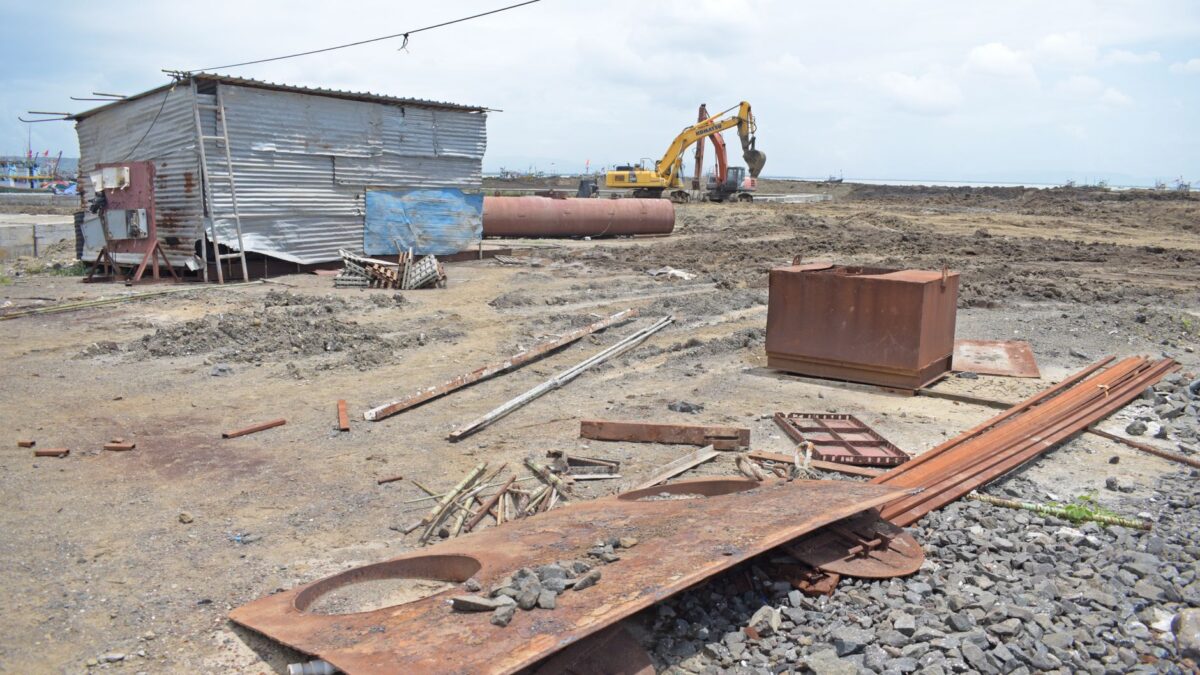
Archaeologists digging at Westerplatte in Gdańsk, Poland, recovered about 2,700 Second World War objects and secured more than 28,000 pieces of ammunition and other hazardous material during this year’s season, according to HeritageDaily, citing the Polish news agency PAP. The team also exposed the ground surface that Polish defenders walked on during the fighting of September 1939.
The Museum of the Second World War ran the excavation from April 9 to Aug. 10, 2026. It was the 13th season of archaeological research on the peninsula, and the work covered 479 square meters.
What the trenches revealed at the old barracks
The largest trench, 292 square meters, sat over the northern wing of the new barracks. Builders put up that building between 1935 and 1937 to house personnel of the Polish Military Transit Depot. Inside the trench, the team found reinforced-concrete remains of a gunsmith’s workshop and a garage with an inspection pit and an exit ramp.
Part of a large crater also came to light. It formed in April 1945, when ammunition that German forces had stockpiled on the site blew up and destroyed the northern wing. Researchers estimate the crater was originally as wide as 20 meters.
A second area of 187 square meters surrounded the former assembly ground. Archaeologist Adam Dziewanowski said, “We have uncovered the level where Polish defenders walked in 1939.” According to him, the area held the main command post, the crew’s main bunker and a dressing station for the wounded. He said the structures will be uncovered and opened to visitors as part of the museum being built on the site.
From mortar plates to rifle cartridges
Of the roughly 2,700 objects recovered, almost 900 were classed as valuable artifacts. The most notable is the base plate of a Polish 81 mm mortar, the part that braces the weapon against the ground when it fires. The team also found a damaged Polish military mess tin and part of a window frame that still carries camouflage paint described as “English pink.”
The 28,000-plus hazardous items were mostly Mauser rifle cartridges and artillery fuses. Those finds add physical evidence of how the military occupied the site and what happened there during and after the 1939 fighting.
Human remains found during museum construction
On Nov. 5, 2026, construction crews building the Westerplatte Museum found human remains together with Polish military buttons and a bayonet. Because of that equipment, the remains may belong to Legionnaire Mieczysław Krzak, a defender of the transit depot who died in September 1939. The identification has not been confirmed, and further tests would be needed to settle it. The museum site covers more than 116,000 square meters, and construction is going on alongside the archaeological work.
Why it matters for the history of Westerplatte
The finds give physical traces of the September 1939 fighting: where the command post and bunker stood, what equipment the crew used, and how the barracks were destroyed in 1945.
Digging on the peninsula has gone on since 2016. In 2019, archaeologists found the graves of nine Polish soldiers, and genetic testing later identified seven of them. They were reburied in 2022 at the new Polish Army Cemetery at Westerplatte. Work in 2024 uncovered the remains of four Polish civilian prisoners of war whom Germans murdered in the first months of the war.
This season’s work adds a record of the surviving parts of the transit depot and the ground level its defenders used in 1939.
Source: HeritageDaily
Site editor: Nikita Sheikin