Natufian Sites in Israel Yield 154 Clay Figurines and Fragments
Archaeologists identified 154 clay figurative objects from three Natufian sites in Israel, per a PLOS One study. Eleven of 15 figurines are birds.

Archaeologists have identified 154 clay figurative objects from three Natufian sites in Israel, according to a study published in PLOS One and reported by HeritageDaily. The Natufian culture flourished between approximately 15,000 and 11,650 years ago, and the finds suggest its people were modeling animals and humans in clay well before farming began.
Of the 154 objects, 15 are figurines and 139 are cylindrical fragments that the researchers interpret as probable pieces of figurative objects, such as body parts and appendages. Before this study, only two clay figurines had been identified in the Natufian record.
Where the figurines came from and how they were found
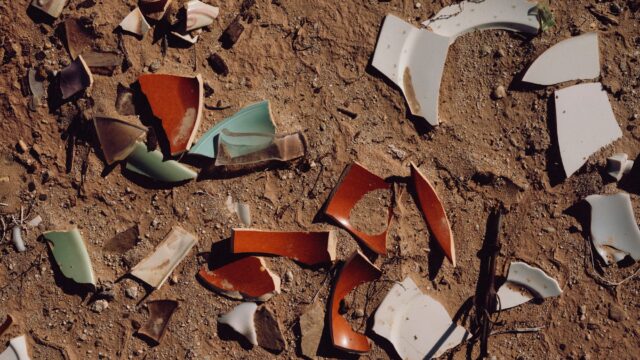
The material comes from el-Wad Terrace on Mount Carmel, Hayonim Terrace in Galilee and Eynan-Mallaha in the Upper Jordan Valley. The team did not dig new trenches. Instead, the researchers re-examined existing collections that held tens of thousands of small pieces of heated clay and sediment from the three settlements. Those pieces had previously been linked mostly to the making of mineral pigments.
Microscopic examination of the objects showed fingerprints, palm impressions and fingertip depressions, along with marks from shaping, smoothing, grooving and incision. According to the report, the fingerprints and other traces indicate that children as well as adults made clay objects.
Birds, a gazelle and human forms
Eleven of the 15 figurines represent birds. Some appear to be waterfowl such as ducks, geese or swans, and others may depict birds of prey. Several have cylindrical necks and downward-facing heads, a posture the researchers suggest could represent courtship displays seen in waterfowl. The remaining figurines include other animals and human forms.
Two fragments are interpreted as hoofed animals, and one may show a mountain gazelle. Small impressions in the clay suggest that perishable material, possibly twigs, was pushed in to stand for horns or antlers. If that reading is correct, the piece would be among the earliest known composite figurines from Southwest Asia, combining clay with perishable materials.
Two human figures came from Eynan-Mallaha. One shows the upper body with modeled arms. The other is a stylized face that may once have carried decoration made from grasses, fibers, hair or feathers.
Traces of color and an early coating technique
Many of the objects carry traces of color. Ten of the eleven bird figurines have red coloring. One Early Natufian example was covered with an iron-rich clay slip, known as an engobe, which may have been applied and smoothed with a finger. An uncolored diagonal line seems to have been made by using plant fiber as a stencil. The study says this is the earliest known evidence of an engobe coloring technique.
What is still unclear
Several points remain open. All of the clay objects had been heated, but the researchers do not know whether they were fired on purpose, warmed by nearby fires or burned by accident after they were buried. Further analysis will examine their heating histories and try to establish the temperatures they were exposed to.
The identification of the 139 cylindrical pieces rests on interpretation: the study calls them probable fragments of figurative objects. The horn and antler reading and the courtship-posture idea are likewise suggestions from the researchers, not settled conclusions. The report does not describe any independent assessment by other archaeologists.
Why it matters for the history of symbolic art
Figurative use of clay in Southwest Asia was generally associated with later Neolithic societies, the period when fully agricultural communities developed. The newly identified group points to a mature clay figurative tradition much earlier, among hunter-gatherers who were moving toward settled life. The recurring forms across the sites indicate to the researchers an established tradition, not isolated experiments.
The researchers say the findings push part of the region’s so-called “revolution of symbols” back into Epipalaeolithic times. In their view, developments in symbolic expression and clay technology were already under way before agriculture emerged.
Source: HeritageDaily