Why Fresh Snow Is Quiet and Cold Snow Squeaks: The Physics of Sound
Fresh snow is quiet because its air-filled pores soak up sound. Cold snow squeaks as ice grains snap under your boots. Here is how both effects work.
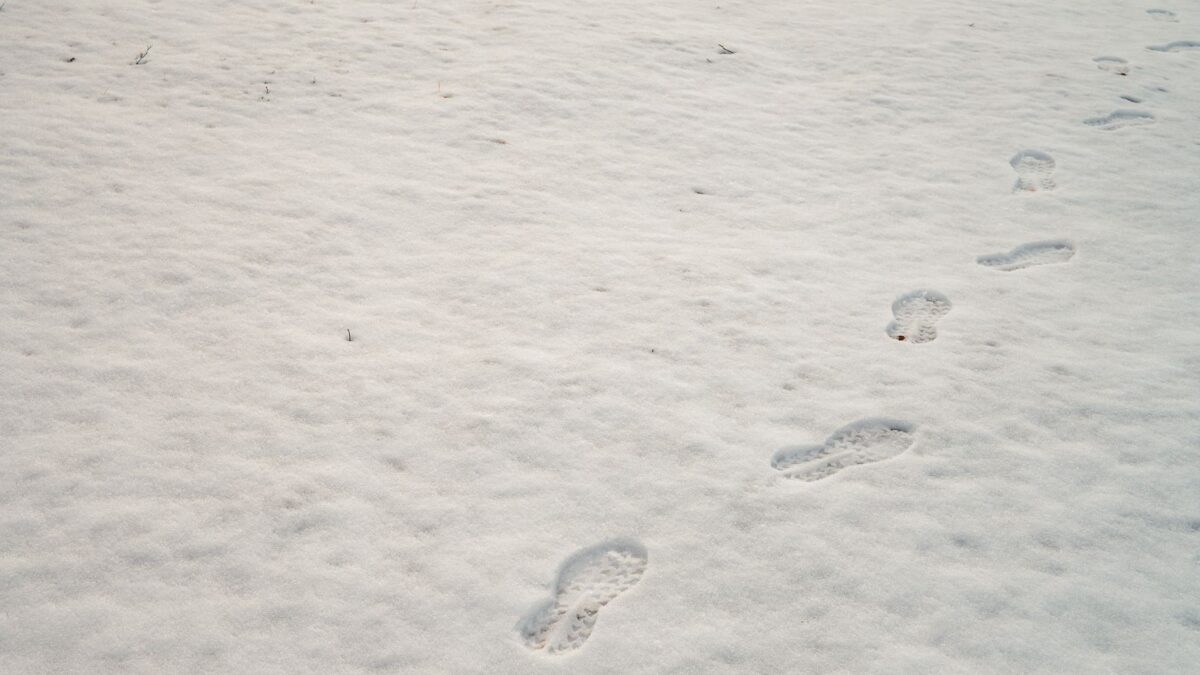
Fresh snow makes the world sound quiet because a new snow layer is mostly air trapped between loose ice crystals, and those tiny open pores absorb sound waves instead of bouncing them back. Snow squeaks underfoot when it is very cold, roughly 14°F (-10°C) and below, because the ice grains are hard and dry enough to snap and grind against each other when you step on them. Warmer snow near freezing tends to crunch softly or compress with almost no sound at all.
Why does fresh snow make everything so quiet?
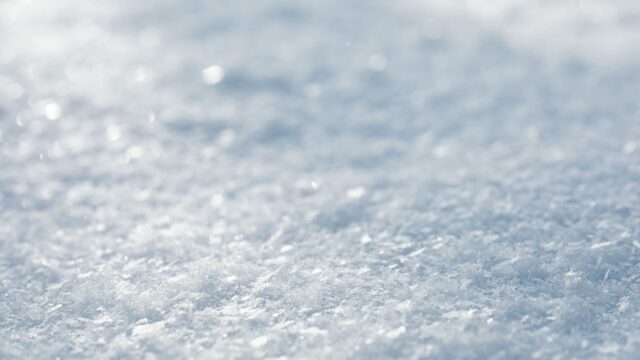
A blanket of fresh snow works like acoustic foam. Newly fallen flakes pile up loosely, with their arms and branches holding open a maze of small air pockets. When a sound wave hits that surface, much of it travels into the pores, where friction against the ice crystals turns its energy into a tiny amount of heat. Less sound reflects back toward your ears.
The effect is strongest right after a snowfall, while the layer is deep and fluffy. Light, powdery snow holds far more air than heavy wet snow, which is one reason powder days feel so hushed. You can see how much the air content varies in our guide to how much powder and wet snow weigh.
Other things add to the silence. Fewer cars are on the road, people stay indoors, and snow covering hard pavement, roofs and walls removes many of the surfaces that normally echo street noise around a neighborhood.
Why does cold snow squeak when you walk on it?
Cold snow squeaks because your weight crushes and slides hard ice grains past one another, and the grains break and rub with a sharp, high-pitched sound. At very low temperatures the crystals are stiff and brittle, so each one fractures with a small snap. Thousands of those snaps under a boot add up to the familiar squeak or creak.
Closer to the freezing point, the surfaces of ice crystals behave differently. A very thin, slippery layer forms on ice near 32°F (0°C), and the grains slide and squash together instead of snapping. Snow in that range packs well into snowballs and makes a muffled crunch, or almost nothing.
People in cold climates often use the squeak as a rough thermometer. A loud, dry squeak usually means a frigid morning, and a soft crunch means the air is near freezing. The exact point where squeaking starts varies with the type of snow, how old it is and how hard you press, so treat it as a rough guide only.
What temperature does snow start to squeak?
Snow usually starts to squeak at around 14°F (-10°C) or colder, and the sound gets louder and sharper as the temperature drops further. There is no exact switch. Fine, dry snow that fell in very cold air squeaks more easily than coarse grains that have partly melted and refrozen. Snow can fall at temperatures well below freezing, as explained in our article on how cold it has to be to snow, and that cold, dry snow is the kind most likely to squeak later.
Does old snow stay quiet too?
Old snow is usually much less quiet than fresh snow. Over days, snow on the ground settles and packs down. Wind breaks the delicate crystals, sunshine and mild spells melt the surface, and nighttime cold refreezes it into a crust. All of this closes up the air pockets that absorbed sound.
A hard, icy crust can do the opposite of fresh powder and reflect sound well. On a still night over frozen snow, voices, dogs and traffic can seem to carry a long way. Packed snow on a sidewalk also changes how footsteps sound, from a soft hush to a crunch or squeak.
- Fresh, fluffy snow: high air content, absorbs sound, very quiet.
- Settled or wind-packed snow: fewer open pores, less absorption.
- Icy crust after a thaw and refreeze: hard and smooth, reflects sound.
- Wet snow near freezing: dense and soft underfoot, little squeak.
Why do sounds sometimes travel farther on cold, snowy nights?
Sounds can carry farther on clear, calm winter nights because of a temperature inversion, a layer of cold air near the ground with warmer air above it. Snow cover helps form one: snow radiates heat into a clear sky at night, so the air touching it chills fast. Sound travels faster in warmer air, so waves heading upward bend back down toward the ground and reach listeners who would normally not hear them.
This is a separate effect from absorption. During and right after a snowfall, the air is often cloudy and mixed, and fresh snow on the ground soaks up noise, so the world sounds muffled. On a cold, clear night days later, with a hard crust and an inversion, the same place can sound unusually clear and far-reaching. The National Weather Service explains inversions and winter weather patterns for US forecasts.
How is the sound of snow linked to how snow looks?
The same loose structure that absorbs sound also makes snow look white. Light enters the snowpack and bounces off countless crystal faces and air gaps until it scatters back out in all directions, as described in our piece on why snow is white while ice is clear. A solid block of ice has no air pockets, so it is clear to light and hard and reflective to sound. Fresh snow is the opposite on both counts.
Quick answers
Is snow really quieter, or does it just feel that way?
Fresh snow does absorb sound. Its porous, air-filled structure takes in sound energy instead of reflecting it, and fewer people and cars are out during a snowfall, so both the source and the echo of noise drop.
Why does snow crunch instead of squeak sometimes?
Snow near the freezing point is softer and has slippery crystal surfaces, so grains slide and compress rather than snapping. The result is a dull crunch. In very cold, dry snow the brittle grains break and grind, which makes the squeak.
Can packed snow squeak too?
Yes. Packed snow on a path will squeak in very cold weather as boots press and twist the hard grains together. Snowplow banks and tire tracks often squeak loudly on frigid mornings for the same reason.
Does falling snow make any sound?
Falling snowflakes are nearly silent to the human ear because they are light and land slowly. Wet snow and sleet hitting hard surfaces such as car roofs or windows can make a soft tapping or hiss.
Site editor: Nikita Sheikin