What Happens When the ISS Retires: Deorbit Plan and Replacements
The space station has an end date and a plan for its last trip. NASA also has a competition under way to buy space on privately built stations that would follow it.
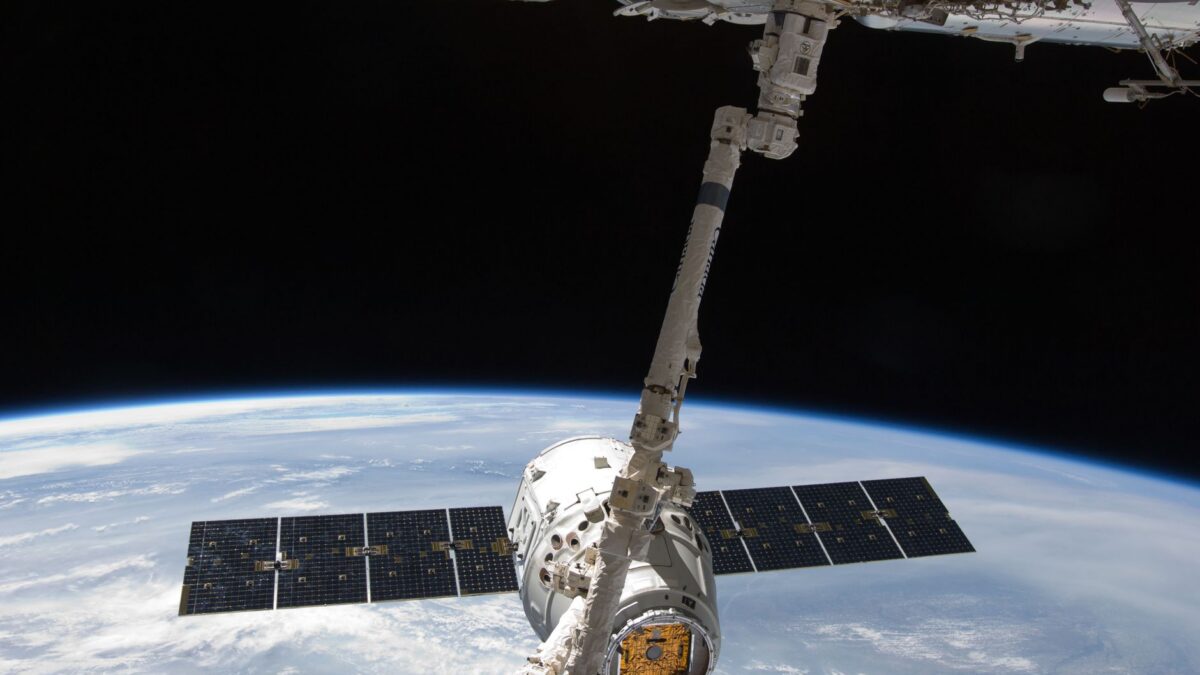
NASA plans to operate the International Space Station through 2030 and then guide it into a controlled reentry over a remote part of the ocean. A spacecraft called the U.S. Deorbit Vehicle, which SpaceX is building under a NASA contract worth up to $843 million, will push it down. NASA intends to replace the station with commercially owned stations.
Each step has a target date, not a fixed one. The timeline depends on the deorbit vehicle, on the partner countries and on whether a commercial station is ready in time.
When will the International Space Station retire?
The space station is planned to retire at the end of 2030. As of November 2026, NASA says the United States, Japan, Canada and the participating countries of the European Space Agency have committed to operating the station through 2030. Russia has committed through at least 2028.
NASA’s planning documents have assumed the final reentry in early 2031, after the crew has left. In its 2024 deorbit analysis, NASA also said that an extension of station operations is possible if no commercial destination is ready to meet its needs in low Earth orbit by 2030.
| Milestone | Status as of November 2026 |
|---|---|
| Deorbit vehicle contract | Awarded to SpaceX in June 2024, potential value up to $843 million |
| Partner commitments | U.S., Japan, Canada and ESA through 2030; Russia through at least 2028 |
| Commercial station competition | Final request for proposals released October 9, 2026; proposals due December 8, 2026 |
| Commercial station contract awards | Expected by NASA in spring 2027 |
| End of station operations | Planned for 2030 |
| Controlled reentry | Planned after operations end; NASA documents have assumed early 2031 |
How will NASA bring the space station down?
NASA will lower the station’s orbit in stages and then fire the deorbit vehicle for a final push that sends it into the atmosphere over a remote stretch of ocean. Most of the station will burn up during reentry. Surviving pieces are expected to fall in an uninhabited area.
The station is too large for a natural, unguided reentry to be safe. At more than 400 tons, it would break apart over an unpredictable area if left to decay on its own. The deorbit vehicle exists to control where the debris lands.
NASA selected SpaceX in June 2024 to build the vehicle. Under the contract, NASA takes ownership of the spacecraft after it is built and operates it during the mission. The launch of the vehicle is bought separately.
In its 2024 analysis, NASA also looked at boosting the station to a higher orbit or taking it apart and bringing pieces home. It rejected both and chose a controlled reentry.
What will replace the ISS?
NASA plans to replace the ISS with privately owned commercial space stations, where it would buy crew time and research services as one customer among several. The agency wants to keep a continuous U.S. presence in low Earth orbit after the station retires.
On October 9, 2026, NASA released its final request for proposals for these stations. Proposals are due December 8, 2026, and NASA expects to award contracts in spring 2027. NASA plans fixed-price contracts with several winners. Two or more companies would be picked for early development, followed by a competition for final design, testing, certification and services.
No company has been selected yet. Several U.S. firms have worked on commercial stations in recent years:
- Axiom Space, which holds a NASA agreement to attach its own modules to the ISS before they separate into a free-flying station.
- Vast, which is building a small single-module station called Haven-1 and has said it is aiming to launch it no earlier than early 2027.
- Starlab, a joint venture led by Voyager Technologies.
- Blue Origin, which proposed a station called Orbital Reef with partners.
Whether one or more of these companies wins a NASA contract will be clear only after the 2027 awards. Plans and dates for each project have changed more than once, so check the company and NASA announcements for the latest. Our explainer on how NASA contracts work covers what an award means.
Will there be a gap without a U.S. space station?
A gap is possible if no commercial station is ready by the time the ISS is retired. NASA’s Office of Inspector General warned in an earlier report that a long gap would force NASA to accept more health risk for deep space missions or to delay them, since much of that research happens on the station.
NASA has two levers to avoid it. It can extend station operations, which its 2024 analysis left open, or it can time the deorbit around the first commercial station. Either choice depends on budgets set by Congress and on agreements with the partner countries.
What happens to the astronauts and research?
Crews will keep rotating to the station until close to the end of operations. The last crews will leave before the final lowering of the orbit. Research that needs months in orbit, such as studies on bone and muscle loss, is expected to move to the commercial stations NASA buys services from.
Until then, crews keep flying on Crew Dragon and Soyuz. Our guide on how long astronauts stay on the ISS explains how rotations work, and you can still see the station from your backyard on clear evenings.
Bottom line
The ISS is planned to operate through 2030, with Russia committed through at least 2028. After that, a SpaceX-built deorbit vehicle owned by NASA will steer it into a controlled reentry over a remote ocean, with NASA documents assuming early 2031. NASA’s competition for commercial replacement stations has proposals due December 8, 2026, and awards expected in spring 2027.
FAQ
Where will the ISS crash?
NASA plans a controlled reentry over a remote, uninhabited area of the ocean. Most of the station will burn up in the atmosphere, and any surviving pieces are expected to fall far from people and shipping.
Why not boost the ISS higher and keep it?
NASA studied boosting the station into a higher orbit in its 2024 deorbit analysis. It concluded that a controlled reentry was the safer and more practical choice for a structure of this size and age.
Who is building the ISS deorbit vehicle?
SpaceX is building the U.S. Deorbit Vehicle under a NASA contract awarded in June 2024, with a potential value of up to $843 million. NASA will own and operate the vehicle once it is delivered.
Could the ISS stay up longer than 2030?
It could. NASA’s 2024 deorbit analysis says an extension is possible if no commercial destination is ready by 2030. Any extension would need funding from Congress and agreement from the partner countries.