Drought Puts 7 in 10 Cactus Species on Track to Lose Habitat
A Nature study finds 7 in 10 cacti may lose habitat by century's end once severe drought is modeled. How the forecast was built and what is still unknown.
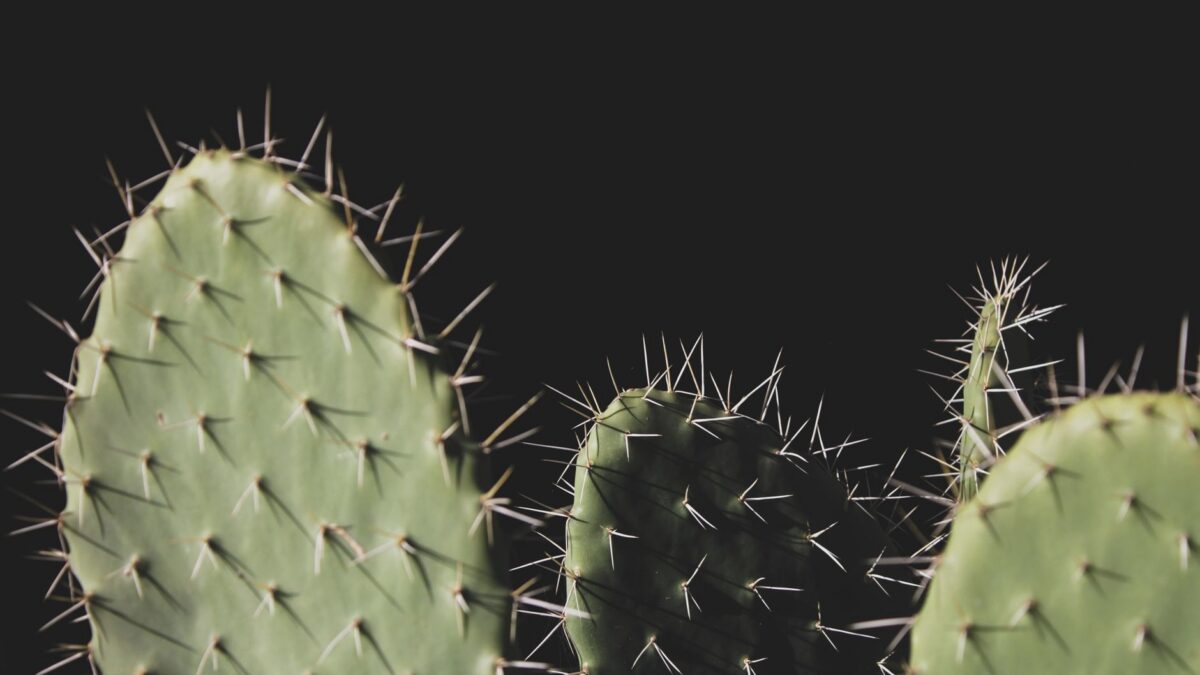
About 7 in 10 cactus species are expected to lose part of their habitat by the end of the century once severe droughts are added to climate models, according to a study published last week in the journal Nature. Up to 35% of cacti may lose four-fifths of the area where they can grow, a loss that could qualify those species as critically endangered under International Union for Conservation of Nature (IUCN) Red List standards.
The research team, led by Michiel Pillet, now a postdoctoral researcher at the University of South Florida, says the study is among the first to use a standardized drought dataset to forecast where species will be able to live in the future. The University of Florida announced the results.
Adding drought to an older cactus forecast
In 2022, scientists published a study predicting that 60% of the 408 cactus species they examined would lose some of their range by the end of the century. Like most climate studies, it modeled changes in global average temperature and rainfall. It had no way to estimate how often rare events such as droughts and floods would strike in the future.
Extreme weather is much harder to model than average climate, Pillet said, so biodiversity forecasts have mostly gone without it. He noted that the idea of extreme weather shaping where species live goes back to Darwin.
Three years later, a separate group of researchers released a global dataset of past and projected droughts covering 1980-2100. Pillet and his colleagues then rebuilt their analysis. They grew the number of cactus occurrence records from 187,439 to 648,316 and the number of species from 408 to 993, added the drought layers to their climate models, and ran the projections again.
This is a modeling study. It predicts how much suitable growing area each species will have under future conditions; it does not count plants in the field.
How the numbers changed with drought included
- The share of cacti expected to lose at least four-fifths of their suitable area rose from 1-15% to 25-35%.
- The share expected to lose any habitat went from six in ten to seven in ten.
- When the models also assumed that cacti cannot move to keep pace with shifting conditions, that share climbed to 85%.
The researchers say the no-migration scenario is realistic for many cactus species, because their seeds usually spread only a short distance from the parent plant.
Why it matters for desert plants
Droughts and floods are expected to become more frequent and more intense as the climate changes, but they are hard to predict and are usually left out of climate projections. The study suggests that leaving them out can make the outlook for some species look much better than it is. For cacti, a group often seen as built to handle heat, adding drought turned a forecast of limited losses into one where 25-35% of species could lose four-fifths of their suitable area.
Pillet said the modelers on the team were surprised by the results, while co-authors who do field work were not. “They’re already seeing the effects of severe drought,” he said, pointing to the Sonoran Desert and the Atacama Desert.
Field reports from the Sonoran and Atacama deserts
One of those co-authors is Lucas Majure, herbarium curator and cactus specialist at the Florida Museum of Natural History. He has worked with cacti in both deserts and has brought back firsthand accounts of recent environmental damage there, according to the University of Florida.
Source: News | University of Florida