Mongol Invasions of Japan: How Typhoons Wrecked Kublai Khan’s Fleets
Kublai Khan sent fleets against Japan in 1274 and 1281, and typhoons wrecked both. What happened, how big the fleets were and where kamikaze comes from.
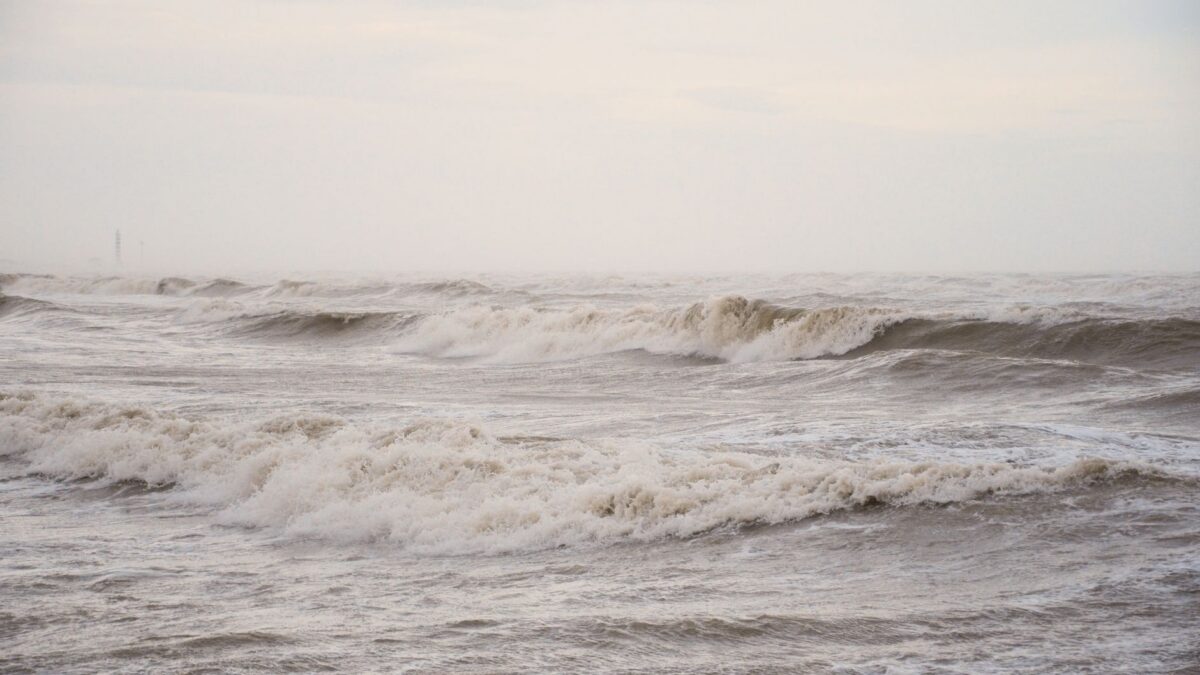
Kublai Khan, ruler of the Yuan dynasty, sent invasion fleets against Japan twice, in 1274 and 1281, and both attempts failed after typhoons struck the ships off northern Kyushu. The storms gave Japanese the word kamikaze, “divine wind,” and the defeats set a limit on how far the Mongol Empire could expand. Accounts of the fleets’ size vary, and modern historians dispute the largest figures.
Why did Kublai Khan want to conquer Japan?
The plan grew out of the Mongol conquest of Korea. After a long series of invasions of the Korean peninsula between 1231 and 1281, the kingdom of Goryeo signed a treaty that made it a Mongol vassal. Kublai had been declared Khagan, or supreme ruler, of the Mongol Empire in 1260 and set up his capital at Khanbaliq, in what is now Beijing, in 1264. Japan, across a narrow sea from Korea, was the next target.
Japan at the time was run by the Hōjō clan, who governed as regents (shikken) for the shogun of the Kamakura shogunate. By then the inner circle of the clan made decisions at private meetings in their own homes rather than through the shogunate’s council or the imperial court in Kyoto.
How did Japan answer the Mongol demands?
Mongol and Korean envoys traveled to Japan six times between 1266 and 1273 to demand that it submit, and each time the Japanese ignored them. One embassy was kept at an inn outside the city for five months and then sent away with no reply. Kublai’s letter, addressed to the “King of Japan,” called Korea an eastern tributary state and asked Japan to open friendly relations, closing with the question of who would want to resort to arms.
In early 1269 a mission of 70 Koreans and Mongols landed on Tsushima Island to press for an answer. The imperial court wanted to reply, but the Kamakura shogunate overruled it, according to the Wikipedia account of the Mongol invasions of Japan.
What happened in the first invasion in 1274?
In autumn 1274 a fleet of 500 to 900 ships carrying 30,000 to 40,000 men sailed for Japan. The invaders took the Japanese settlements on Tsushima and Iki islands, then landed at Hakata Bay on Kyushu, where samurai clans fought back hard. The Mongols pushed several miles inland but pulled back to their ships, either because of the resistance or because of supply problems.
While the fleet was in Hakata Bay, a typhoon hit it. An estimated 13,000 men drowned, about one-third of the ships sank, and the rest were damaged.
The fighting is also one of the earliest known uses of gunpowder in war outside China. Hand-thrown explosive bombs were among the new weapons used.
How did Japan prepare for a second attack?
In the years between the invasions, the Japanese built the Genkō Bōrui, a stone wall about 2 meters wide and 2 meters tall that ran for around 20 kilometers along the shore of Hakata Bay. Its job was to deny an invading army an easy place to come ashore.
What sank the fleet in 1281?
The Mongols returned seven years later with a much larger force. It came in two parts, with an estimated total of 4,400 ships and 140,000 men, against an estimated 40,000 samurai and other Japanese fighters. One often quoted description gives “more than four thousand ships bearing nearly 140,000 men” and calls it the largest attempted naval invasion in history until D-Day in Normandy in 1944. Modern historians often dispute those numbers.
The wall worked. Unable to find a good landing beach, the fleet stayed at sea for months and used up its supplies while it searched. Then a great typhoon destroyed it. At least half the men died, only a few hundred ships survived, and the Japanese killed most of the survivors. More than 70,000 men were said to have been captured. The Mongols never attacked Japan again.
Wrecks from this fleet still lie on the seabed. Our report on a wreck from the 1281 fleet off Takashima covers one recent find from underwater excavations there.
Where does the word kamikaze come from?
According to the Wikipedia article on the kamikaze typhoons, the two storms of the 13th century were the first time typhoons were called a “divine wind,” as much for their timing as for their strength. The rise of Zen Buddhism among samurai at the time helped shape that reading. Kamikaze is the native Japanese reading of the characters; the Sino-Japanese reading, shinpu, was used more often through history.
Popular myths of the time credited the thunder god Raijin with turning the storms on the Mongols, and other versions name Fūjin, Ryūjin or Hachiman. In the 20th century, during the last years of World War II, the word was revived for Japanese pilots who crashed their planes into enemy warships, as nationalist propaganda that cast them as a new divine wind. That later meaning is the one most English speakers know.
Quick answers
How many times did the Mongols invade Japan?
Twice, in 1274 and 1281. Both invasions targeted northern Kyushu and both ended in Japanese victory.
Did the typhoons alone defeat the Mongols?
No. In 1274 the invaders were already withdrawing after hard fighting at Hakata Bay when the storm struck. In 1281 the coastal wall kept the fleet at sea for months, which left it exposed when the typhoon came.
Who fought in Kublai Khan’s army?
The forces came from the Yuan dynasty and from Goryeo, the Korean kingdom that had become a Mongol vassal.
Where can you see other finds from Japan’s past?
Excavations on land keep turning up remains from Japan’s past, including octagonal building foundations found by archaeologists.
Checked against official sources in November 2026. Hours, prices and rules change: confirm on the official page before you go or apply.