Menorcan Cave Pots Hold 2,000-Year-Old Milk and Wine Residues
Residues in 34 vessels from a Menorca cave show most held dairy, while a few held imported wine. A baby bottle turned up in the burial chamber.
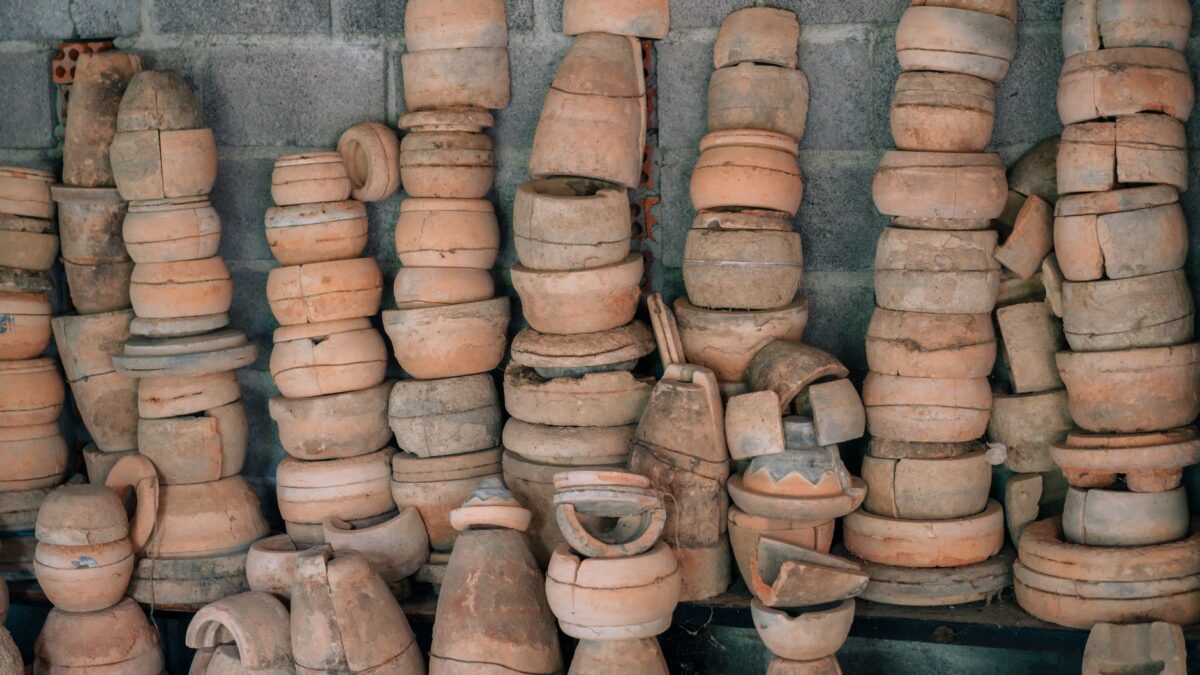
Chemical traces left inside 34 ceramic vessels from a cave complex on the Spanish island of Menorca show that most of them held dairy products about 2,000 years ago. A smaller group of pots held imported wine, according to a statement from the Autonomous University of Barcelona.
The dairy vessels were made in the island’s own style, with a high base and a limited capacity. Animal fats and vegetable oils turned up in the residues too.
What the residues showed
Wine residue appeared on a few locally made pottery fragments. It also appeared in vessels whose styles came from other Mediterranean cultures. The team read this as evidence of contact between islanders and people from elsewhere. Sònia Carbonell of the Barcelona Supercomputing Center said the findings reveal “complex, interwoven relationships” between local communities and outsiders.
Carbonell added that the islanders took up foreign pot shapes yet kept filling them with wine, the drink those shapes were first made to hold.
Where the pots were found
Most of the vessels came from the courtyard at the cave’s entrance. The researchers think they were used as offerings, at shared meals, or in commemorative practices.
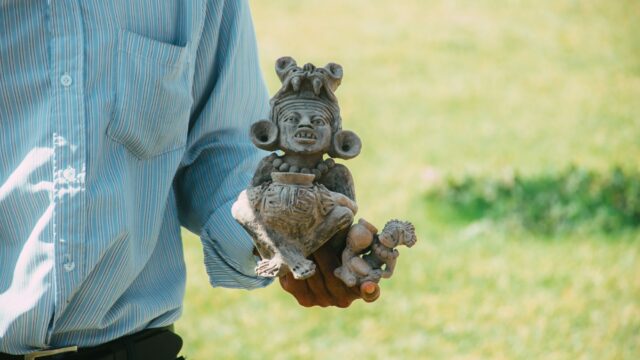
One vessel was found inside the cave’s burial chamber, and it held milk. The team thinks it served as a baby bottle. Margalida Coll of Pompeu Fabra University said it points to the care of infants, a practice that also found a place in funeral rituals.
Coll said the bottle speaks of people feeding infants. The burial chamber setting, in her reading, means those practices were folded into funerary ritual as well.
What the mix of vessels suggests
The pots split into two groups. The dairy containers kept the Menorcan shape, while wine turned up in both local and imported styles. A few of the wine residues sat on pottery fragments made on the island itself, which shows that foreign forms were copied locally and kept their original job.
That pattern is what the researchers use to describe the island’s exchange with other Mediterranean cultures. Islanders borrowed the look of the vessels and the wine tradition together, while milk stayed in pots of their own design.
How sure is this?
The work is described in the Journal of Archaeological Science, and the university statement summarizes it. The sample was 34 vessels from one cave complex, so the results describe that site and cannot be assumed to hold for all of Menorca.
The reports do not say how many vessels held each substance, and the baby bottle reading is an interpretation of a single vessel. Whether the wine was drunk at the cave, left as an offering or used in some other way is also not stated. The researchers describe the uses of the courtyard pots as likely rather than established.
Source: Archaeology Magazine
Site editor: Nikita Sheikin