5,000-Year-Old Axes and Pots Show the Rhine Did Not Divide Europe
A Kiel University study in Germania finds pottery, double axes and collective graves connected Late Neolithic Europe across the Rhine 5,000 years ago.
About 5,000 years ago, communities on both sides of the Rhine shared pottery styles, prestige stone axes and ways of burying their dead, according to a study by Kiel University researchers published in the archaeological journal Germania. The findings cut against the long-held view that the river split prehistoric Europe into separate cultural worlds.
Sebastian Schultrich, an archaeologist with the ROOTS Cluster of Excellence at Kiel University, traced a communication network that ran from France and the Alpine region through Germany and Denmark to Scandinavia and Poland in the late fourth and early third millennia BC, a period known as the Late Neolithic.
Three kinds of evidence that look unrelated
The study puts together three sources that seem to have little in common at first: plain everyday pottery, distinctive stone axes with two cutting edges, and large graves used by whole communities. Schultrich argues that, read together, they show people across these regions exchanging traditions, objects and beliefs even though they lived hundreds of kilometers apart.
Plain pots that spread across borders
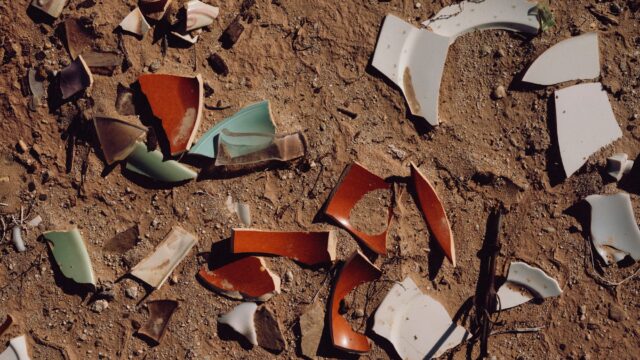
Archaeologists call this pottery coarse ware. The vessels were roughly shaped and mostly undecorated, and some carry only a small row of dots just below the rim. Next to the carefully made, decorated ceramics of groups such as the Funnelbeaker cultures of north-central Europe, these pots drew little attention and were often treated as having little cultural meaning.
Coarse ware became common from the middle of the fourth millennium BC across what is now central and northern France and the western Alpine region. Similar pots later appeared in western and northern Germany and in Denmark. Schultrich reads this as a slow drift toward shared styles. He said there are signs the convergence happened “gradually and unconsciously.” In his view, that points to frequent movement between communities and to cultural boundaries that were weak or kept shifting.
Double axes get a new date
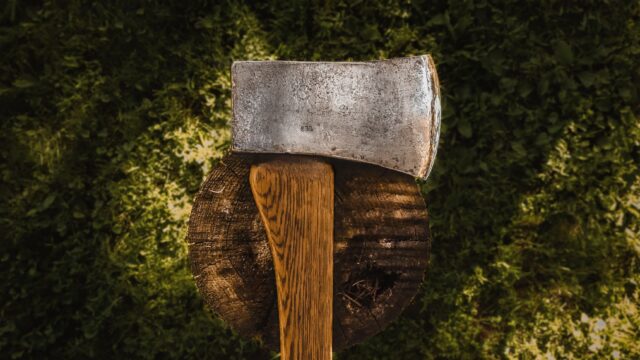
The second strand is a type of stone axe with a shaft hole and a cutting edge at each end. These elaborately made tools appear to have carried prestige, and examples have turned up from France through Central Europe into Scandinavia and Poland.
The age of the French axes had long been uncertain, so it was hard to say whether the finds belonged to one connected phenomenon. The new research places the French examples in the fourth and early third millennia BC, the same span as those found farther north and east. Schultrich said the dating “opens up entirely new possibilities for interpretation.”
The pottery likely converged without anyone planning it, while the axes may have spread on purpose, according to the study. That would make them a symbol or idea that people recognized on both sides of the Rhine.
Graves built for whole communities
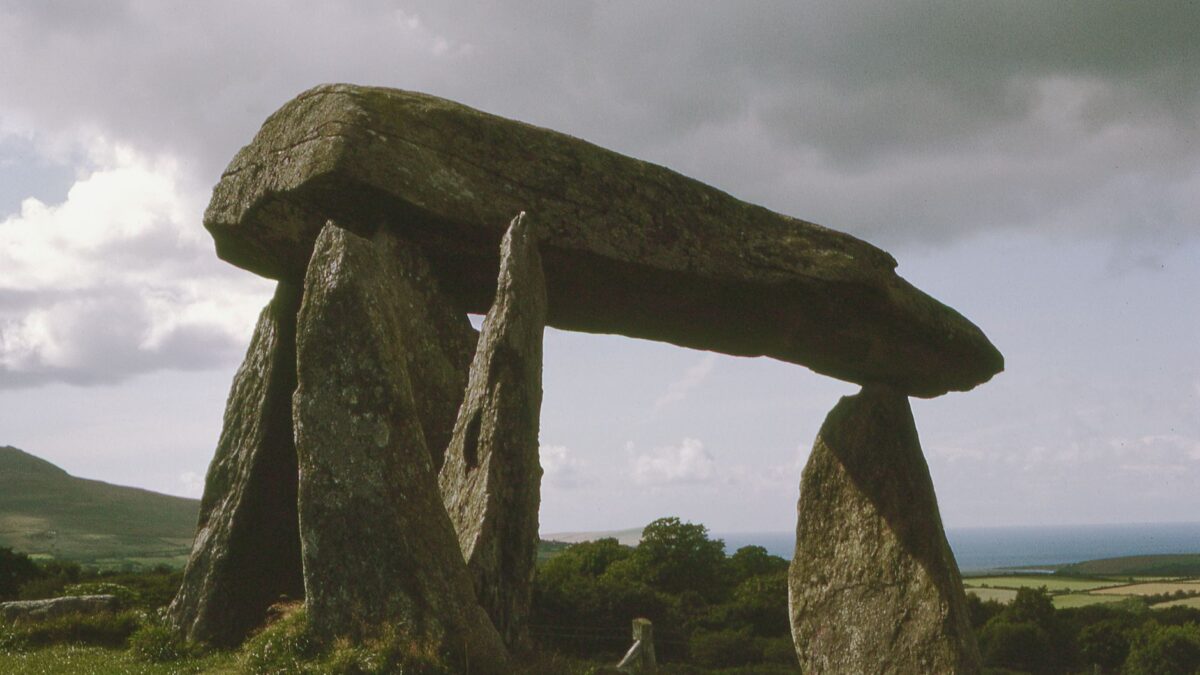
The third strand is burial. Across the same regions, people built large collective tombs, including passage graves and gallery graves. Their designs differed from place to place, yet they had features in common. They could hold dozens or even hundreds of people, stayed in use for several generations and were used for ceremonies and community gatherings.
The study suggests these monuments helped maintain social ties and collective memory. Their wide use points to distant communities holding similar basic ideas about death, ancestry and society, which each region expressed in its own way.
What it means for the picture of Neolithic Europe
Schultrich does not claim that Western, Central and Northern Europe formed one unified culture. He describes a network in which communities shared some basic concepts and kept strong local identities. He called it a network built on “fundamental narratives” that still left room for strong regional differences.
On that reading, the Rhine was not the rigid frontier it has sometimes been made out to be in the Late Neolithic. People, ideas and material traditions crossed the river as part of networks that covered large parts of the continent. Schultrich sees it as an early case of a layered identity, where a community belonged to a wider cultural world and kept its own regional traditions at the same time.
Source: HeritageDaily