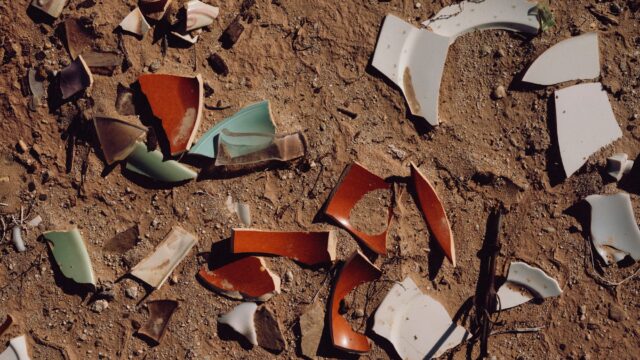
Clay Animals and Humans Made 15,000 Years Ago, With Children’s Help
Natufian clay figurines from three sites in Israel date back 15,000 years, and fingerprints show children helped make them. What the study found and why.
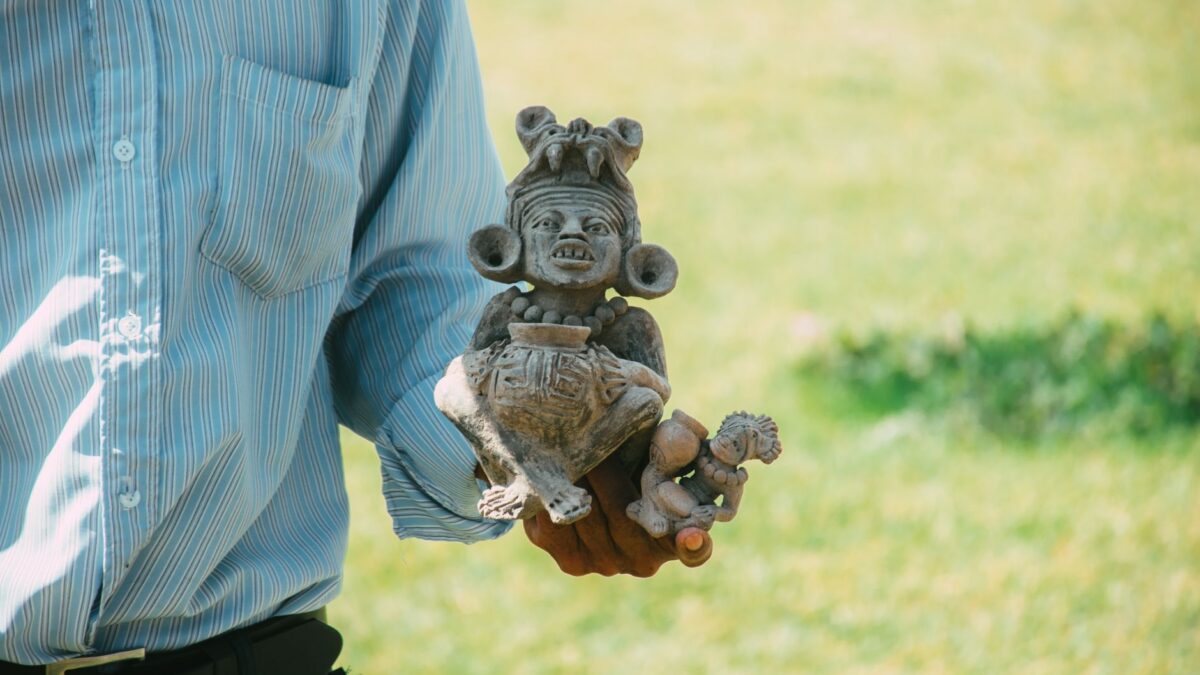
People in the Levant were shaping animals and humans out of clay as early as 15,000 years ago, thousands of years before farming, according to a study of figurines found at three sites in Israel. Fingerprints pressed into the clay show that children took part in making some of them.
The figurines belong to the Natufians, a culture that lived in the region between 15,000 and 11,500 years ago. The research was published in the journal PLOS One and announced by the Public Library of Science, as reported by Archaeology Magazine.
Birds, mammals and painted people
The clay pieces depict birds, mammals and humans. Researchers detected orange and red coloring on some of them. The objects are more complex than researchers had expected from people living at this early date.
Until now, the common view was that the first Natufian figurines were carved mostly from stone or bone. Clay was thought to have become a common material only later, around 11,500 years ago, as communities in the region began to farm. The new evaluation pushes regular clay work back to the start of the Natufian period.
How researchers found the children’s hands
The team studied fingerprints left in the clay when it was still soft. Fingerprint size changes with age, so prints from small hands point to young makers. Based on this analysis, the researchers concluded that children were involved in crafting the figurines. The published report does not say how many of the objects carry children’s prints or what share of the collection they represent.
Laurent Davin of the Hebrew University of Jerusalem worked on the study. He told the Public Library of Science that the finds change how scientists see the beginnings of artistic expression in the first villages. In his words, people were using clay “as part of the beliefs and knowledge of the natural world” long before agriculture and pottery appeared.
Who the Natufians were
Davin describes Natufian settlements as among the first villages of humanity, built before people in the region relied on planted crops. Their period ends roughly when farming took hold. That timing is what makes the clay figurines notable: working clay into figures was thought to belong mainly to farming societies, yet these villagers were already doing it.
Readers curious about how scientists fix ages for very old finds can see how researchers use rock layers, ash beds and isotopes to date fossils.
Why it matters
The study moves the start of clay figurine making in the region back by thousands of years and shows that art was part of village life before farming changed how people lived. It also gives a rare look at children in prehistory. Their fingerprints suggest that young people learned or shared in this craft, which tells archaeologists something about how skills and beliefs passed between generations.
Davin had already analyzed one notable piece from the same culture: a 12,000-year-old figurine that Archaeology Magazine described as telling one of the earliest known stories. The new work places that object within a much larger and older tradition of Natufian clay work.
What is still unclear
The figurines show what Natufians made, but their purpose is harder to read. Davin links them to beliefs and knowledge about the natural world, which is an interpretation by the research team. Exactly how the objects were used, and why children helped make them, remain open questions for further study.
Source: Archaeology Magazine