Study Finds Threatened Species Are 50% of Sharks Landed in Muncar
Half of the sharks landed at Muncar, Indonesia, belong to threatened species, a study in Oryx found. See how it was measured and what is still unknown.
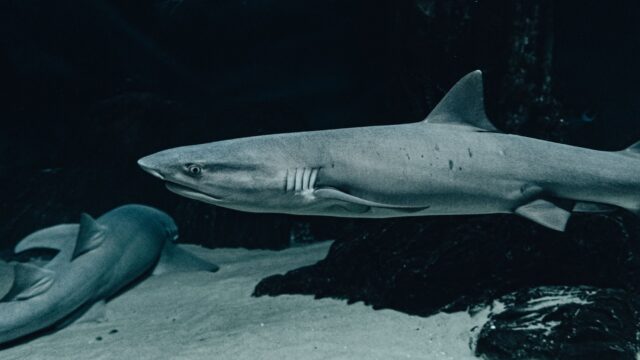
Half of the sharks landed at the Indonesian fishing port of Muncar between 2023 and 2024 belonged to species listed as threatened on the IUCN Red List, according to a study in the journal Oryx. The paper was reported by Mongabay. Scalloped hammerheads (Sphyrna lewini), which are critically endangered, made up 11.7% of recorded catches.
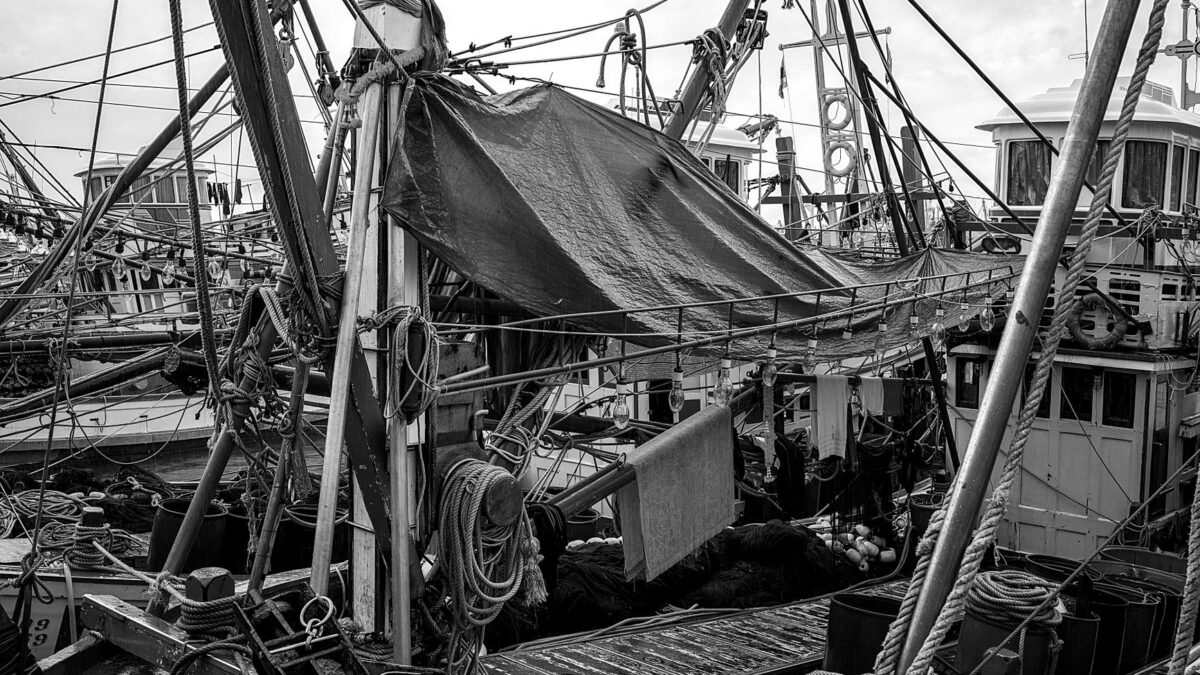
Muncar is a busy port on the southeastern coast of East Java province. A shark there can sell for as much as 1.5 million rupiah, or about $82, which gives fishers a strong reason to keep them.
How the team tracked shark catches in Muncar
The researchers combined catch records with interviews with fishers, landing data and GPS data. This let them work out which species were landed, where the boats fished and which fishing methods put threatened species at most risk.
A third of the species recorded were listed on CITES, the treaty that regulates global trade in protected wildlife. The five most frequently caught species are all threatened on the Red List. Besides the scalloped hammerhead, they are the silky shark, spinner shark and blacktip reef shark, all listed as vulnerable, and the pelagic thresher shark, listed as endangered. All five appear in CITES Appendix II, which means their international trade is highly restricted.
Corresponding author Osmaleli, a lecturer and researcher at the Bogor Institute of Agriculture (IPB), told Mongabay that the study looked at how sharks were caught: as a target species, or unintentionally alongside other fish, which is called bycatch. She said bycatch adds pressure on shark populations that are already threatened with extinction.
Which boats caught the most threatened sharks?
Longlines, lines several kilometers long with baited hooks, stood out as a concern. Of the 127 fishing vessels the team recorded operating from Muncar, only 14 used longlines. These boats specialized in shark fishing and were larger than the others, which mainly went after tuna and marlin and caught sharks as bycatch. The longline vessels also worked across a wider area, and they landed the highest number of threatened sharks.
Indonesia, whose waters are home to 117 shark species, is the world’s top shark-fishing nation, Mongabay reported. Demand comes from the domestic market and from overseas buyers including Hong Kong, Taiwan, China and Singapore. Shark meat is usually eaten locally, while fins and other products with commercial value go to traders.
A test of payments for releasing sharks
The team also tried a financial incentive. From February to September 2025, researchers paid fishers compensation for releasing live sharks caught as bycatch, with payments based on the sharks’ market value. CCTV cameras on the boats let the team confirm that sharks went back into the sea alive.
Few releases succeeded. According to Osmaleli, a shark hauled aboard can die quickly. Co-author Muhammad Ghozaly Salim, who leads the local nonprofit Mobula Project Indonesia, said some fishers owe debts to fish traders, which makes it harder to give up shark income. He said simply asking fishers to stop does little about that pressure. The payment scheme ended when the research funding did.
How sure is this?
The findings come from a study published in Oryx (DOI 10.1017/s0030605325102160) by a team that includes researchers from IPB and the Mobula Project Indonesia. The data cover one port over two years, 2023 and 2024, so they describe Muncar and cannot be applied to all of Indonesia’s shark fisheries. The release trial ran for about eight months and produced few live releases, so what it shows about incentives is limited. The study also did not settle how best to persuade fishers to reduce or stop catching threatened sharks.
A 2025 study on Alor Island in eastern Indonesia took a similar approach. Its authors wrote that livelihood interventions can create win-win outcomes for conservation and people when they are designed around local needs, interests, institutions and the wider socio-economic context.
What comes next
Salim said collecting data and monitoring catches are the first steps toward effective protection. Osmaleli said, “This is just the beginning.” Future work will examine the social and economic reasons behind shark fishing, including how fishers see threatened species and how shark catches contribute to their income.
Source: Mongabay
Site editor: Nikita Sheikin