Indian Scientists Name New 10-Foot Deep-Sea Bramble Shark Species
Indian scientists have named a nearly 10-foot deep-sea shark, Echinorhinus roinee, long mistaken for the Atlantic bramble shark. How DNA settled it.
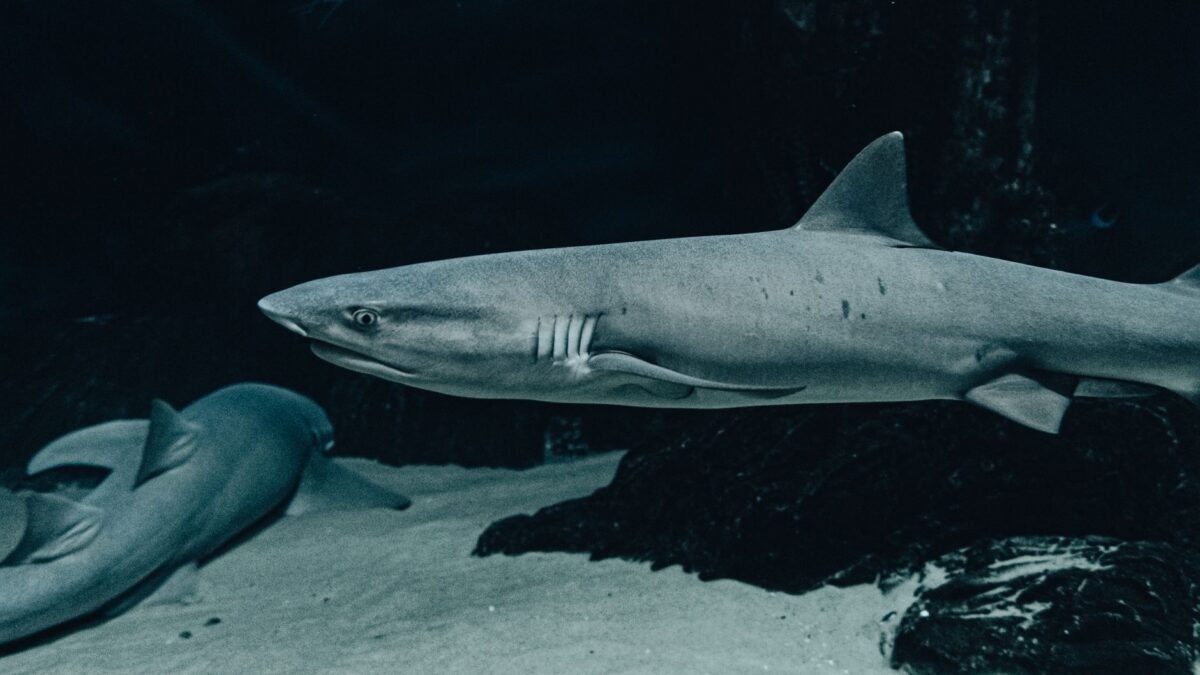
A dark, thorn-skinned shark nearly 10 feet (three meters) long that fishing crews have been landing on India’s southwestern coast for years is a species new to science, Indian researchers report. They have named it Echinorhinus roinee, the Indian bramble shark.
Until now the animals were recorded as Atlantic bramble sharks, a known species that lives thousands of kilometers away. The finding, published in the Records of the Zoological Survey of India and described by Forbes in a report carried by Yahoo, means older catch records from the Indian Ocean could be filed under the wrong name.
How a trawler catch turned into a new species
The sharks in the study came up in the nets of deep-sea shrimp trawlers. One specimen was landed at Sakthikulangara Fishing Harbour in Kerala, where nobody had reason to think it was anything other than the Atlantic species.
Scientists from the Zoological Survey of India (ZSI) and the ICAR-Central Marine Fisheries Research Institute compared the Indian specimens with other known bramble sharks. The anatomy differed. DNA analysis then indicated that the Indian sharks belong to a distinct evolutionary lineage, separate from both the Atlantic bramble shark (Echinorhinus brucus) and the Pacific prickly shark (Echinorhinus cookei). The physical and genetic evidence together supported naming a separate species.
The name honors Roinee, daughter of study co-author and ZSI Director Dhriti Banerjee. Reference specimens are now held in the National Zoological Collections in Chennai, so other researchers can check newly caught animals against them.
What a bramble shark looks like
Bramble sharks, the genus Echinorhinus, have thick bodies. Their skin carries thorn-like structures called dermal denticles, which are modified scales made of materials similar to those in teeth. In some individuals the denticles fuse into larger plates with several points.
They live in deep water and are rarely seen or caught, so little is known about their life history. According to the Forbes report, they are thought to grow slowly and mature late, as many sharks do. They share that dark habitat with the other animals that live in the deep sea.
Why it matters for counting sharks
Conservation assessments depend on knowing which species a record refers to. If two species are logged as one, a shark can look widespread across a huge stretch of ocean when the records really describe two smaller populations. One of them could decline in one region without anyone noticing.
The International Union for Conservation of Nature says more than one-third of assessed shark and ray species (approximately 31% to 37%) are threatened with extinction, with overfishing as the primary cause. The trawl fishery that supplied the specimens also puts pressure on a population nobody has measured.
What scientists still do not know
The Indian bramble shark’s population size, reproductive biology and ecological role are all unknown, so researchers cannot yet say how vulnerable it is to fishing.
Its range is also unsettled. Genetic records suggest the species may occur beyond Indian waters, possibly near Oman, Sri Lanka and Thailand. Confirming that will take more specimens and more genetic comparisons, the report said, and other historical bramble shark records from across the Indian Ocean may need a second look.
The paper appears in Records of the Zoological Survey of India, Volume 126, Issue 1S (2026).
Source: Yahoo