Turkey-Sized Hell Chicken Is Likely the First Fruit-Eating Dinosaur
Infernogallus jamesi, a 25-pound dinosaur from Hell Creek, chewed soft fruit like a parrot. How its skull reveals the diet and what it means for Cretaceous plants.
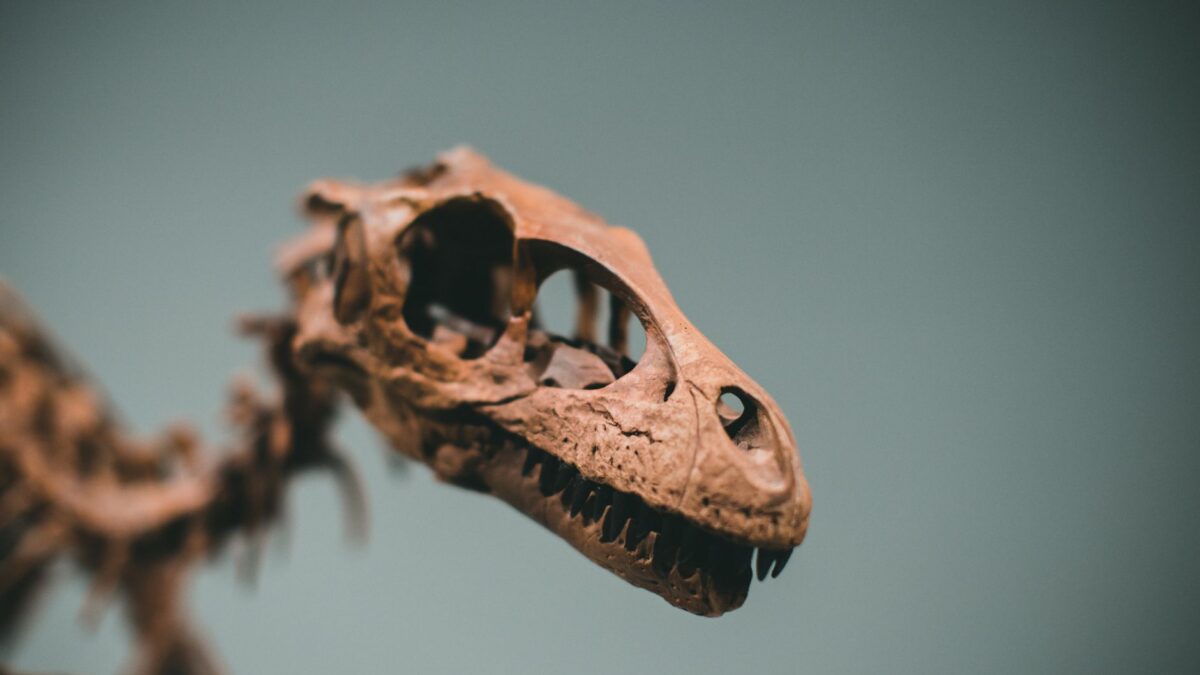
A turkey-sized feathered dinosaur that lived alongside Tyrannosaurus rex around 67 million years ago appears to have lived mainly on fruit, which would make it the first dinosaur with evidence of that diet. Researchers named it Infernogallus jamesi, a genus name meaning hell chicken, and described it in a study published Oct. 10 in the journal Nature Communications, Smithsonian Magazine reported.
The animal’s skull carries chewing adaptations seen today in fruit-eating parrots, and the team says its lineage began to specialize just as fleshy fruits were becoming larger and more common. That gives paleontologists a rare direct link between dinosaur evolution and the spread of flowering plants.
A small dinosaur from a famous fossil bed
The fossils, a nearly complete skull and part of a skeleton, came from the Hell Creek Formation, a rock layer packed with dinosaur bones that runs across Montana, the Dakotas and Wyoming. The genus name refers to that site and to the animal’s modest build. Its species name honors the grandfather of one co-author, the person who first got that scientist interested in paleontology.
I. jamesi weighed an estimated 25 pounds. It belonged to the caenagnathids, a group of two-legged, beaked and feathered dinosaurs, and was one of the smallest known members of that family.
How the skull points to a fruit diet
The researchers CT scanned the fossils and built a digital reconstruction of the skull. Three features stood out. Its mouth muscles let the jaw chew with a back-and-forth motion, a special joint allowed the lower jaw to slide forward, and the inside of the beak had ridges and grooves suited to mashing soft food.
That muscle arrangement exists today in mammals that chew in complex ways, humans included, and in some fruit-eating birds such as the vulturine parrot. “The anatomy of Infernogallus is bizarre among dinosaurs,” study co-author Thomas Dudgeon, an evolutionary ecologist at the Royal Ontario Museum in Canada, said in a statement. He told Reuters that scientists had suggested fruit-eating dinosaurs before without any evidence to support the idea.
Lead author Greg Funston, a paleontologist at Stony Brook University, told Science that the dinosaur probably ate drupes. These are fruits with soft flesh around a hard pit, much like modern cherries and peaches.
What it means for the age of dinosaurs
Popular images of the Late Cretaceous, some 66 million to 100 million years ago, usually split dinosaurs into meat eaters like T. rex and plant eaters like the giant long-necked sauropods. The new species adds a third kind of diet and suggests dinosaurs filled more ecological roles than scientists had assumed.
Steve Brusatte, a University of Edinburgh paleontologist who was not part of the study, told Science the species “finally reveals the face of a dinosaur fruit eater.”
The timing also matters for plant history. When Funston’s team traced the evolution of both the hell chicken’s lineage and drupes, they found the dinosaurs’ diet adaptations appearing as those fruits grew bigger and more plentiful. The fossil record shows flowering plants became the dominant vegetation on land during the Cretaceous. Flowers themselves evolved around 130 million years ago, and a study published in 2025 found that earlier plants drew in pollinating beetles with infrared heat.
An open question about seeds
Fruit-eating dinosaurs may have spread plant seeds in their droppings, the way many fruit-eating birds do now. Funston told Reuters that caenagnathids could have filled that role while big-seeded fruits were spreading, but he said the team wants more evidence before making that connection with confidence.
Source: Smithsonian Magazine