Fire Preserved Eight 5,000-Year-Old Loaves of Bread in Türkiye
Archaeologists at Seyitömer Mound in Türkiye found eight burnt loaves about 5,000 years old next to an oven, with wheat and lentils scattered around them.
Eight loaves of bread baked around 5,000 years ago have turned up at Seyitömer Mound in western Türkiye, charred but still recognizable as loaves. A fire that wrecked the building they were kept in turned them to carbon, and that is why they lasted, according to HeritageDaily, which cited the Turkish news agency AA.
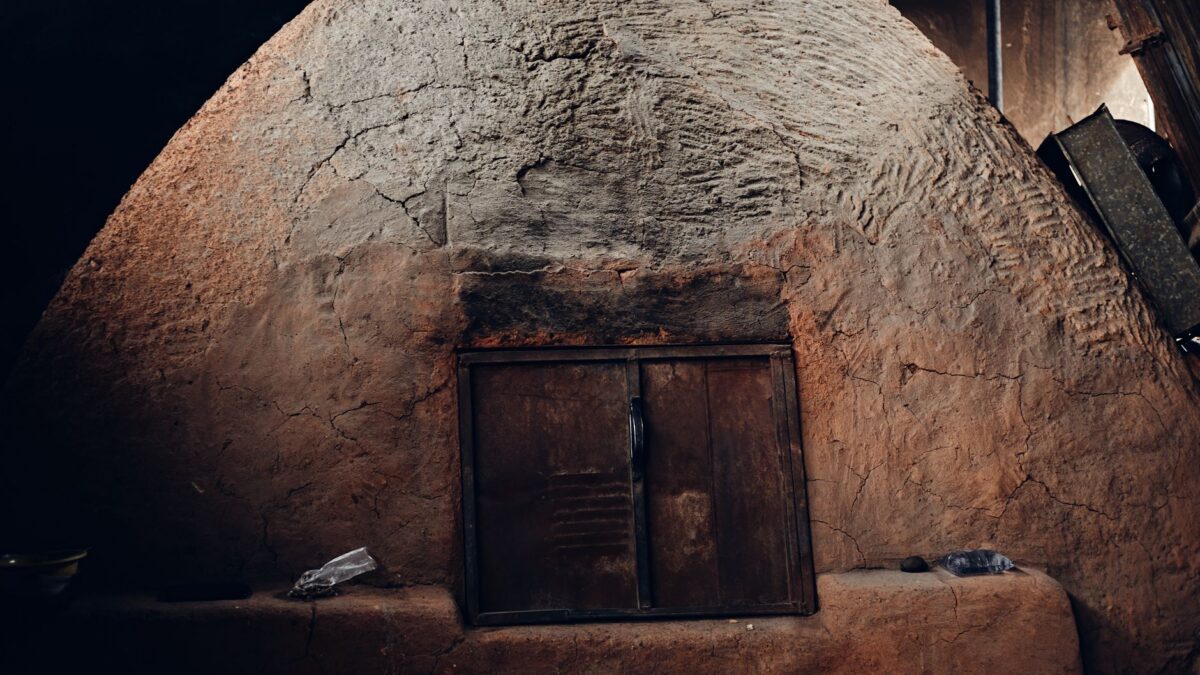
The team found them in a room with an oven and the remains of a wall shelf. Wheat and lentils lay around the bread. Archaeologists date the finds to the first quarter of the Early Bronze Age, and they are now on show at the Kütahya Archaeology and Mining Museum.
How a burning room saved the bread
The dig was led by Dr. Sevgi Gürdal, director of the Kütahya Museum. Her team found the carbonized loaves lying between the supports of a shelf that had fallen down. Gürdal said the layout points to a shelf that held bread and farm produce, probably in sacks or bags, before the fire. When the shelf gave way in the blaze, everything landed in a heap on the floor.
Food rarely survives in the ground. Pottery, stone and metal last for thousands of years, while bread and grain usually rot away. Carbonization changes that. Heat with little oxygen turns plant material into a charred form that microbes cannot easily break down, so the shape of a loaf or a lentil can last far longer than fresh food ever would.
What it means for the study of Bronze Age meals
The find shows that prepared bread sat next to stored wheat and lentils in this room when the building burned. That gives researchers direct evidence of what the people of Seyitömer ate and how they kept food indoors, near the oven where it was cooked.
Whole or mostly intact loaves are rare. Scientists who study ancient bread can sometimes work out which cereals went into it, how the grain was ground and how the dough was made. HeritageDaily did not report whether any such lab work has started on the Seyitömer loaves, so for now the main evidence is where they were found and what lay beside them.
Gürdal said the bread has become one of the museum’s most popular exhibits. Visitors mostly want to know how a loaf could survive for roughly five millennia. She described the mound’s finds as a record of “daily and social life, artistic understanding and dietary habits” of the period.
A site dug ahead of coal mining
Seyitömer Mound lies about 26 kilometers from the center of Kütahya, and its layers go back to around 3000 BC. Before excavation it stood about 26 meters high, 140 meters wide and 150 meters long.
Rescue digs began in 1989 because lignite, a soft brown coal, lies under the site. The Eskişehir Museum Directorate ran the first work, and the Afyonkarahisar Museum Directorate took over from 1990 to 1995. Kütahya Dumlupınar University’s archaeology department dug there from 2006 to 2014, and the Kütahya Museum Directorate has led the work since 2019. Earlier seasons sent more than 17,000 artifacts to the museum.
Current excavations are working through both the Middle Bronze Age and Early Bronze Age layers of the mound.
Source: HeritageDaily