Bennu Sample Shows Same Amino Acid Formed in Different Places
Penn State researchers found beta-alanine in Bennu and the Murchison meteorite differs inside the molecule, hinting at separate birthplaces.
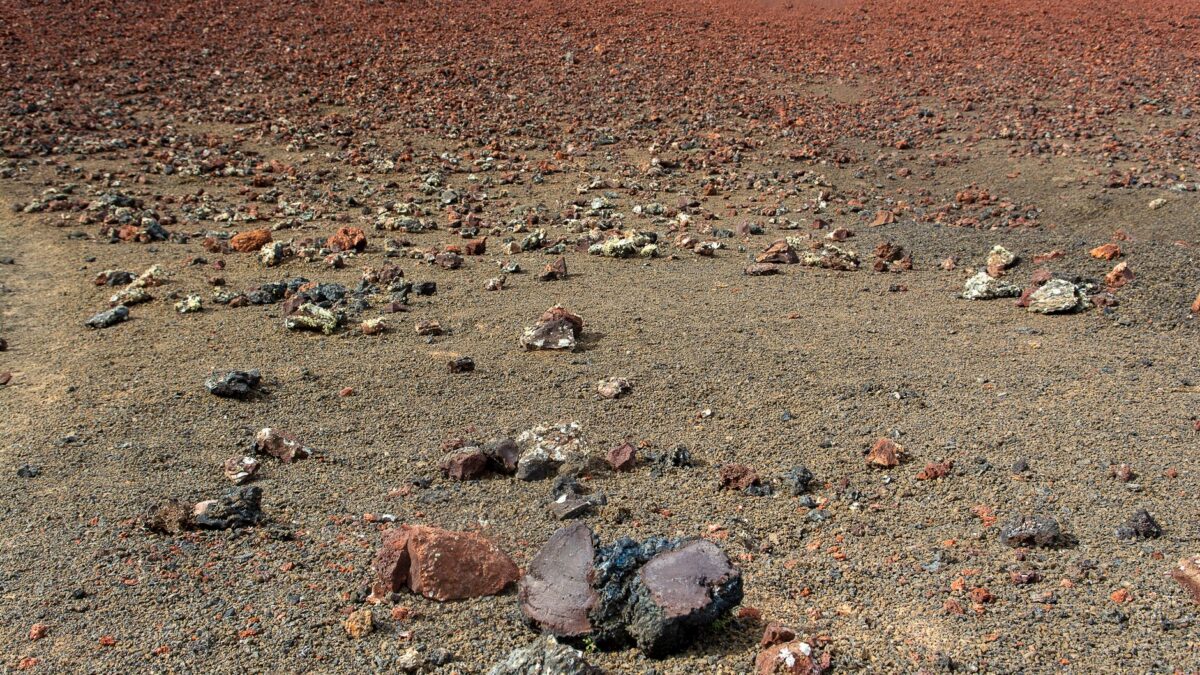
Beta-alanine from asteroid Bennu and from the Murchison meteorite carries almost the same average carbon signature, yet the carbon atoms inside the molecule differ sharply between the two, according to a study in Communications Earth & Environment. Researchers at Penn State say the gap suggests the same molecule formed in different parts of the disk of gas and dust that surrounded the young Sun.
Universe Today reported the work, led by Ophélie McIntosh, a former postdoctoral researcher in Penn State’s Department of Geosciences. Katherine Freeman, a Penn State professor of geosciences, is the project’s principal investigator.
What the team measured
NASA’s OSIRIS-REx mission brought a sample of Bennu back to Earth in 2023. Earlier examination found 14 of the 20 amino acids that Earth life uses to build proteins, along with four building blocks of DNA and RNA. Beta-alanine is not used to make proteins in Earth organisms, though it has other roles in living things.
The team compared beta-alanine in Bennu material with beta-alanine in Murchison, a meteorite that is held at the National Museum of Natural History in Washington, D.C. The Bennu sample was sealed in a sterile capsule and opened under laboratory conditions, so it is free of contamination from Earth.
How scientists know
This was a laboratory measurement of isotopes, which are versions of an element with different weights. The researchers used two instruments. One, called pico-CSIA and said to exist only at Penn State, measures average isotope values in extremely small samples. The second, a modified gas chromatography-Orbitrap mass spectrometer, measured isotope values at specific positions in the beta-alanine molecule.
Earlier work usually looked at bulk isotope values. Here the team compared individual carbon atoms in the same molecule, and also measured nitrogen. The authors write that this position-specific approach can reveal reaction mechanisms and the environments where molecules formed.
What they found
The average carbon values in the two samples were so close that, once margin of error is counted, they are basically the same, McIntosh said. Inside the molecule they were completely different. The carboxyl carbon in Bennu was much richer in the heavy isotope carbon-13. The authors say the two samples share a similar pattern, consistent with a common chemical route, but differ markedly in carbon and nitrogen values at specific positions.
The authors say these differences are hard to reconcile with known processes inside the parent asteroids. Instead they point to different starting materials in different parts of the protoplanetary disk. Freeman said she was “genuinely gobsmacked” by the size of the difference between neighboring atoms. She added that such differences point to molecules formed at the dawn of the solar system, possibly before Earth.
Why it matters
The result suggests that building blocks of prebiotic chemistry can form in a wider range of settings than assumed. McIntosh said glycine and beta-alanine might have formed in different environments or places in the solar system.
The authors also say isotope data from pristine samples such as Bennu give a non-biological baseline for judging possible chemical biosignatures elsewhere in the solar system, including on missions to Jupiter’s icy moons.
The formation scenarios are the authors’ interpretation of the isotope data. The work compares one molecule in two space rocks, so how common such differences are remains to be tested on other molecules and samples.
Source: Universe Today