Warming Made Indonesia’s Fire Season 1.6°C Hotter, Study Finds
Human-caused warming made Indonesia's 2026 fire season 1.6°C hotter, a World Weather Attribution analysis found, while El Niño cut rainfall by about half.
Human-caused climate change made western Indonesia’s 2026 fire season 1.6° Celsius (2.9° Fahrenheit) hotter, according to a rapid analysis by World Weather Attribution (WWA), reported by Mongabay. A strong El Niño caused the drought that set the stage, but the record heat that dried out the land came mostly from global warming.
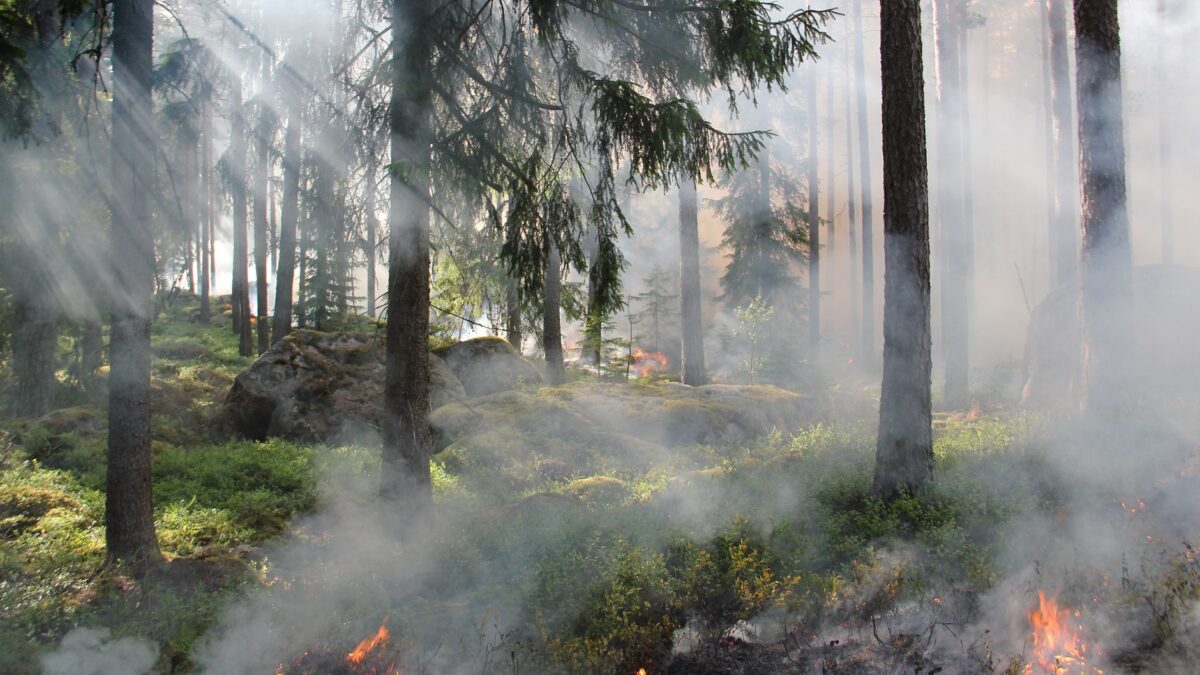
Fires between August and October 2026 burned about 1.9 million hectares (4.7 million acres) of peatland and rainforest. The smoke exposed 12.5 million people across Southeast Asia to hazardous air and caused more than 400,000 respiratory infections in Indonesia alone, the report found.
How the researchers separated El Niño from warming
WWA is an international network of scientists who measure how much climate change contributes to specific extreme weather events. For this study, the team looked at weather conditions over western Indonesia during the three dry-season months when the fires burned.
El Niño, the periodic warming of the tropical Pacific that tends to bring drought to Indonesia, was the main reason rain failed. It cut seasonal rainfall by roughly 50% over those three months. Temperature told a different story. El Niño added only 0.3°C (0.5°F) of warming, while human-caused climate change added 1.6°C. The researchers said heat that extreme would be virtually impossible without greenhouse gas emissions.
Climate change also made weeklong stretches of hot, dry air three times more likely, according to the analysis.
Report co-author Theodore Keeping, who studies extreme weather and wildfire at Imperial College London, told an online press briefing that El Niño produced the drought and that human-caused warming then added record heat throughout the season.
Friederike Otto, a professor of climate science at Imperial College London and another co-author, said the warming effect of climate change is now outpacing the temperature effect of El Niño in many cases seen in past years.
Drained peat turned dry weather into a haze crisis
The weather was only part of the problem. Between 1990 and 2010, peat swamp forest cover fell by 45% in Borneo and 63% in Sumatra, the WWA authors said, as land was drained for farming and logged.
Peat is a thick layer of partly decayed plant matter that stays waterlogged in healthy swamp forests. Once drained and dried, it catches fire easily, and the fire can smolder underground for weeks while it releases large stores of carbon. That slow, smoky burning is what produces the haze that drifts over neighboring countries.
Co-author Pramudhian Firdaus, a meteorologist at the University of Melbourne and with Indonesia’s meteorological agency, said drainage and deforestation over the last 30 years left the landscape extremely vulnerable to ignition. In his words, El Niño set the stage, “but the peatland also is what makes Indonesia fires so severe.”
Why it matters
The study separates two causes that often get blamed together. El Niño controlled how much rain fell, but most of the extra heat came from warming caused by people, and degraded peatland supplied the fuel. Each of those factors adds to the next one.
The health toll was large. With 12.5 million people breathing hazardous air and more than 400,000 respiratory infections recorded in Indonesia, the haze reached well beyond the burned areas.
The findings come from a rapid attribution study, which relies on weather data and climate models to estimate how much warming changed the odds and intensity of an event. The report covers one region and one season.
What the researchers recommend
The WWA researchers said protecting intact forests, restoring drained peatlands and enforcing zero-burning rules for land clearing are needed to prevent future catastrophic haze as global temperatures keep rising.
Source: Mongabay