Study of 1,600 Ancient Peruvians Finds El Niño Did Not Fuel Violence
Skeletons of more than 1,600 people from Peru's Lambayeque Valley show no statistical link between El Niño stress and violence. What the study found.
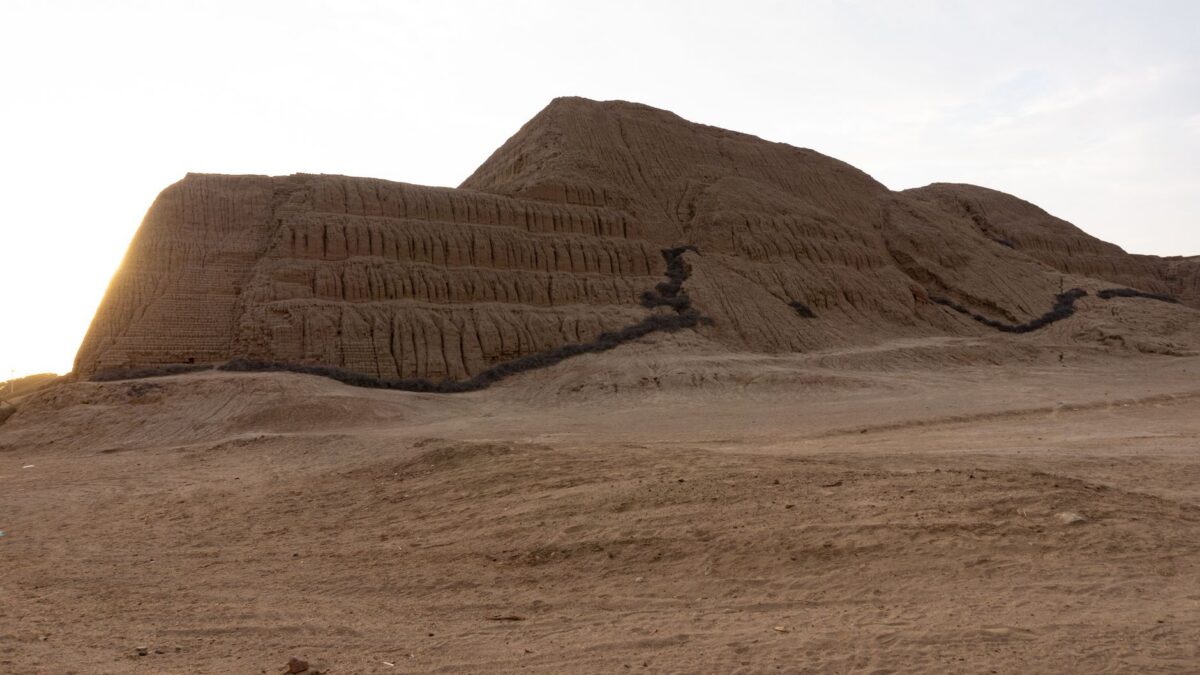
Remains of more than 1,600 people who lived in Peru’s Lambayeque Valley between about 1500 B.C. and A.D. 1500 show no statistical link between El Niño disasters and violence, according to a study reported by Science Alert and Archaeology Magazine. The researchers think communities got through drought and flooding by other means, including turning to the ocean for food.
The study was carried out by Thomas Snyder of New York University and Haagen Klaus of George Mason University and published in the journal Frontiers in Environmental Archaeology.
What the skeletons showed
The team examined skeletons recovered from several sites across the valley. Over that long span, repeated El Niño events hit the region. El Niño is a periodic warming of Pacific waters that shifts weather patterns, and in the valley it brought both drought and floods.
The researchers counted injuries. Skull wounds on 25 individuals are thought to come from violence. Injuries on the bodies of 77 others look more like the result of accidents, in the authors’ reading. When they compared those injuries with periods of environmental stress, they found no statistical relationship between the two, either for violence or for accidents.
This is an observational study of old bones. It can show whether injuries became more common during hard times, but it relies on dating the remains and on deciding which wounds came from attacks and which from mishaps. Those judgments are interpretations by the authors.
Why researchers expected a different answer
Earlier work had already tied El Niño events in the valley to mass ritual sacrifices by the Moche and Sicán peoples, two cultures that lived there. Archaeologists working elsewhere in the Andes have also found human remains that point to fighting between groups competing for scarce resources during ecological stress. Snyder and Klaus set out to test whether the same pattern of interpersonal violence showed up in Lambayeque.
It did not, at least in this sample. Instead, the authors suggest people adapted, and they point to the sea as one alternative food supply when farming and other resources failed.
“Widespread violence wasn’t one of them,” Snyder said of the valley’s long record of adapting to El Niño and longer climate shifts, which he put at 6,000 years.
What it means for the study of ancient climate stress
A common assumption holds that droughts and floods push ancient societies toward conflict. This study adds a large skeletal sample from one valley that does not fit that pattern. The ritual sacrifices recorded in earlier studies show El Niño still had serious social effects, but everyday violence between people does not appear to have risen with it here.
The findings cover one region and one set of burials. The suggestion that people relied on ocean food is the authors’ interpretation, and the reports do not describe direct dietary evidence for it. Whether the same holds for other Andean valleys, where earlier finds pointed toward conflict, remains an open question.
Source: Archaeology Magazine