324-Million-Year-Old Fossil Once Filed as Crustacean Is an Insect
A 324-million-year-old fossil kept in a San Diego museum since 1985 proves to be an early insect with swimming legs, a Nature study reports.
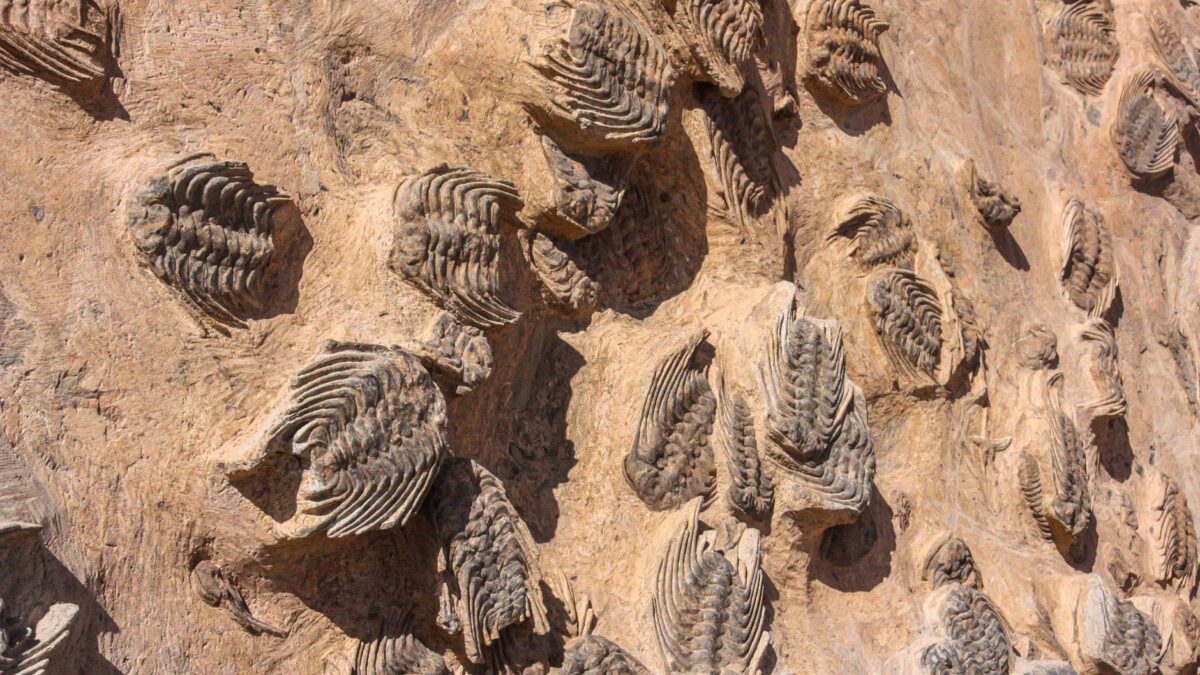
A museum specimen labeled as a crustacean for decades turns out to be one of the oldest insects ever found, dating to 324 million years ago. The San Diego Natural History Museum had kept the fossil in storage after assigning it to the crustaceans in 1991, according to a Yahoo report that draws on Nature, EurekAlert! and KPBS.
Researchers gave the animal a new name, Chosha praecursor. Its body carries six legs on the thorax and an organ for laying eggs, two traits that define insects. Along the abdomen it also had additional paddle-shaped legs.
How a textbook drawing led back to the drawer
Field workers collected the fossil in Brewster County, Texas, in 1985, and it reached the museum in the same year. Curators later placed it with Tesnusocaris goldichi, an extinct blind crustacean from the remipede group, treating it as a young individual of that species.
Erik Tihelka, a doctoral researcher at the University of Cambridge, came across an illustration of the fossil in a textbook. He traveled to San Diego to study the real thing. Working with an international group co-led by scientists at the Nanjing Institute of Geology and Palaeontology, he put polarized light filters over the specimen. The filters cut the glare that rock surfaces throw back, which made small structures visible that ordinary lighting hides. Those structures showed that the animal was a primitive insect, and the team reported the result in the journal Nature in August.
The method is an observation of an existing specimen. No new dig was involved, and the work relies on careful comparison of body parts with those of known crustaceans and insects.
Why it matters for early insect history
Insect fossils from this stretch of time, which spans tens of millions of years, are scarce. A well-studied specimen from that gap gives paleontologists a data point they rarely have. The researchers say the animal suggests that early insects spent part of their lives in water before settling fully on land.
The swimming legs carry that argument. Shahan Derkarabetian, the museum’s curator of invertebrate zoology, told KPBS that the little paddles were used to swim around, and that such a trait links animals that swim with those that walk only on land.
Now on public view
After almost four decades in collection drawers, the fossil has moved to a glass case on the lower level of the museum. Visitors can look at an early stage of insect evolution there.
Source: Yahoo