450-Million-Year-Old Crinoid Fossil Preserves Soft Tube Feet
A 450-million-year-old crinoid fossil from a museum keeps its soft tube feet, only the second such find in crinoids. It differs from modern ones.
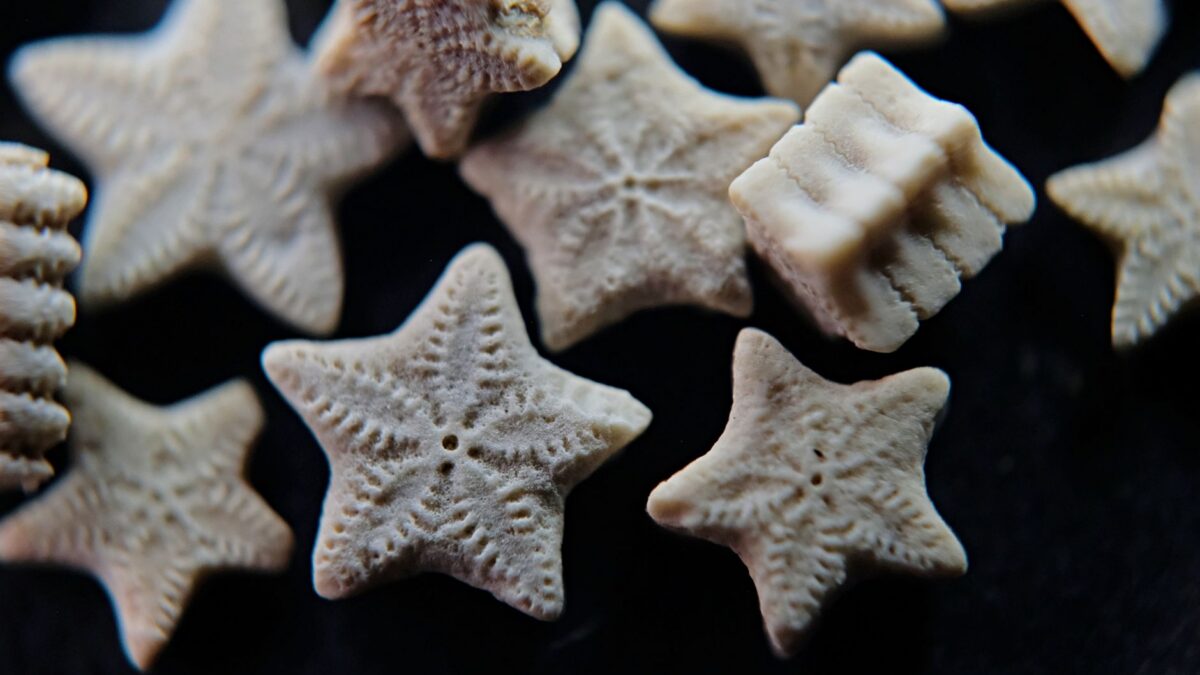
A fossil of an extinct crinoid, a marine animal related to starfish, has kept its soft tube feet for more than 450 million years, according to the University of Oklahoma. Researchers say it is only the second fossil crinoid ever found with soft tissue, and the oldest.
The specimen belongs to the species Dendrocrinus simcoensis. Paleontologists Lena Cole and David Wright, both curators of invertebrate paleontology at the Sam Noble Oklahoma Museum of Natural History, found it in a museum collection rather than in the field.
What was preserved, and why that is unusual
Crinoids often look like underwater flowers, with branching arms that reach out from a central body. Scientists have collected millions of crinoid fossils, but nearly all show only the hard skeleton. Skin, eyes and internal organs rot first after an animal dies.
Cole said soft tissue survives only when the surroundings act almost like a natural refrigerator or vacuum sealer, and that such conditions are very rare. In her words: “Preservation like this is truly one in a million.”
Tube feet are small, flexible structures found in echinoderms, the group that includes starfish, sea urchins and crinoids. Crinoids use them to catch food particles from seawater and to deal with ocean currents. Wright compared them to teeth in mammals: their shape and arrangement vary by species and say something about the habitat and the way of feeding.
How the researchers read the fossil
The fossil had sat for years at the Musée de paléontologie et de l’évolution in Montréal, a small museum that runs entirely on community donations. Cole and Wright, who both specialize in crinoids, visited and examined the specimen closely. That is when they recognized that it preserved soft tissue.
The team then compared the ancient tube feet with those of crinoids living in today’s oceans. According to the university, the anatomy of the fossil species was very different from that of living crinoids. The researchers take this to mean that crinoid feeding structures changed substantially over hundreds of millions of years.
The work rests on a single specimen and on comparison with living animals, so the picture of how feeding strategies shifted is built from one rare data point. ScienceDaily’s summary of the University of Oklahoma release does not name the journal that published the study.
Why it matters for understanding early reefs
Crinoids were among the animals living in Earth’s earliest coral reefs, at a time when life on land was still limited. The Paleozoic Era, which began about 541 million years ago, saw marine communities add a growing variety of complex animals.
Wright said fossils of long-extinct species can show features well outside the range seen in living species. Comparing how extinct and modern animals made a living, he said, shows how patterns of adaptation have changed through time and what shaped the modern biosphere, meaning all living organisms and the environments they inhabit.
Soft tissue is so seldom preserved in ancient echinoderms that a find like this gives information ordinary fossils cannot. It points toward feeding strategies that skeletons alone would not reveal.
A find from a museum drawer
Wright noted that new fossil discoveries ultimately come from fieldwork, but that museum collections matter in research like this. Specimens are often collected before anyone knows their full significance, and new technologies, ideas or expertise can later put them to use.
At the Sam Noble Oklahoma Museum of Natural History, Cole and Wright oversee invertebrate collections of more than one million specimens, and more are added every year. Wright said there are too many fossils for one person to study in a career, which is why the museum makes its collections available to researchers around the world.
Cole credited the people who care for such collections, saying the research would not have been possible without them. Wright also pointed out that the soft tissues are more than 200 million years older than the oldest dinosaur.
Source: ScienceDaily