46 Fired Clay Fragments From Turkey Are About 11,400 Years Old
Researchers dated 46 fired clay fragments from Çemka Höyük in Turkey to about 11,400 years ago, some of the oldest fired clay in the Near East.
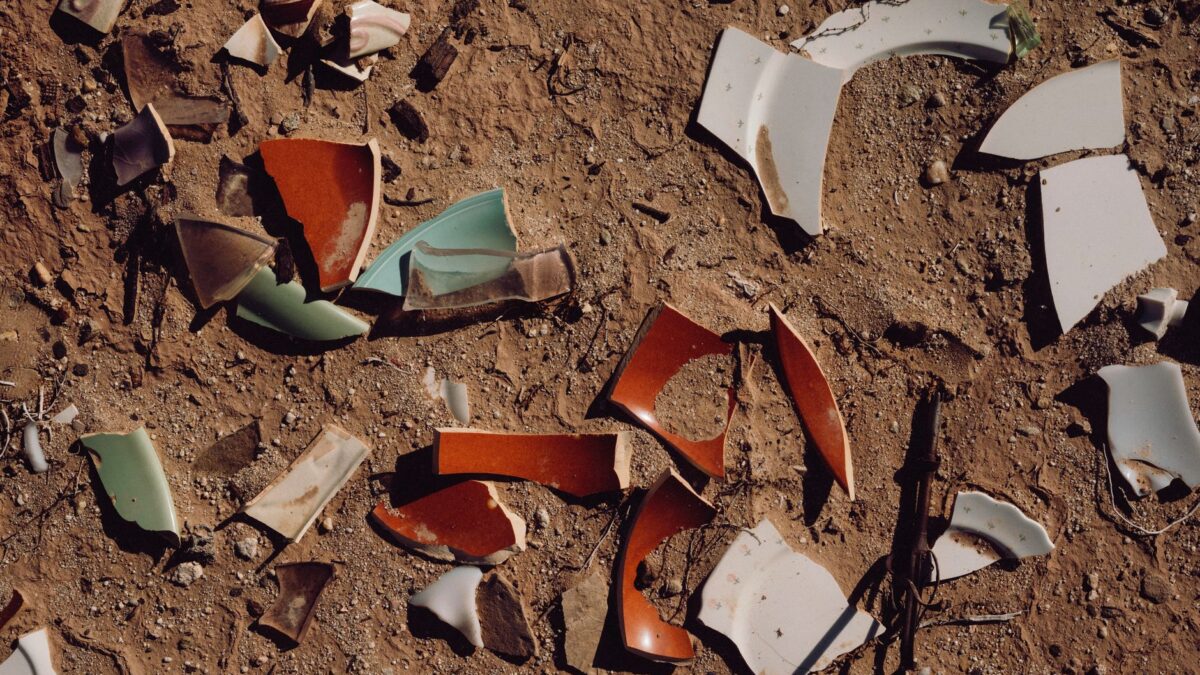
Researchers have dated 46 fragments of fired clay from Çemka Höyük, a site near the Tigris River in southeastern Turkey, to about 11,400 years ago. That makes them some of the oldest fired clay in the Near East, according to Archaeology Magazine, which cited a report in La Brújula Verde.
The firing on the pieces was short and incomplete, which the researchers read as a sign that early potters were still experimenting with their materials.
Where the fragments were found and how old they are
Excavators picked the pieces up off the floors of a number of houses, all within one layer of the settlement. Radiocarbon work on charcoal placed that layer near 9350 B.C. Together the shards seem to represent nine distinct objects.
The work was reported by Ergül Kodaş of Mardin Artuklu University, Natalia Petrova of the Russian Academy of Sciences, and Maria Daghmehchi and Rana Özbal of Koç University. Their scholarly article appeared in the journal Antiquity.
What the clay objects were
A few pieces turned out to be clay jackets that once wrapped oval objects made of organic material, roughly tennis-ball sized. The exterior faces of the jackets were scorched, possibly while food was being prepared.
The largest single shard, around 15 inches wide, has a hollowed underside and flares outward toward its upper part. The team proposes it could have been fixed onto a limestone container from the site, either to extend its size or to help hold a lid.
Everything else probably belonged to heavy-walled vessels built up from stacked clay slabs, with straw and ground plant matter worked in as temper. Two of the shards also contained traces of animal dung.
How the team read the firing
Under the microscope and with X-ray diffraction, a lab technique that identifies minerals, some shards showed chemical alteration typical of strong heat. But dark cores beneath reddish surfaces point to a brief, partial firing, as though the makers were trying out what the material could do.
Why it matters
The fragments give a look at an early stage of pottery in the Near East. They are not finished, evenly fired pots. Several are coverings or pieces of thick vessels, and the incomplete firing suggests the technique was still being worked out in this settlement.
Some limits apply. The uses described, such as covering organic objects during food preparation or enlarging a limestone container, are suggestions from the researchers, and the wording in the report is cautious (perhaps, may have been). The 46 fragments represent only nine objects, and the date of about 9350 B.C. for the layer comes from charcoal samples found at the site.
Readers who want the full methods and data can find them in the original article in Antiquity.
Source: Archaeology Magazine