Brazil Seizes 103 Spix’s Macaws as Rescue Program Unravels
Brazilian officials raided a breeding site on May 27 and took healthy Spix's macaws after a beak and feather disease outbreak. A criminal inquiry is open.
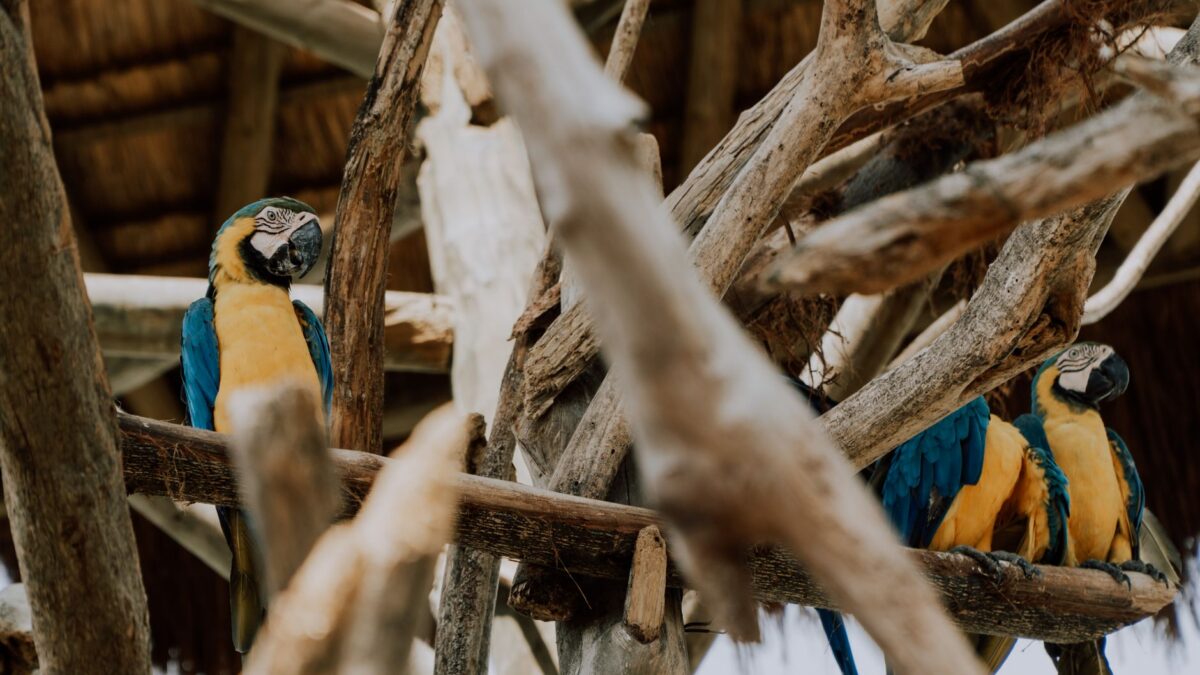
Brazilian authorities say a celebrated effort to bring the Spix’s macaw back to the wild has gone badly wrong. On May 27, armed ICMBio officers (Brazil’s environmental protection agency) and Federal Police entered a fenced compound near Petrolina in the northeast of the country, with a judicial order, and moved against 103 of the world’s rarest birds, according to Smithsonian Magazine. The healthy macaws were netted, loaded into transport cages and driven off.
The species vanished from the wild more than 30 years ago. Its screen version became famous in the 2011 animated film Rio.
What the officers found at the compound
Some of the birds had feathers bleached white, and others had pink patches where plumage had rotted away. One had a badly deformed beak. These are signs of beak and feather disease, caused by an avian circovirus that can damage the immune system and attack fast-growing tissue. Officers scanned a microchip under each bird’s skin to see which had tested positive for the virus and which had tested negative, and took only the negative birds.
A rumor spread on social media that Brazil planned to euthanize the 34 infected macaws left behind. Officials told the Smithsonian reporter the rumor was untrue.
How the program got this far
Brazil began working with a German nonprofit, the Association for the Conservation of Threatened Parrots (ACTP), in 2016, because it held by far the world’s largest collection of Spix’s macaws. The government bought private land and set up two reserves totaling nearly 300,000 acres near Curaçá. In 2020, ACTP flew 52 Spix’s macaws to Brazil, where captive-bred birds trained alongside 15 captured blue-winged macaws that served as mentors.
In 2022, 20 Spix’s macaws were released into the Caatinga, the region’s thorn scrub wilderness. Many adapted, widened their range and began to breed. Four hundred more birds were scheduled for release over the next 20 years, and breeding and release planning continued until 2025.
Why it matters
The Brazilian government now says ACTP botched the program and tried to deceive the authorities about the scale of its problems. A criminal investigation into ACTP’s activities in Brazil has begun. Dozens of captive-bred macaws awaiting release are in quarantine, and the project is on hold with its future in doubt. Some conservationists see the collapse as a case of good intentions gone wrong.
The disease raises a wider worry. The area around the release site is home to thousands of parrots, and Fábio Muniz, head of Brazil’s environmental crime unit, said any number of species could become infected. Brazilian scientists plan to watch the surrounding area for signs of an avian pandemic.
What happens next
The healthy birds are being held at the veterinary campus of the Federal University of the São Francisco Valley. A birdkeeper with ICMBio, Pietro Martins, said they will be monitored and tested for a year to confirm they have not caught the virus. For a time the project supported the idea that extinction might be reversible. Now the work is to find out what went wrong.
Source: Smithsonian Magazine