Deep-Sea Glistenworm Farms Bacteria Inside ‘Dragonball’ Organelles
A deep-sea glistenworm keeps sulfur-eating bacteria inside 'dragonballs' wrapped in more than 20 membranes, a Nature Communications study reports.
Researchers in Japan and China have found a new kind of cell compartment, wrapped in more than 20 membrane layers and packed with hundreds of bacteria, inside a rare deep-sea mollusc called the divine dragon glistenworm (Chaetoderma shenloong). The team named the structures “dragonballs” after the manga series by Akira Toriyama and published the work in Nature Communications, ScienceAlert reported.
The authors argue that dragonballs are the first known organelles built specifically for chemosynthesis, the process in which microbes make organic matter from chemical energy instead of sunlight. They describe the compartments as small bacterial farms inside the animal’s cells.
A rare mollusc from methane seeps
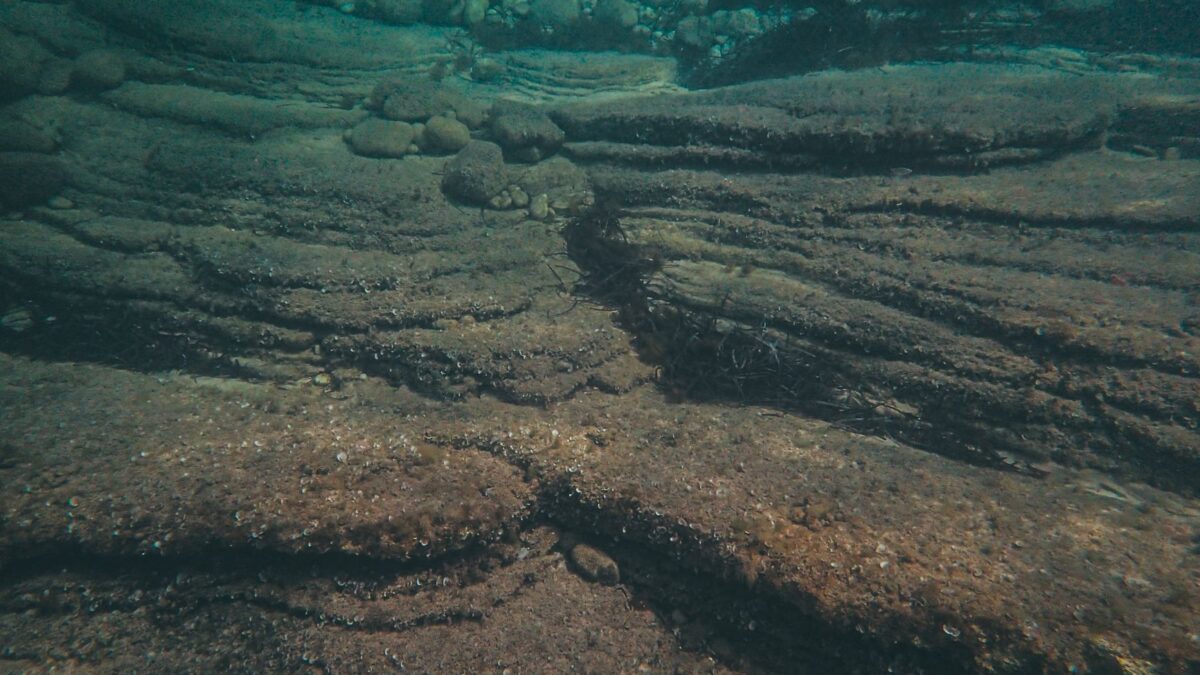
The glistenworm lives buried in mud at methane seeps, places where methane leaks from the seafloor. It was first described in 2024, when the World Register of Marine Species placed it among the top 10 most remarkable finds of that year. Until this study it was known from two seeps in the South China Sea.
The specimens for the new analysis came from a seep in the South China Sea, plus one animal collected by chance at a seep near a mud volcano off Japan. That find extends the species’ known range.
What the researchers found inside the cells
Many animals at deep-sea vents and seeps live on bacteria that turn inorganic chemicals into food. Scientists already knew that some of these animals keep such bacteria in dedicated cells called bacteriocytes. The dragonballs sit inside the bacteriocytes of the glistenworm’s digestive gland, as a separate layer of packaging that has not been seen in other molluscs or in tube worms.
When the team looked inside the compartments, they found a complex interior holding hundreds of bacteria. DNA sequencing showed that every dragonball contains a single species of symbiotic bacterium, one that gets its energy by oxidizing sulfur. The researchers think the dragonballs help the mollusc grow these microbes and turn sulfur chemistry into usable food.
The authors place the finding in a line of research that began after the first deep-sea hydrothermal vent was found on the Galápagos Rift in 1977, which showed that many animals in such places depend on chemosynthetic bacteria.
Two ideas about how the farms work
Why the bacteria are sealed away is still unknown. The team found no lysosomes, the sacs a cell uses to digest material, inside the dragonballs. One idea is that the glistenworm breaks down some of the dragonball membranes from time to time, releasing bacteria into the rest of the cell where they can be digested. That would let the animal harvest its farm.
A second idea concerns oxygen. The glistenworm spends most of its life in seafloor mud, where oxygen is scarce. Keeping the bacteria enclosed might stop them from consuming oxygen the mollusc needs for itself.
What is still unclear
Both explanations are hypotheses. The researchers had no living animals to experiment on, so their ideas rest on correlations seen in preserved tissue. In the paper they write that the hypothesis “requires physiological validation.” The study describes the structures and their bacteria; it did not test how the compartments behave in a living animal.
Why it matters
Organelles are the working parts of cells. If the authors are right, the glistenworm has evolved a dedicated compartment for raising food bacteria, something not reported in related animals. The researchers say the result shows how little is known about marine invertebrates, especially deep-sea animals that live buried in sediment. For more on the animals that live far below the surface, see our overview of life in the deep sea from the twilight zone to the trenches.
Source: ScienceAlert