Explosive Eruption Evidence Found Deep in Mariana Trench
Researchers report thin layers of shattered volcanic rock on Challenger Deep walls, the deepest evidence of an explosive eruption found in the ocean.
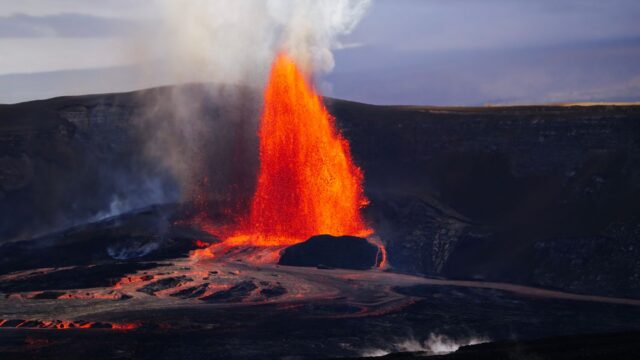
Researchers have found evidence of an explosive volcanic eruption more than 20,000 feet below the ocean surface, which the Daily Jang describes as the deepest explosive eruption documented in the sea. The evidence sits on the walls of Challenger Deep in the Mariana Trench, the deepest known point on Earth.
The finding was published in the journal Frontiers in Earth Science. Study co-author Robert J. Stern of the University of Texas at Dallas is named in the coverage.
What the robot saw on the trench walls
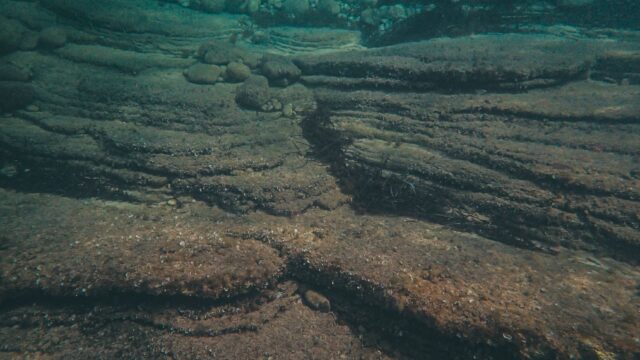
The team used Jason/Medea, a remotely operated submarine robot, to examine the trench walls. It spotted thin layers of shattered volcanic rock called pyroclastic deposits. These are fragments formed when an eruption blasts hot gas and ash outward, the same kind of violent event that buried ancient Pompeii.
Such deposits are the physical sign that an eruption was explosive rather than a slow flow of lava. The researchers have not yet identified the exact volcanic vent that produced them.
Why the location surprised geologists
According to the report, Stern noted that volcanic activity rarely occurs this close to a trench, because the Earth’s mantle (the hot rock layer beneath the crust) there is typically too cool to melt.
Water pressure adds a second obstacle. At about 20,000 feet, the weight of the water normally keeps gas in magma from expanding quickly, so lava tends to ooze out slowly rather than explode. For an explosion to happen under these conditions, the magma must have had unusual chemistry and unusually high temperatures, the report says.
How sure is this?
The work appeared in a peer-reviewed journal, Frontiers in Earth Science. The coverage does not give the number of samples or survey sites, the age of the deposits in years, or a DOI. It says only that geological clues suggest the eruption happened relatively recently. Because the vent has not been located, the source of the explosive magma and its exact composition remain open questions.
The researchers say further study of these rocks should help explain how deep ocean trenches form and how underwater volcanoes work.
Source: Daily Jang
Site editor: Nikita Sheikin