Hera Images Show Stadium-Sized DART Crater on Asteroid Dimorphos
ESA's Hera mission released its first close-up images of Dimorphos, showing a stadium-sized crater from NASA's DART impact and hundreds of new boulders.
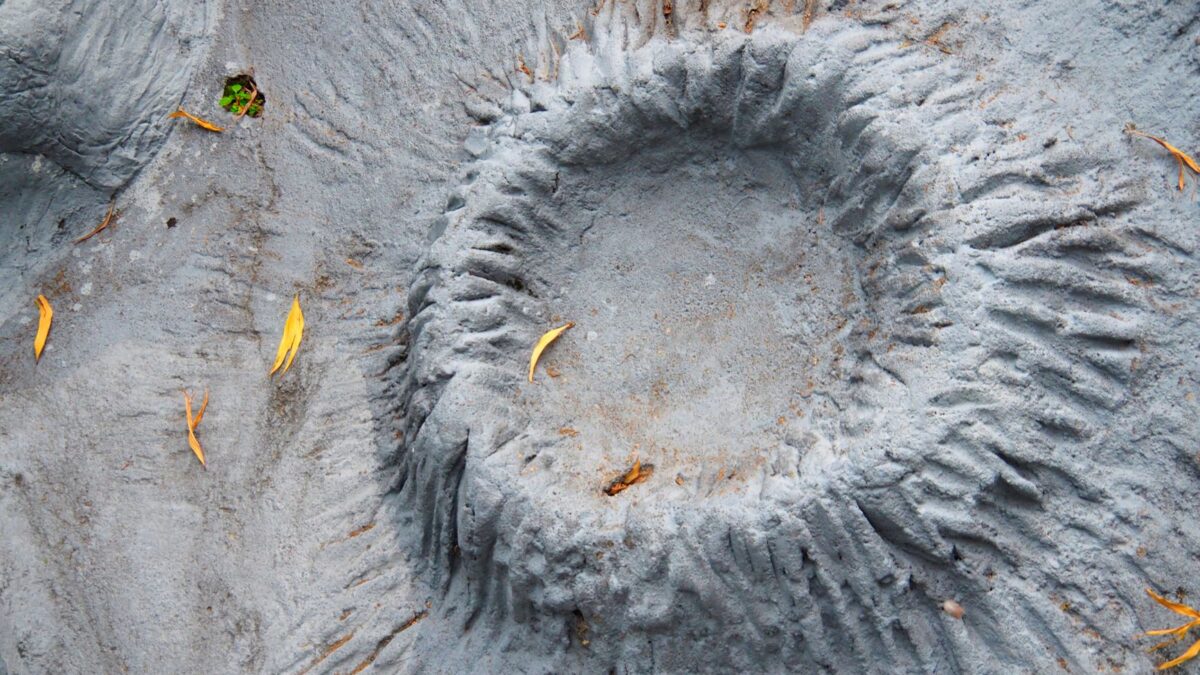
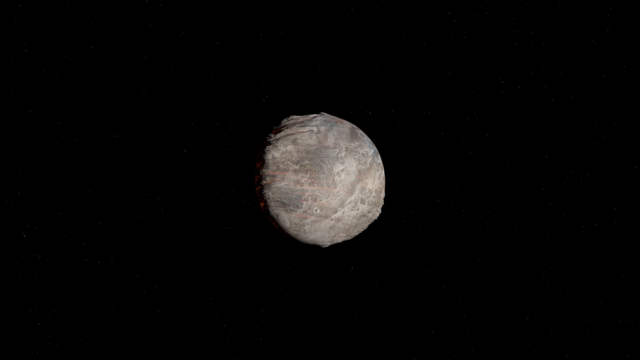
The European Space Agency’s Hera spacecraft has returned its first images of Dimorphos, the 151-meter moonlet that NASA deliberately hit in 2022. According to Physics World, the pictures show that the struck face has been flattened into a stadium-sized crater that stretches across the asteroid’s entire width, and that Dimorphos is now tumbling chaotically in its orbit.
The images also show hundreds of boulders that were not known before, circling the pair of asteroids.
What DART did, and what Hera is checking
Dimorphos orbits a larger asteroid, Didymos, which is 730 meters across. The pair travels around the Sun about 190 million km from Earth. On Sept. 26, 2022, NASA’s $330m Double Asteroid Redirection Test (DART) spacecraft hit Dimorphos at 6.1 km/s, a demonstration of “kinetic impact,” meaning a deflection by collision alone.
A month later NASA reported that the impact had changed Dimorphos’ orbit around Didymos by more than 33 minutes. The orbit shrank from 11 hours and 55 minutes to 11 hours and 23 minutes.
How Hera is examining the crash site
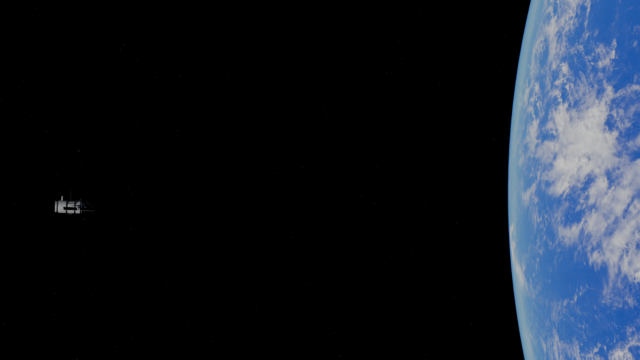
ESA launched the €360m Hera mission in October 2024 to study the aftermath up close. The spacecraft carries 12 instruments, including cameras and thermal-infrared imagers, which detect heat radiated by a surface. Hera is flying about 30 to 25 km from the two asteroids. It uses its thrusters to hold “rectangular orbits” around them at an average speed of about 12 cm/s. The new images were taken earlier this month.
Hera mission scientist Michael Kueppers said the team must account for the newly found boulders as the spacecraft moves closer to take higher-resolution pictures.
Hera mission manager Ian Carnelli described the division of labor between the two missions: “NASA’s DART mission demonstrated that we can change an asteroid’s orbit. Hera is now revealing what happened to the asteroid itself.”
How sure is this?
These are first images released by the mission team and reported by Physics World, not a peer-reviewed paper. The description of a flattened face and a tumbling motion comes from that early imagery. Measurements of the crater’s exact size, the asteroid’s mass and its internal structure are not yet available. The tumbling is described as chaotic, and its full pattern has not been reported.
What comes next
Hera will move closer to the asteroid pair over the next few weeks. In January it will release two shoebox-sized CubeSats, small satellites that will go closer to the asteroids than the main spacecraft. Carnelli said that combining the two missions is a step toward making asteroid deflection a reliable tool for protecting Earth.
Source: Physics World
Site editor: Nikita Sheikin