Tooth From a Chinese Cave, About 100,000 Years Old, Puzzles Researchers
A tooth from Chuanshandong cave in southern China, at least 100,800 years old, carries protein variants that do not match Denisovans. Here is what the Nature study found.
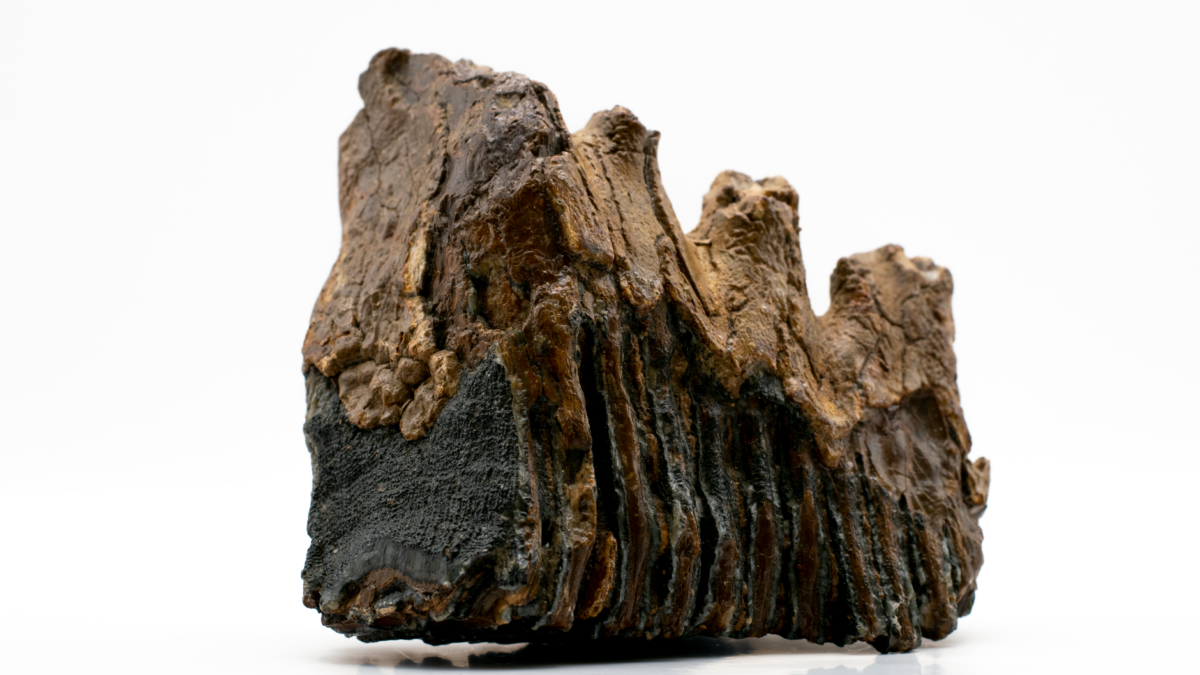
A bicuspid tooth from Chuanshandong cave in Guangxi, southern China, is at least 100,800 years old and does not fit any known East Asian human group, according to a study published Nov. 25 in the journal Nature. Its shape and its enamel proteins differ from Denisovan teeth found nearby, and the authors label its owner an “unresolved archaic Homo.”
The team, which includes Qiaomei Fu of the Institute of Vertebrate Paleontology and Paleoanthropology at the Chinese Academy of Sciences, described four isolated teeth from two cave sites. Two come from a Denisovan-related population. The other two, which the researchers think may belong to one individual, do not.
How the team compared the teeth
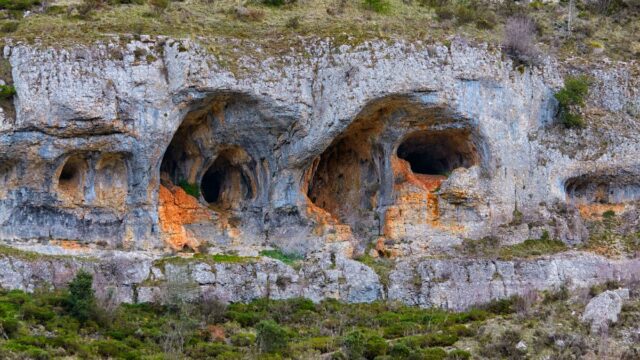
The teeth came from two sites, Longchuandong and Chuanshandong. Using uranium-series dating, a method that estimates age from the decay of uranium in mineral deposits, the researchers placed the two Longchuandong teeth (a molar and a bicuspid) at about 104,500 to 42,600 years old. The two Chuanshandong teeth, both bicuspids, are at least 100,800 years old.
The researchers studied the teeth’s shape and extracted proteins from the enamel. Proteins carry variants that reflect an individual’s genes, so they can help place a fossil on the family tree when DNA has not survived. They got protein data from both Longchuandong teeth and one Chuanshandong bicuspid, and all three came from chromosomally male individuals.
The Longchuandong teeth matched previously identified Denisovan teeth, and their proteins matched Denisovan remains found elsewhere in China. That indicates a Denisovan-related group lived in southern China in the Late Pleistocene (129,000 to 11,700 years ago), the study says.
The Chuanshandong teeth looked different. The researchers wrote that their shape “did not align well with any established East Asian Homo member.” The roots are complex, as is typical of Homo erectus, yet the crown is more symmetrical, a trait closer to Homo sapiens. Several protein variants have so far been seen only in H. erectus and Homo antecessor, an ancient human distantly related to Neanderthals and modern humans.
The protein analysis placed Chuanshandong as a sister group to the common ancestors of Neanderthals, Denisovans and H. sapiens. The authors conclude that at least two non-sapiens Homo populations may have lived in southern China’s subtropics during the Middle and Late Pleistocene.
How sure is this?
The work is peer-reviewed, but the sample is four teeth, and only one Chuanshandong tooth yielded proteins. Few 100,000-year-old fossils from China have been analyzed, so it is unclear what the findings mean for human evolution, the researchers say. Most fossils from China have produced proteomes (limited data on a body’s proteins) rather than the full genomes known for Denisovans and Neanderthals.
Fu told Live Science it is too early to call this a new human group. “We could call it the Chuanshandong group temporarily,” she said, adding that more fossil and molecular evidence is needed. The study also notes the odd proteins could be explained by interbreeding with H. erectus.
John Hawks, an anthropologist at the University of Wisconsin-Madison who was not involved, called the proteome extremely interesting but disagreed with the “unknown Homo” label. He said it is unclear whether H. erectus or Denisovans carried the specific variant, since paleoproteomics is a fairly new technique. If H. erectus had it, the tooth might come from an H. erectus individual. No Denisovan bicuspids have been found for comparison. Hawks also said a combined analysis of all the teeth would be stronger than the separate papers Fu’s team has published.
What comes next
Excavations in Guangxi caves have continued for a decade and have turned up many Pleistocene mammal fossils, including ancient human relatives. Fu said her team has new findings from the region and is analyzing them.
For background on another famous find from China, see our explainer on the Terracotta Army.
Source: Live Science
Site editor: Nikita Sheikin