Resplendent Quetzal Lost 51% of Northern Habitat Since 1990, Study Finds
A satellite study finds the northern resplendent quetzal lost about 51% of its habitat from 1990 to 2021, far more than the southern subspecies. Here is how.
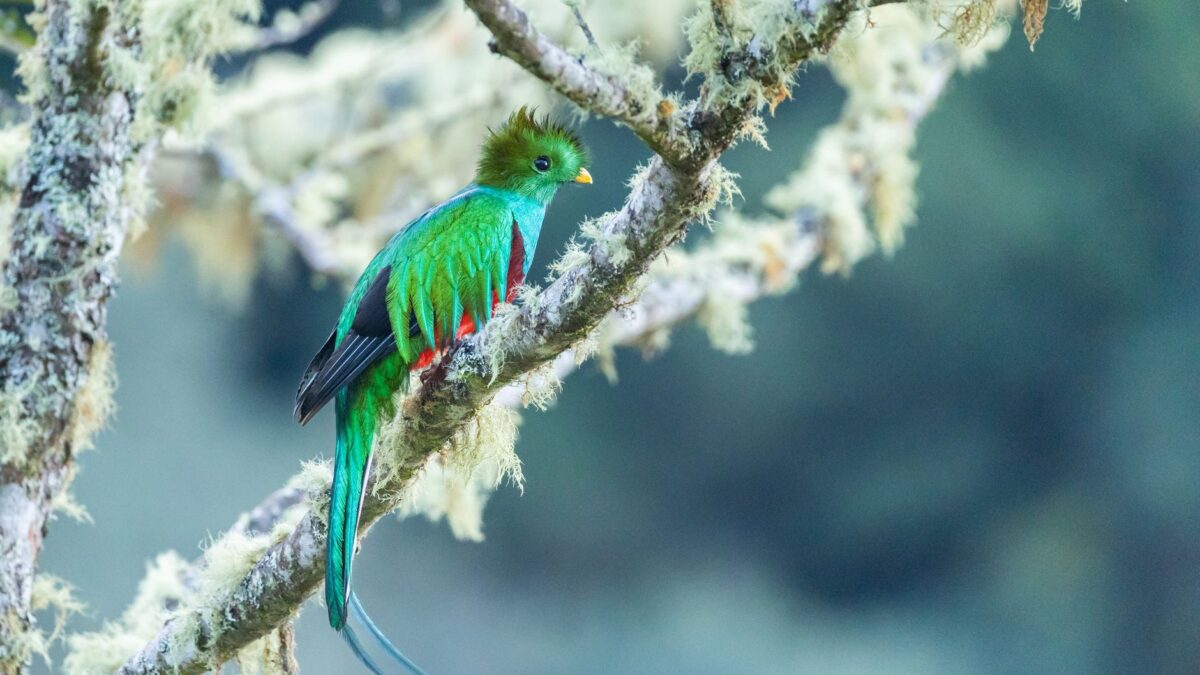
The northern subspecies of the resplendent quetzal lost about 51% of its habitat between 1990 and 2021, while the southern subspecies lost 6.6%, according to a study in the journal Bird Conservation International reported by Mongabay. Across the whole species, the authors estimate a loss of 361,000 hectares (about 892,000 acres) of potential breeding habitat.
The quetzal is a cloud forest bird of Central America. Males have green bodies, a red and purple breast, a yellow beak and tail feathers that can reach more than a meter (3.3 feet) long. The Maya and Aztecs held it sacred, and it gives its name to Guatemala’s currency.
How the team measured habitat loss
The researchers modeled habitat loss from satellite data covering 1990 to 2021. Co-author Sofía Solórzano, a professor at the National Autonomous University of Mexico, described a “radical difference” between the two subspecies. The northern one, Pharomachrus mocinno mocinno, lives in Mexico, Guatemala, Honduras and El Salvador. The southern one, Pharomachrus mocinno costaricensis, lives in Costa Rica and Panama.
Lead author Edward Backus, an independent researcher, named two causes. Farmland has replaced and split up cloud forest, and the northern habitat is now divided into just over 100 patches. The largest, in the Sierra de las Minas Biosphere Reserve in eastern Guatemala, covers about 50,700 hectares and is under pressure from agriculture such as palm oil. The largest southern patch, in the Cordillera de Talamanca, overlaps about 442,000 hectares.
The second cause is climate change. Backus said reduced cloud formation is pushing the forest boundary upslope and drying the forest. He pointed to the Monteverde Cloud Forest Preserve, where higher temperatures and lower humidity have moved cloud cover to higher elevations. Quetzals nest in tree cavities, decaying wood or abandoned woodpecker nests, and Backus said fragmented habitat offers less food and fewer nesting sites.
What it means for the Red List
The study argues the species could move from near threatened to vulnerable on the IUCN Red List. Rob Martin, Red List manager at BirdLife International, said the data bring the quetzal close to that threshold but do not clearly cross it. Vulnerable status requires a 30% decline over three generations. The study’s figure is around 26%, with an uncertainty range of around 8%. Martin said more investigation would be needed to show the decline exceeds 30%.
Mitochondrial and morphological analyses suggest the two subspecies could be treated as separate species, which would give them different Red List statuses. No formal request for a revision has been made. Backus said he favors that recognition but considers conservation work more urgent.
How sure is this?
The work is a peer-reviewed paper (doi:10.1017/s0959270926100756) by Backus, Poole, Backus, Solórzano and Eisermann. The figures are modeled estimates of potential breeding habitat from satellite data, not bird counts. The authors note large data gaps: Honduras, El Salvador, Nicaragua and Panama lack basic natural history studies of the bird. Whether the species-wide decline passes the 30% threshold remains unresolved.
What comes next
The researchers call for field research and acoustic monitoring, which uses recorded sound to estimate population sizes. Martin noted that the northern nightingale wren, whose range partly overlaps the quetzal’s, was moved from least concern to near threatened in 2025 because of forest loss. The authors say Guatemala and the Mexican state of Chiapas are where protection could make the most difference. Backus named deforestation along the edges of Guatemala’s large habitat patches as a priority.
Source: Mongabay
Site editor: Nikita Sheikin