Iwo Jima Eruption Sends 300-Meter Plumes, Halts War Dead Pilgrimage
An eruption off Iwo Jima since Oct. 27 may be building new land and has postponed a memorial pilgrimage. What the island's uplift and tremors show.
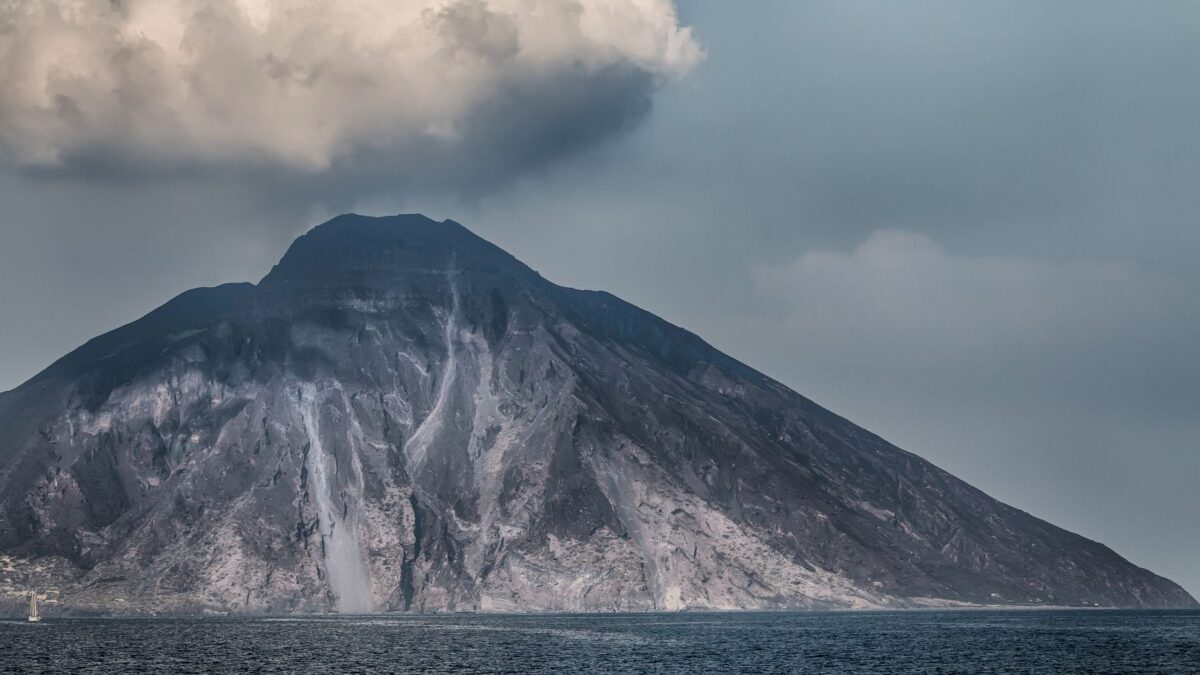
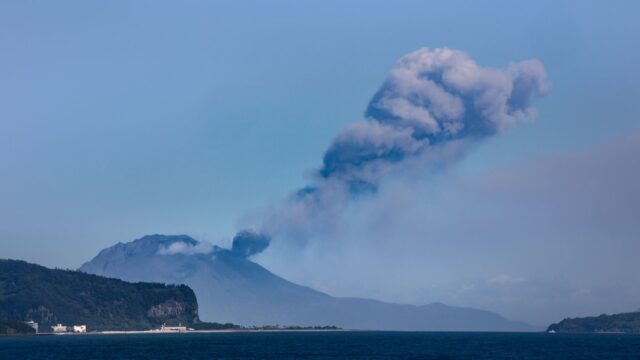
A submarine eruption off the south shore of Iwo Jima, a volcanic island in Tokyo’s Ogasawara Village, has continued since Oct. 27, and since Nov. 6 it has thrown colored plumes 200 to 300 meters into the air. The Japan Meteorological Agency says material from the eruption is believed to be building new land offshore.
The activity now reaches beyond science. On Nov. 13, Japan’s Ministry of Health, Labour and Welfare postponed a memorial pilgrimage for the war dead because it could not guarantee participants’ safety while the eruption goes on.
What the agencies have observed off Okinahama
According to agency material published Nov. 10, the Japan Maritime Self-Defense Force unit at the Iwo Jima Air Base saw the eruption begin around 6:00 AM on Oct. 27, off the Okinahama coast. Eruptions have happened at that spot before. The size, height and total volume of any new island have not been determined.
Volcanic earthquakes stayed relatively few in October. A different signal, called monochromatic tremor, rose sharply starting Oct. 27 and has been continuous since Oct. 30. These tremors are dominated by a narrow band of frequencies and may reflect moving magma, hot water or volcanic gas underground. They cannot show where magma is going, how much is moving or how deep it sits.
An island that has been rising for centuries
Iwo Jima sits on a submarine caldera about 10 km across, the collapsed bowl left by earlier eruptions. Seafloor surveys have found ring faults around it, and Japan’s Volcanic Research Committee suggests these may be connected to magma and hydrothermal activity below.
The island’s ground has been climbing for a very long time. Studies that radiocarbon-dated coral collected on the Motoyama plateau and compared it with today’s elevations put the average uplift over the past several centuries at roughly 14 to 20 cm per year. Measurements from 1952 to 1968 recorded an average of 33 cm a year at Motoyama. Surveys since the 1970s found stretches of rising and sinking, then steady uplift began around 2006, with periods in the late 2010s of about 1 meter per year. No other active volcano in Japan deforms this way.
Eruptions have also changed character. Analysis of pumice from a July 2022 eruption off Okinahama showed it was magmatic, meaning fresh magma reached the surface, with a chemistry similar to trachyte found earlier on the island. In October 2023 an eruption in the same area built new land that waves later wore away. Chemical results for the 2026 ejecta have not been published.
Uplift or subsidence: the readings differ
The two agencies watching the ground describe it differently. The meteorological agency’s October report said uplift seen since November 2025 had mostly paused from late August 2026 and began rising again around October. The Geospatial Information Authority of Japan reports that its GNSS station “Iwo Jima 1” switched from uplift to subsidence in late October 2026. Readings can vary by station, period and method, and sinking at one point does not mean the whole island has stopped rising. Whether the eruption relieved underground pressure has not been confirmed.
What it means for the risk of a bigger eruption
The Volcanic Research Committee judges that activity has been intensifying over a span of decades, citing the change in uplift around 2006 and the magmatic eruptions since 2022. It has raised the possibility of a magmatic eruption larger than the current one, but has given no probability or timing. A larger eruption than today’s is a different thing from one involving the whole caldera. With no notable rise in volcanic earthquakes, the current eruption alone does not show that a major eruption is close. For more on how scientists read these signals, see our explainer on why volcanoes erupt and how eruptions are forecast.
The plume is also smaller than in the September 2025 eruption at Chidorigahama on the island’s west coast, which rose above 1,000 meters and produced an estimated 1.5 million cubic meters of ejecta. No comparable volume figure exists for the current eruption, and plume height alone cannot measure its size. Researchers estimate that the top of a shallow magma chamber lies a little deeper than about 3 km, a figure based on where earthquakes cluster rather than direct observation.
Pilgrimage on hold
The postponed pilgrimage had been scheduled for Nov. 18-19. Of its 124 planned participants, 107 are bereaved family members of the war dead. The ministry said safety could not be assured because the Okinahama eruption is still under way.
Source: note