Maya Red Paint Poisoned Yucatán Lakes With Mercury, Mud Cores Show
Cinnabar in Maya red paint left mercury in Yucatán lake mud for decades and centuries, a Science Advances study finds. What it did to fish and algae.
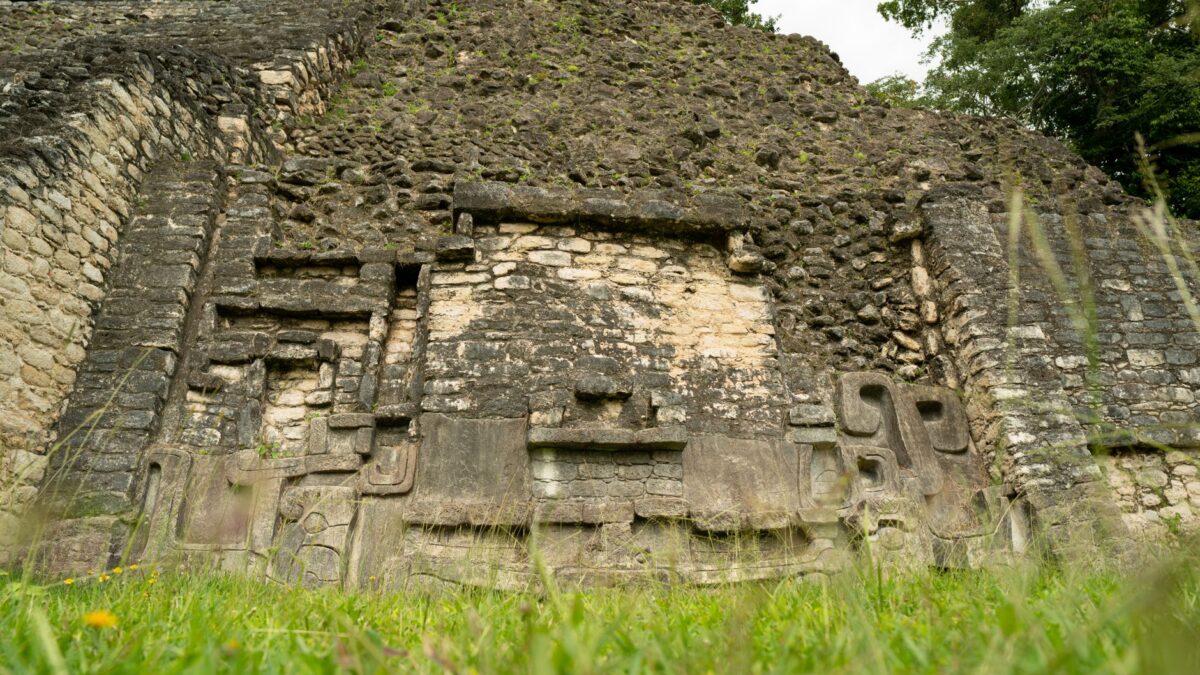
The ancient Maya painted so much of their world red that runoff from the paint poisoned lakes in Mexico’s Yucatán Peninsula with mercury, with the dirtiest layers of lake mud reaching 2.3 parts per million, according to a study published Nov. 4 in the journal Science Advances and reported by Live Science.
The likely culprit is cinnabar, a bright red mineral made of mercury and sulfur that can be ground into the pigment vermilion. The pollution lasted for decades at one site and for centuries at another, and it appears to have wiped out freshwater shellfish the Maya relied on for food.
How red paint turned into poison
Red carried deep meaning for the Maya, standing for the sun, blood and life. Archaeologists have found red coloring on sculptures, monuments, walls, plazas and pottery, and on the bodies of the dead prepared for ceremonial burials. The Maya made red paint from two main pigments: cinnabar and red ocher, which owes its color to hematite, an iron mineral that is not toxic.
Cinnabar is the dangerous one. When paint washes into lakes, bacteria that live without oxygen in the bottom mud can convert the mineral into methylmercury, a highly toxic form of mercury. Methylmercury builds up as it moves up the food chain, reaching higher concentrations in animals that eat other animals.
Cinnabar does not occur naturally in the Yucatán, so the researchers say it was brought in, probably from what is now Honduras.
What the lake mud recorded
The team, led by paleolimnologist Matthew Waters of Auburn University in Alabama, drilled sediment cores at two Maya-era sites. A paleolimnologist studies the history of lakes and other bodies of water. One site was Cobá Lake, a shallow lake next to the Maya city of the same name. The other was Cenote Xcach (also spelled X-Canché), a flooded sinkhole beside a jungle city that has seen little excavation.
Lake mud settles in layers, so a core works like a record of the water and land around it. These cores cover more than 2,000 years. The mercury peaks match several stretches of the Preclassic and Classic periods of Maya civilization, from about A.D. 40 to 820.
“We did not suspect [the Maya] used it in the quantities that we were seeing,” Waters told Live Science.
For context, Waters pointed to U.S. benchmarks. The Environmental Protection Agency considers drinking water unsafe above 2 parts per billion of mercury, and fish with more than 1 part per million can be seized by authorities. Severe poisoning in people sets in when blood mercury goes above about 100 parts per billion, and it can cause lasting lung damage, brain damage and death. The 2.3 parts per million figure was measured in lake sediment, which is a different material from drinking water, fish or blood.
Signs of a dying lake
The researchers also searched the cores for evidence of harm to living things. The polluted layers held almost no tiny fossils of freshwater shellfish, which the team reads as a sign that the mercury was killing aquatic life. Traces of algal blooms, which Waters said should have been common, were also scarce. The likely reason is that algae could not survive in the poisoned water.
Waters told Live Science that people living nearby would have noticed odd color changes in the water and fewer fish to catch. The Maya depended heavily on freshwater fisheries, including shellfish, for protein.
Why it matters
Earlier research had found high mercury levels in the Maya southern highlands and south-central lowlands, but the Yucatán had not been examined in full. The new cores show that pollution from a cultural practice reached into the peninsula’s lakes and changed their ecosystems, long before industrial chemistry existed.
The study also adds a data point to the long debate over why Maya civilization collapsed in the eighth and ninth centuries. Disrupted food supplies from drought are a leading explanation. Waters said mercury damage had already been falling in many places for hundreds of years before the collapse, so it may have been a contributing factor at most. At Cobá Lake, cinnabar imports appear to have stopped, and mercury fell to a background level of about 20 parts per billion by A.D. 520. At Cenote Xcach, the poisoning went on until the collapse.
What is still open
The link between the mercury and cinnabar paint is the researchers’ interpretation of the sediment record; the study describes the paint as the probable source. The findings come from two sites, so how widespread the pollution was across the Yucatán remains to be tested. The paper is Waters and colleagues, “Toxic mercury, aquatic ecosystem collapse, and the ancient Lowland Maya,” Science Advances 12(45), eaeh3280, DOI 10.1126/sciadv.aeh3280.
Source: Live Science