Neutron Scans Find 45-Centimeter Horned Reptile in Wyoming Rock
A tiny horned reptile from 156 million years ago was found inside Wyoming sandstone using neutron and X-ray scans, and its ear bones may reshape its family tree.
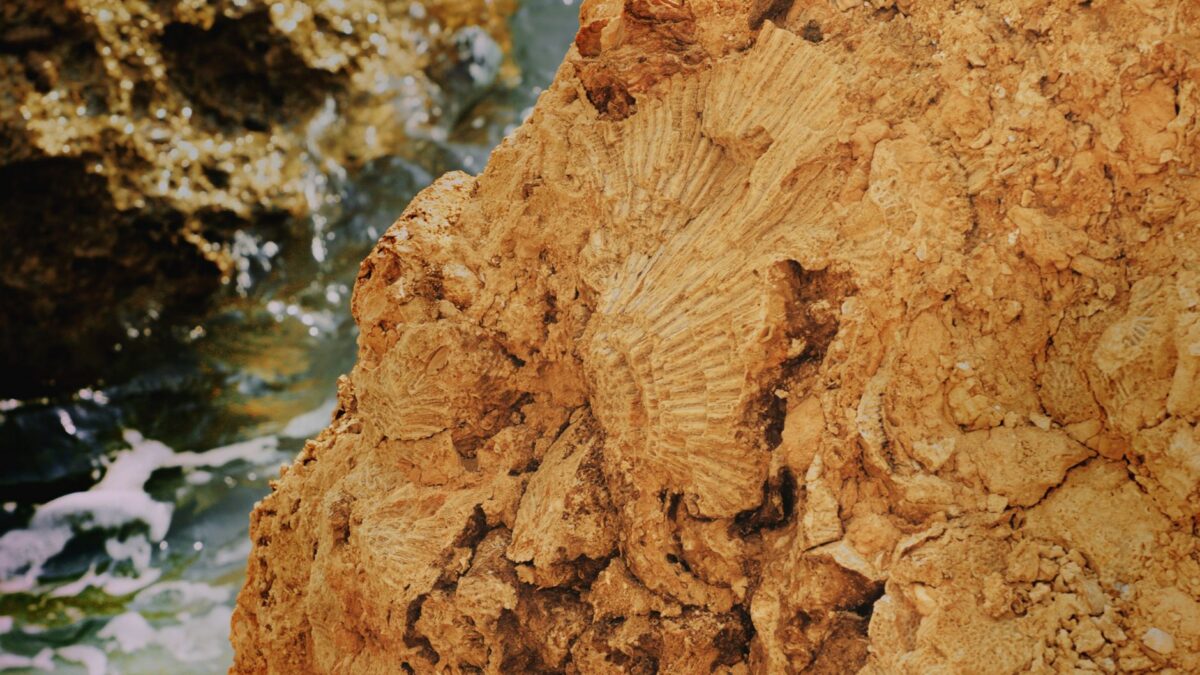
A fossil reptile about 45 centimeters long, with two horn-like spikes at the back of its head, has been identified inside a slab of Wyoming sandstone without cracking the rock open. It lived about 156 million years ago and belongs to a new species, Meilynodraco amonamarthi, according to Earth.com’s report on the study.
The animal is the most complete early member of the choristoderes found so far and the oldest one known from North America. Choristoderes are a long-extinct reptile group, and later members included long-snouted, crocodile-like river hunters, some of which outlived the dinosaurs.
How the scans found it
A museum excavation team from the Aathal Dinosaur Museum near Zurich found the fossil in August 2022 at the Meilyn Quarry in Wyoming. Only a row of tiny vertebrae showed on the surface. It could have been an early snake, a crocodile relative or a baby dinosaur.
The museum later got in touch with Pavel Trtik, a materials scientist at the Paul Scherrer Institute (PSI) in Switzerland who uses neutrons to see inside solid objects. He had left his business card at the museum desk during a family visit in January 2023. “Neutrons are particularly sensitive to hydrogen,” he explained, and hydrogen is present in a bone mineral that sets the fossil apart from the surrounding sandstone.
The team also made X-ray scans at PSI, at the Swiss materials research institute Empa and at the University of Zurich. Trtik said the two techniques give different kinds of information. Researchers then sorted and combined tens of thousands of cross-sectional images into a three-dimensional reconstruction.
It showed pelvic bones, part of a hind leg and a tiny skull with an almost complete braincase less than two centimeters across. The head and body were found apart. Torsten Scheyer, the University of Zurich palaeontologist who co-led the study with Trtik, said it is hard to tell why, and that a larger predator cannot be ruled out. Fine river sand buried both pieces before it turned to stone.
An ear clue to a long-running argument
Paleontologists have long disagreed about how choristoderes relate to other reptiles, because their skull bones have an unusual shape. The new fossil adds evidence from the inner ear. Scheyer said those bones strongly resemble the ones in the crown group of reptiles, which includes all living reptiles. That could suggest choristoderes are closer kin to living reptiles than earlier fossils indicated.
How sure is this?
The study was published in the journal Royal Society Open Science. It rests on a single specimen, and Scheyer described the inner-ear resemblance as something that “could suggest” a closer relationship, not as a settled result. The sources do not say what other researchers think of it, and the cause of the missing head remains unknown.
What comes next
The fossil goes on display in early 2027 in a traveling exhibition called “Rock Fossils on Tour” at the Aathal Dinosaur Museum. The name honors the Swedish metal band Amon Amarth, a favorite of Scheyer’s, and the first part means roughly “Dragon of Meilyn.”
PSI also hopes to scan much larger fossils. A proposed test facility called UFO would handle objects up to a meter long and is being considered as part of a possible upgrade to the institute’s neutron source.
Source: Earth.com
Site editor: Nikita Sheikin