New Flying Frog Found at 6,100 Feet in Indonesia Hangs Its Eggs in Jelly
A new flying frog, Rhacophorus kurniatia, was found in Sulawesi, Indonesia. It lays eggs in gelatinous masses, unlike its relatives, which use foamy nests.
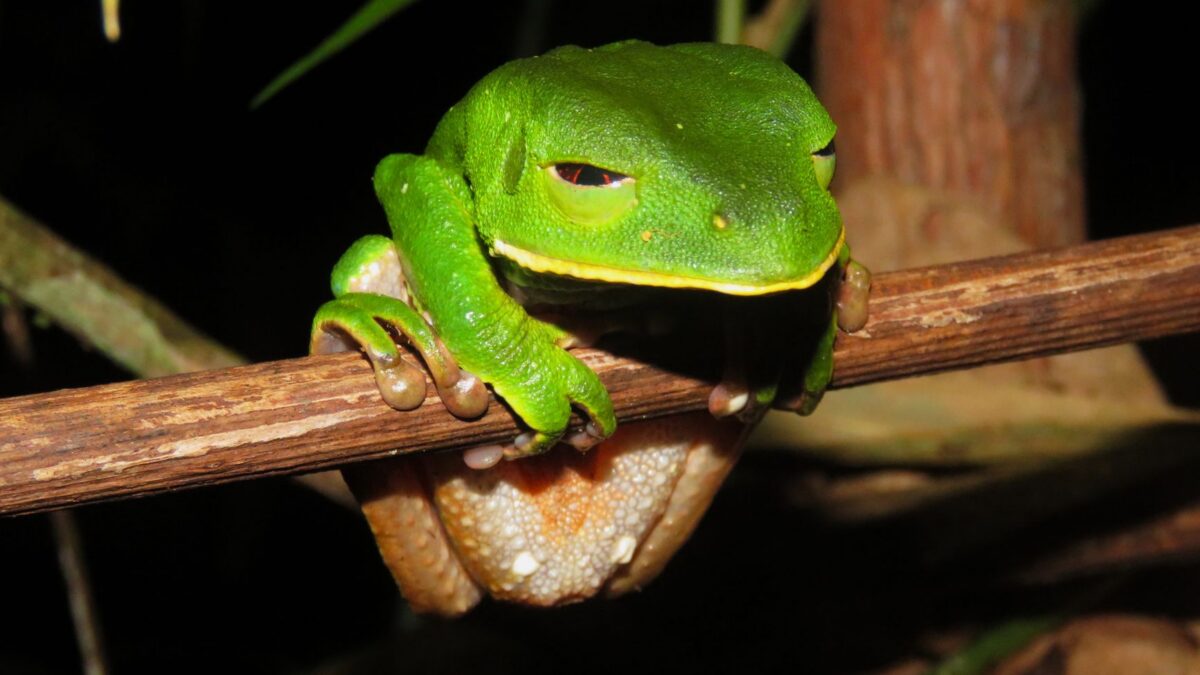
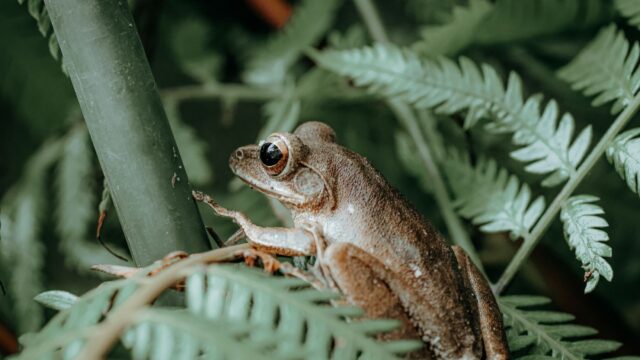
Researchers have described a new species of Asian flying frog, Rhacophorus kurniatia, found about 6,100 feet above sea level in the Mekongga Mountains on the Indonesian island of Sulawesi, according to a report on Yahoo. Unlike others in its genus, it lays eggs in gelatinous masses that hang above or near water, rather than in foamy nests.
The frog was identified after four years of work on the island, and it carries the name of a leading Indonesian herpetologist who helped find it and died in 2024.
A pond full of green frogs
The discovery began with a trek up the mountain to a secluded lake, where thousands of frogs had gathered. The animals were all over the big pond, which was covered in green frogs. Study author Alan Hitch said in a statement: “You don’t really see frogs in big congregations like that.” He added: “This was something super special.”
The team quickly recognized the animals as flying frogs of the genus Rhacophorus. The main giveaway was their large webbed feet, which the frogs use to glide between trees.
How researchers confirmed it was new
Closer analysis turned up the difference in egg-laying, something not seen in other Rhacophorus species. Distinctive pointed snouts also set the frogs apart, and so did the calls they make. Together these features showed that the species had not been observed and documented before.
Study author Andrew Engilis Jr. said the team looked at hundreds of specimens to describe the species. The frog is what scientists call a cryptic species: one that looks very similar to its relatives while differing in genetics and behavior. In Engilis’s account, species can look the same while their behavior and genetics are different, and this frog is an example of that.
Four years of fieldwork on Sulawesi
The identification is the result of four years of work on Sulawesi, an island close to Borneo. The expeditions took the researchers from sea level to the highest mountain peaks. The new frog turned up at the 6,100-foot elevation, in the mountains where the lake full of green frogs sits.
Why it matters: a name for a colleague
The scientific name honors herpetologist Hellen Kurniati, who died in 2024. She was one of the leading researchers studying amphibians and reptiles in Indonesia, and she helped discover the species that now carries her name. The researchers chose the name as a mark of respect for her.
For the group of flying frogs it belongs to, the finding adds a species with a different way of laying eggs: jelly masses hung over or near water instead of foam.
Source: Yahoo
Site editor: Nikita Sheikin