Polar Vortex Knocked Off the North Pole in Earliest Event Yet
NOAA says a rare November stratospheric warming displaced the polar vortex, but a very strong El Niño should keep the eastern U.S. chill modest in December.
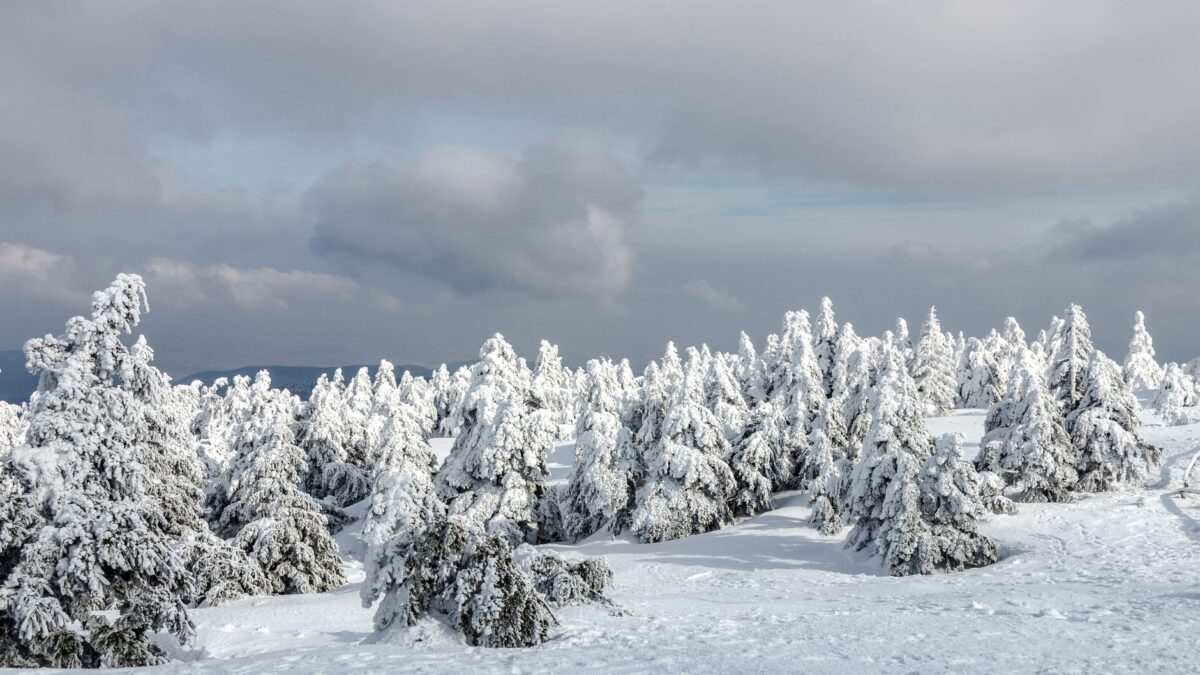
A November shake-up has moved the polar vortex off the North Pole, and NOAA’s Climate Prediction Center says colder air may reach the eastern U.S. over the next few weeks. Forecasters expect only a mild effect. The center’s December outlook, issued Thursday, described the event as an unusual November sudden stratospheric warming, or SSW.
The Weather Channel reports that no major event of this type has come this early since records began in 1958. Scientific American said the previous earliest weakening of the vortex was logged on Nov. 28, 1968.
What the vortex is and how it breaks down
The polar vortex is a ring of fast winds high in the stratosphere that spins around the North Pole in the cold season. While the ring stays intact, the coldest air remains trapped far above the ground. The winds fade in summer and build through autumn as the Arctic cools, and the ring normally holds its position until about December or January.
Waves of air pushing up from the lower atmosphere can slam into the vortex, which then slows and wobbles. The largest disturbances, the sudden stratospheric warmings, tend to arrive in the middle of winter. They can distort the ring or split it in two, shoving cold air away from the pole. NOAA says that is how parts of the U.S. end up with colder weather.
What forecasters see in the models
NOAA said such events usually make below-normal temperatures more likely across much of the eastern U.S. over the following weeks. Forecast models this time show “only modest cooling” in the Southeast in early December, which NOAA ties to Arctic temperatures that are currently warmer than average. The December outlook leans toward above-average temperatures over the northern U.S. and a wet pattern across the South and along both coasts.
El Niño, a warming of the Pacific Ocean that usually brings milder weather to the U.S., is the stronger driver this winter. NOAA said very strong El Niño conditions are in place and weigh heavily on the December temperature and precipitation outlook. Yahoo reported that the event should remain strong until at least late winter, with a high chance of becoming the strongest since records began in 1950.
Jon Gottschalck, a branch chief at the Climate Prediction Center, spoke at NOAA’s Oct. 15 winter briefing. He said a strong El Niño paired with a westerly wind pattern in the upper tropical atmosphere usually supports a steadier, stronger vortex, and so fewer Arctic outbreaks. Cold spells will still occur, he said, but warmer-than-normal days should outnumber them.
How the jet stream fits in
NOAA meteorologist Laura Ciasto told Yahoo that a stratospheric warming can make the jet stream more wavy. That improves the chances of the jet stream dipping south over the eastern U.S. and carrying Arctic air along, she said, though the temperature of that air is still an open question. On Nov. 9, ahead of the event, she had said it might become the earliest SSW in the records that start in the 1950s.
January showed what the vortex can do. A lobe of Arctic air moved south and froze the eastern U.S. and Canada. State climate data put northern Minnesota at -43°F on Jan. 24, Indiana and other states set record lows, and Greenland’s west coast had its warmest January on record.
How sure is this?
The displacement is an observation made by NOAA’s Climate Prediction Center. The effect on surface weather is a forecast, and forecasters rate it as limited so far. Ciasto said the interplay of the vortex and El Niño will shape the weather over the coming month, so the result is not settled. MIT climatologist Judah Cohen told Scientific American the event is unprecedented.
Scientific American added that a major warming within days would rank among the earliest on record. The sources give no date for any further disruption.
What NOAA tells the public
NOAA’s guidance says news of the polar vortex is no reason for alarm, though people should expect colder temperatures. It suggests looking up the local forecast on weather.gov and going through home and car emergency kits at the start of each winter. Readers should follow official warnings and local authorities.
Source: Yahoo
Site editor: Nikita Sheikin