NOAA Watch Puts Northern Lights in Reach of 10 Northern U.S. States
A NOAA G1 geomagnetic storm watch runs Nov. 6 to Nov. 8, with auroras possible in up to 10 northern states. Where to look, when, and why it may fade.
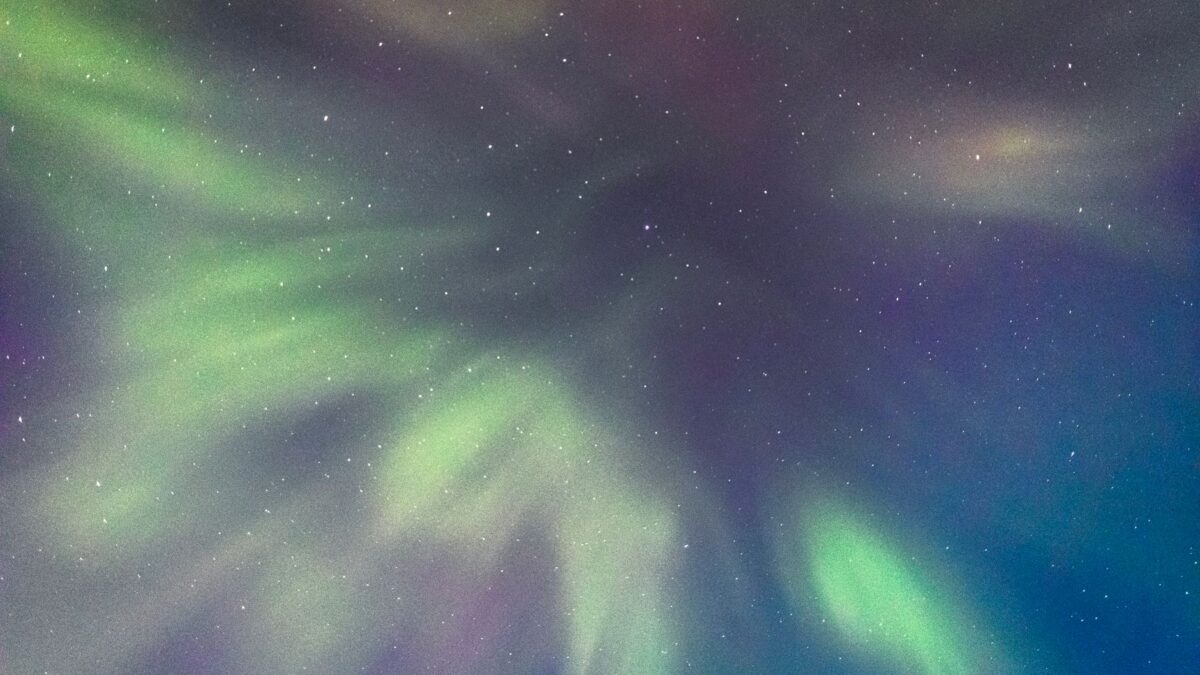
The northern lights could reach parts of up to 10 U.S. states this weekend, as NOAA has issued a G1, or minor, geomagnetic storm watch covering Nov. 6 to Nov. 8. The best odds belong to places near the Canadian border, and Alaska has the strongest chance of all.
The outlook for Friday, Nov. 6, came with two different reach estimates. A Forbes forecast put the aurora within view in the northern parts of 10 states. The National Weather Service space weather report, citing the NOAA watch, named a smaller area: northern Michigan and Maine are the places where it expects auroras may be seen at this level of activity.
What a G1 storm watch means
A geomagnetic storm happens when gusts of charged particles from the sun, called the solar wind, disturb Earth’s magnetic field. Those particles funnel toward the poles and make gases high in the atmosphere glow, which is the aurora borealis. NOAA rates these storms on a scale that starts at G1, the weakest category. A minor storm usually keeps the lights at high latitudes, so only the far northern edge of the contiguous U.S. is in play.
Forecasters also use the Kp index, a scale that measures how strongly the magnetic field is being disturbed. Higher numbers push the aurora farther south. NOAA expects the Kp index to fall to four from five late Saturday night, Nov. 7, which would shrink the area where the lights can reach.
When and where to look
The most likely window on Friday was estimated at roughly 7 p.m. to 10 p.m. ET, according to PrimeTimer’s summary of the forecasts. Space weather forecasts shift as conditions in the solar wind change, so NOAA’s Space Weather Prediction Center is the place to check for updates through the weekend.
Location matters most. People in the northernmost areas have the best chance, while anyone farther south would need unusually strong geomagnetic conditions. Viewers improve their odds by leaving city lights behind and finding a dark place with a clear, open view toward the northern horizon.
Weather is the other limit. Even a thin layer of cloud can hide a faint aurora entirely, especially for viewers near the southern edge of the visible zone. Visibility depends on both where you are and what the local sky is doing that night.
Why it matters for skywatchers
The gap between the 10-state outlook and NOAA’s more cautious guidance shows how uncertain aurora forecasts are. A watch means conditions may allow a display. Geomagnetic activity can arrive earlier, later, weaker or stronger than predicted, because the solar wind keeps changing.
With the Kp index expected to drop after Saturday night, Friday night was forecast as the stronger of the two nights, though that outlook can change.
What happens next
The NOAA watch runs through Nov. 8. Activity is expected to ease late Saturday night as the Kp index falls from five to four. Readers hoping to see the lights should follow updates from NOAA’s Space Weather Prediction Center and the National Weather Service, and watch local cloud forecasts before heading out.
Source: PRIMETIMER