Right Whale Calf Nobody Knew About Photographed in Quebec
A right whale calf unseen for most of the year turned up beside its mother in Quebec. Only about 380 of the whales are left. Here is what is known.
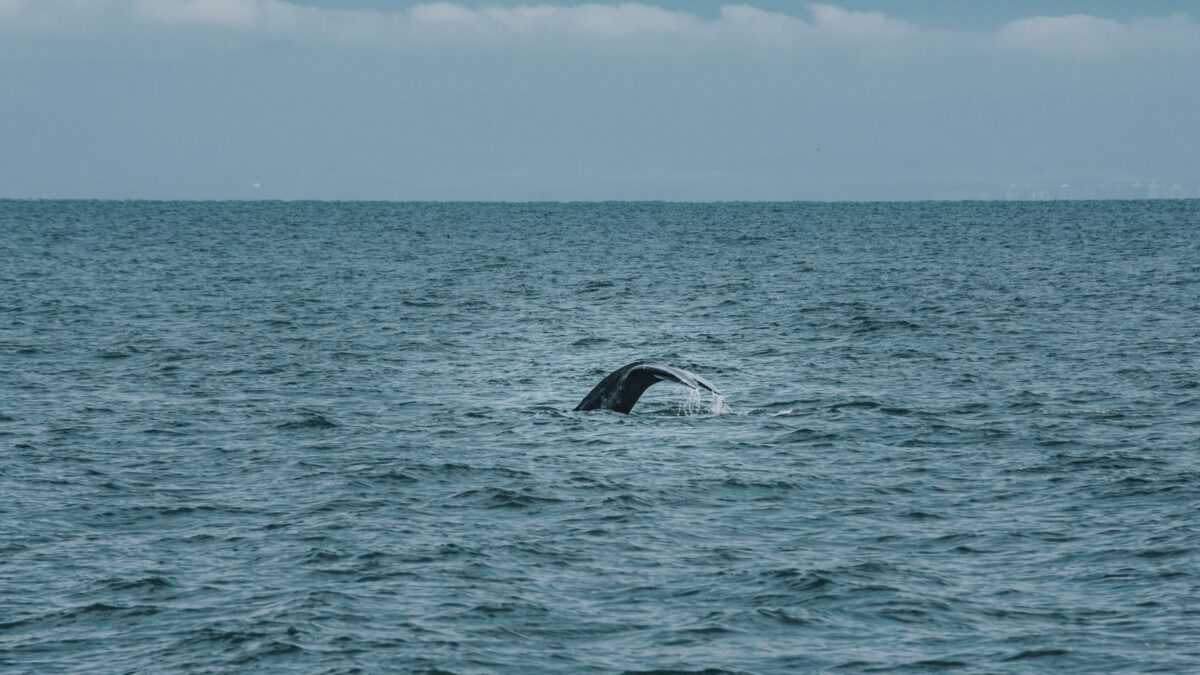
A right whale calf that was missing from every official tally has turned up alongside its mother near Anticosti Island in Quebec. Researchers took the photographs on Sept. 25, long after the usual birthing period for the species. The New England Aquarium made the find public on Nov. 2, and Yahoo reported on it in November.
With this animal, the 2025-26 season stands at 24 calves. Scientists put the whole population at about 380 individuals.
How the calf was spotted and identified
A Canadian research nonprofit, Mingan Island Cetacean Study, captured the pair on camera in the Gulf of St. Lawrence. Its staff passed the images to the aquarium, which keeps a catalog of individual right whales. Because each animal can be recognized by its markings, the catalog lets scientists match a photo to a known whale.
The team then spent several weeks going over the pictures and older records. Their conclusion was that the calf had avoided detection through the winter and for most of the year.
The mother is Silt, catalog No. 1817, who is at least 38 years old. Observers last saw her in February in the waters where females give birth, in the southeast of the United States. Researchers think she may have delivered the calf there and then headed north, but nobody has confirmed where or when it was born, and its age is unknown. Neither animal showed up in later surveys along the East Coast.
A mother with a long record
The calf is the sixth that Silt is known to have had. She is also a grandmother of three, and a great-grandchild of hers was born earlier this year. Over the years, scientists have recorded at least five entanglements in fishing gear, and the scars from them are visible on her head and tail.
Some of her offspring have died. Her oldest known calf was killed in a vessel strike in 2005. Another, called Division, died earlier in 2026 after becoming badly entangled. Researchers say they hope the youngest calf escapes the same fate.
Reading the calving totals
Females of this species generally give birth in warm southern waters between mid-November and mid-April. After that, they move with their young to feeding areas near New England and eastern Canada. Teams there track them by plane and by boat.
Accounts of this season’s ranking do not agree. Yahoo says 24 calves is the most since 2009, yet the same report also quotes NOAA Fisheries as calling it the fourth-highest total ever recorded. Counts have varied a great deal. In 2018, researchers did not document a single birth all season.
Why it matters
Right whales are critically endangered. Ship collisions and tangles in commercial fishing gear continue to threaten them. According to the report, only about 70 females are of breeding age, which means that every surviving mother and calf counts for a lot in the species’ recovery.
Adults can grow to 52 feet and weigh as much as 140,000 pounds. They have wide bodies, no dorsal fin and rough patches of skin on the head. Whalers gave them their name because they moved slowly and tended to float once dead, which made them the “right” whale to hunt.
Monitoring continues ahead of the next calving season.
Source: Yahoo