Ceuta and Melilla Eclipse Aug. 2: Totality Times and Duration
Totality on Aug. 2, 2027 lasts 4 minutes, 49 seconds in Ceuta and 4 minutes, 33 seconds in Melilla. Local start, maximum and end times for both.
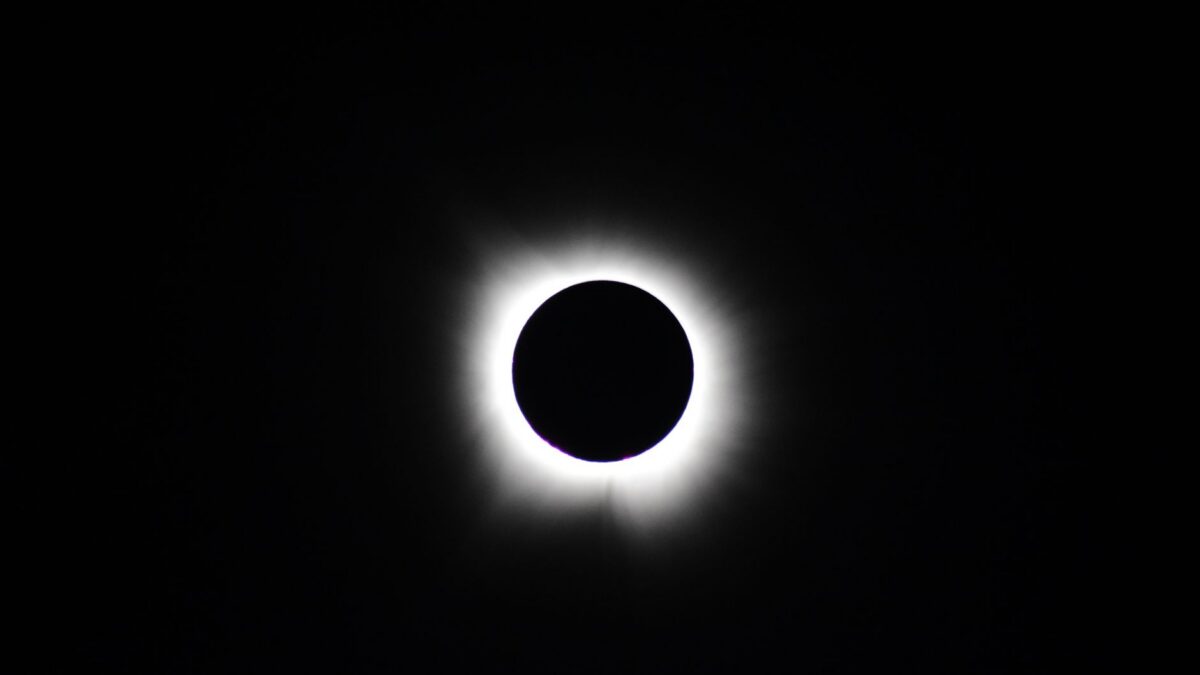
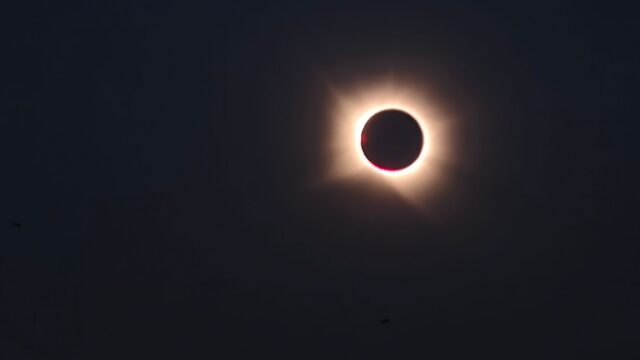
Ceuta and Melilla both lie inside the path of totality of the total solar eclipse on Monday, Aug. 2, 2027. In Ceuta the sun is fully covered for 4 minutes, 49 seconds around 10:47 local time. In Melilla totality lasts 4 minutes, 33 seconds around 10:50. The partial phase starts at 09:40 in Ceuta and 09:42 in Melilla, and the whole eclipse takes more than two hours in each city.
What time is the eclipse in Ceuta?
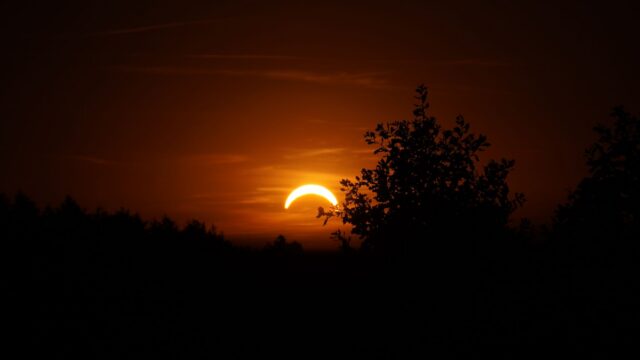
The partial eclipse begins in Ceuta at 09:40 local time, according to timeanddate’s eclipse page for Ceuta. Maximum eclipse comes at 10:47, and the moon moves off the sun’s disk at 12:01. From the first bite to the last, the eclipse lasts 2 hours, 20 minutes.
Totality is the stretch when the moon hides the sun completely. In Ceuta it lasts 4 minutes, 49 seconds, centered on the 10:47 maximum. The page gives every time in local time. In August Ceuta keeps the same clock as mainland Spain, Central European Summer Time, which runs two hours ahead of UTC. For readers in the United States, totality in Ceuta falls before dawn on the East Coast.
What time is the eclipse in Melilla?
Melilla, farther east along the North African coast, sees the partial eclipse begin at 09:42 local time, according to timeanddate’s eclipse page for Melilla. Maximum is at 10:50 and the eclipse ends at 12:05, for a total of 2 hours, 23 minutes.
Totality in Melilla lasts 4 minutes, 33 seconds. The city uses the same time zone as Ceuta, so the two sets of times can be compared directly: the moon’s shadow reaches Ceuta first and Melilla a few minutes later, and the partial phase ends later in Melilla as well.
Why is totality longer in Ceuta than in Melilla?
Totality lasts longest on the central line of the moon’s shadow and gets shorter toward the edges of the path. Both cities sit inside the path, between its northern and southern limits, but Ceuta is closer to the central line than Melilla. That is why Ceuta has the longer totality of the two.
The path table published by NASA’s Goddard Space Flight Center gives the position of the shadow at 120-second intervals in Universal Time. In the rows for 08:48 and 08:50, when the shadow is crossing this part of North Africa, the duration on the central line is 4 minutes 53.8 seconds and 4 minutes 59.1 seconds. The path is 237 km wide in the first row and 238 km wide in the second. Anyone standing on the central line at those moments would see the sun 39 and 40 degrees above the horizon, in the eastern half of the morning sky.
The shadow keeps growing as it moves east. The longest central-line duration in NASA’s table is 6 minutes 23.2 seconds, listed at 10:00 and 10:02 Universal Time, when the shadow is over Egypt. Ceuta and Melilla get less than that because the shadow reaches them earlier in its track. Our guides give the local times for Gibraltar, just across the strait from Ceuta, and for Cádiz, Málaga and Marbella on the Andalusian coast.
How do you watch the eclipse safely?
Never look directly at the sun without proper eye protection. Timeanddate warns that doing so can seriously hurt your eyes and even cause blindness. Throughout the partial phases, which make up almost all of the event, use certified eclipse glasses or a solar filter made for the purpose. Ordinary sunglasses do not protect your eyes.
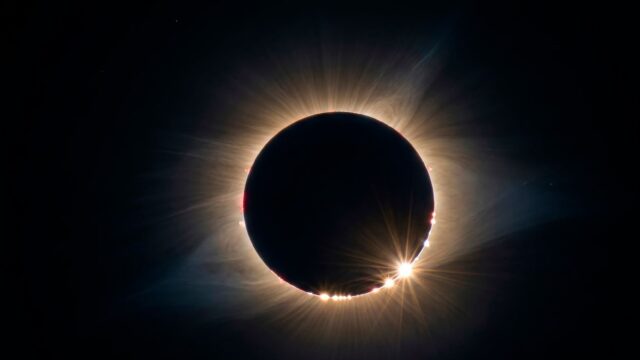
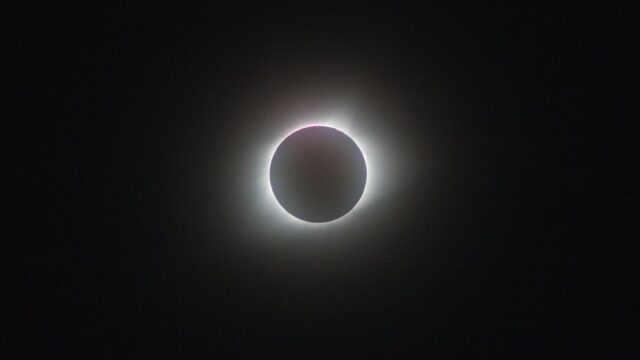
The only time it is safe to look without a filter is during totality itself, when the moon covers the sun completely and the corona, the sun’s faint outer atmosphere, becomes visible. Put the glasses back on as soon as the first bright point of sunlight returns. The same rule applies to cameras, binoculars and telescopes: they need a solar filter on the front during the partial phases.
Where should you stand, and what about the weather?
Anywhere in either city with an open view of the eastern sky will do, because the sun is well above the horizon at mid-morning. A seafront or a hilltop away from tall buildings gives the widest view of the sky darkening as the shadow arrives.
Visibility depends on your exact location and on the weather that morning. Even thin cloud or haze can hide the corona. Check the forecast from Spain’s state weather agency in the days before, and be in place before the partial phase begins so that you have time to set up. The times on timeanddate are calculated for each city, and they can shift slightly from one neighborhood to the next. For the route of the shadow across the rest of the world, see our overview of the full eclipse path and the best places to watch.
What other eclipses can Ceuta and Melilla see soon?
Timeanddate lists the same run of eclipses for both cities. A solar eclipse on Feb. 6, 2027 is annular in other parts of the world and partial from Ceuta and Melilla. A penumbral lunar eclipse follows on the night of Feb. 20 to 21, 2027. Another penumbral lunar eclipse comes on Aug. 17, 2027, about two weeks after the total solar eclipse. A partial lunar eclipse is listed for Jan. 12, 2028.
Quick answers
Is the eclipse total in both Ceuta and Melilla?
Yes. Timeanddate lists the local eclipse type as total for both cities, and both lie inside the path of the moon’s shadow in NASA’s table.
Which city has the longer totality?
Ceuta, with 4 minutes, 49 seconds. Melilla has 4 minutes, 33 seconds.
How long does the whole eclipse last?
Including the partial phases, 2 hours, 20 minutes in Ceuta (09:40 to 12:01) and 2 hours, 23 minutes in Melilla (09:42 to 12:05), all in local time.
When does it get dark?
The sky darkens for totality around the moment of maximum eclipse: 10:47 in Ceuta and 10:50 in Melilla.
Checked against official sources in November 2026. Hours, prices and rules change: confirm on the official page before you go or apply.