Unused Alpine Stone Axe Found at Neolithic Hot Spring in Tuscany
An unused eclogite axe from the western Alps was found in a cave at a Tuscan thermal spring used in the 5th millennium BC, possibly as a ritual offering.
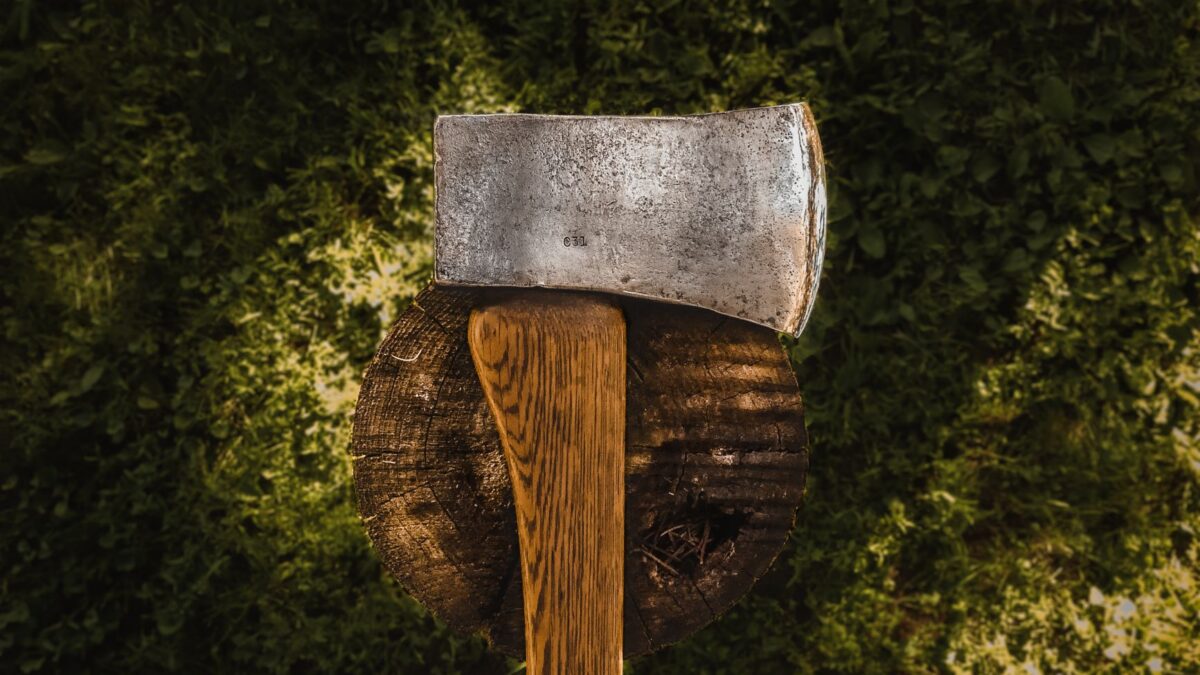
Archaeologists digging at an ancient hot spring in Tuscany have found a small polished axe made of eclogite, a green rock that almost certainly came from the western Alps, hundreds of kilometres to the north. The blade still has its original sharp edge and no sign of wear, so the axe seems never to have been used.
The find, reported by HeritageDaily, came from a travertine cave at the Terme di Sorano in the province of Grosseto. Radiocarbon dates show people were coming to the spring by the middle of the 5th millennium BC, and the excavation director thinks the axe may have been left there on purpose as an offering.
How the stone was traced to the Alps
Pasquino Pallecchi, working at the diagnostic laboratory of the Florence heritage authorities, examined the axe under the microscope and identified the stone as eclogite. That rock is distinctive. In Neolithic times people collected it in the western Alps, both from high mountain outcrops and from river and glacial deposits. Either the finished axe or the raw stone had to travel a long way to reach central Italy.
Polished axes of eclogite and jadeite moved across Europe for thousands of years during the Neolithic, the period when farming spread across the continent. Some were working tools. Others seem to have been prized objects with little practical role. Axes like this one turn up relatively rarely in Tuscany.
A cave built around a spring
The excavated cave covers about 320 square metres and formed inside a travertine deposit, a type of limestone that builds up around mineral springs. Earlier work located the spot where the thermal water once came out of the rock. Visitors entered through an opening cut into the rock with several steps, and the team has found stone structures made by people inside. Their age and purpose are still being studied.
The dig has produced fewer pots and stone tools than its size would suggest. The researchers read this as a sign that nobody lived in the cave year-round and that it was used for something tied to the spring. The pottery is mostly broken pieces of coarse and semi-refined vessels, a few with raised decoration. The stone finds are flint and jasper cores plus debris left from toolmaking. Both sets of material fit a Neolithic date.
What it means for the ritual idea
Excavation director Stefano Giuntoli argues that the axe’s condition, its costly material and the place it was found point to a symbolic object. Elsewhere in Neolithic Europe, fine polished axes have come from high-status graves and from sites read as places of ritual, and some were placed in watery spots such as springs, wetlands and waterfalls. An unused axe beside a spring flowing straight out of the rock fits that pattern.
The evidence has limits. How the axe actually ended up in the cave is unknown, and the ritual reading is an interpretation of its context, not something the find proves on its own.
Animal bones and open questions
Animal remains may help explain what went on at the spring. Most belong to domestic animals, mainly cattle, pigs and sheep, with some horse-family animals and canids. Deer, roe deer and fox appear in smaller numbers. Several of the cattle died young or not yet fully grown. The team has not yet worked out whether the bones come from rituals or from ordinary meals and herding.
The work runs under a concession from Italy’s Ministry of Culture, with specialists studying the site’s archaeology, geology, environment and animal bones. The cave and its structures are being recorded in three dimensions with photogrammetry. The next questions are when the stone structures were built, what they were for, and how the pottery, tools and bones relate to the use of the hot water.
Source: HeritageDaily