Perseverance Finds Bright Hydrated Silica Rocks Outside Jezero Crater
NASA's Perseverance rover confirmed that pale rocks at Idubi on Mars are rich in hydrated silica, a mineral that can preserve microfossils on Earth.
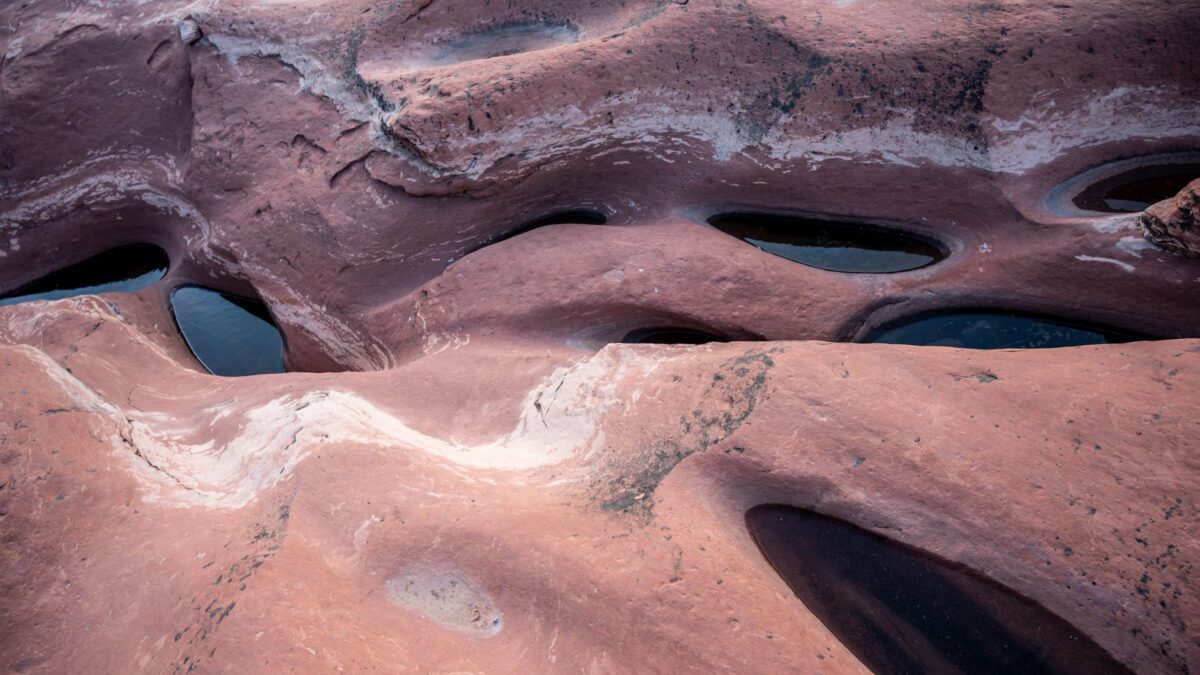
A cluster of unusually bright rocks on Mars turned out to be rich in hydrated silica, a mineral that forms in water and can preserve microscopic fossils, according to a NASA mission update published Nov. 16. NASA’s Perseverance rover found the pale fragments at a site called “Idubi,” in the “Lac de Charmes” region outside Jezero crater, and the team has started a close-up study of them.
The finding came from new data sent back by the rover’s SuperCam instrument. It showed that the light-toned rocks did not form from cooling lava, as most rocks in the area did.
Pale rocks on a dark surface
Idubi is a patch of ancient Martian crust. Most of the ground there is dark and often covered in dust. The bright fragments stood out against it, and they looked lighter even than the volcanic rocks and the impact-formed rocks the rover had examined earlier, wrote Candice Bedford, a research scientist at Purdue University, in the NASA update.
The team suspected the pale rocks were something different and sent the rover to look. SuperCam’s readings confirmed that they are not igneous, the term for rock that hardens from molten material, and that they contain a lot of hydrated silica.
What hydrated silica says about water
On Earth, hydrated silica forms in several watery settings: hot springs and other hydrothermal systems, soils, and groundwater. Bedford noted that some of those environments could have supported life, which makes silica deposits useful for reconstructing the history of water on Mars.
The mineral also matters because of what it can keep. On Earth, silica is known for preserving microfossils, the tiny remains of microbes, in fine detail. If any microbes ever lived in the Martian water that left these rocks behind, silica is one of the materials most likely to have recorded them. The NASA update raises that possibility as a question; nothing in the new data shows signs of life.
Why it matters for the hunt for ancient life
Perseverance has seen silica-rich rocks before, on the inner rim of Jezero crater. Those deposits were too small for the rover to use its close-range instruments, the ones that must be placed against a rock to collect detailed chemical and mineral data. Without that data, the team could not pin down how the deposits formed or how well they might preserve signs of past life.
The rocks at Idubi are large enough for that kind of work. That gives scientists a better chance to tell which kind of water system produced the silica (hot, shallow or underground) and whether the rock is a good place to look for chemical traces of ancient biology.
What happens next
NASA said a detailed close-range science campaign at Idubi is already underway. Results from those instruments will show more about the rocks’ chemistry and minerals than SuperCam’s readings from a distance could.
Source: NASA